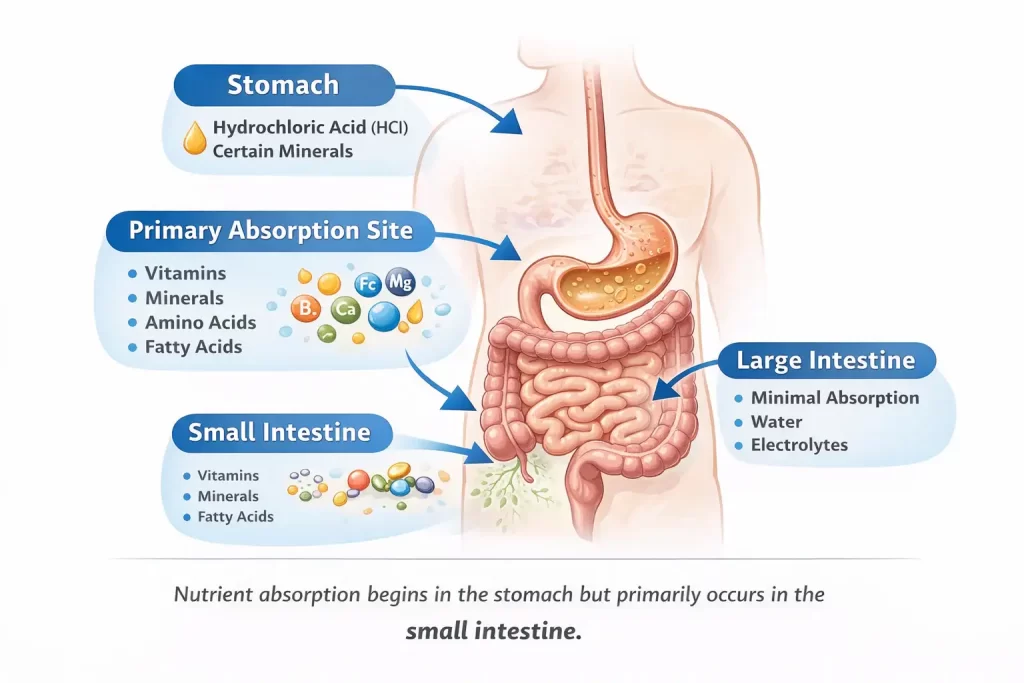
Maintaining a healthy lifestyle often includes eating well, exercising regularly, and taking supplements. But here’s the key insight: taking vitamins and minerals isn’t enough—your body must absorb them effectively.
Even the highest-quality supplements vitamins and minerals can go to waste if your body cannot utilize them properly. Fortunately, simple changes in diet, timing, and habits can significantly improve vitamin absorption and overall health.
Let’s explore 12 smart, practical strategies to help your body get vitamins and minerals the most out of every nutrient.
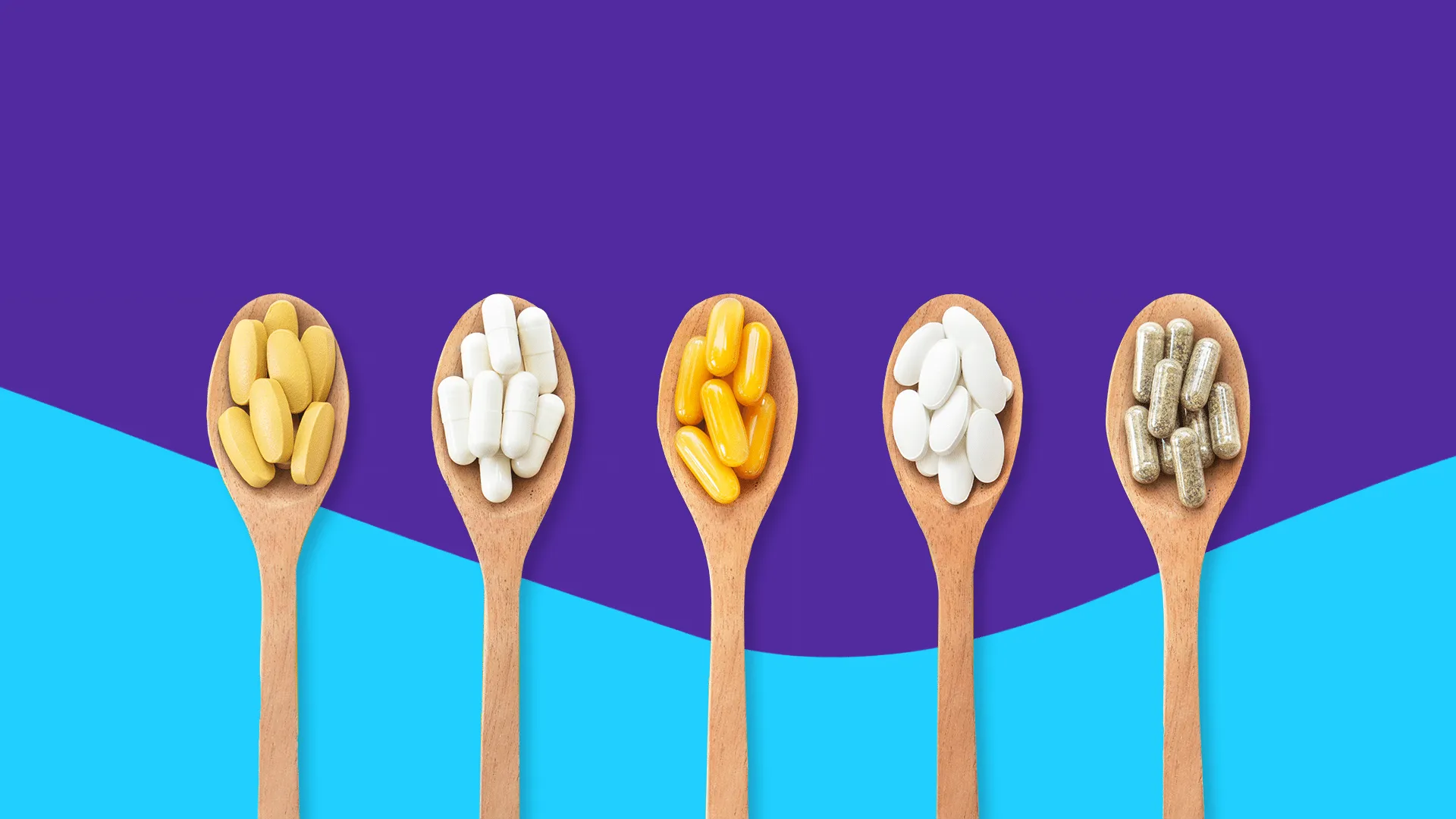
1. Understand Fat-Soluble vs. Water-Soluble Vitamins
Vitamins fall into two categories:
- Fat-soluble: Vitamins A, D, E, K
- Water-soluble: Vitamin C and B-complex vitamins
Fat-soluble vitamins are stored in the body and require dietary fat for absorption, while water-soluble vitamins dissolve in water and are excreted if not used.
👉 Tip: Bright yellow urine after taking supplements usually indicates excess water-soluble vitamins being excreted.
2. Take Fat-Soluble Vitamins with Healthy Fats
To maximize absorption of vitamins A, D, E, and K:
- Pair them with foods like:
- Avocado
- Olive oil
- Nuts and seeds
- Full-fat dairy
This simple habit can increase vitamin D absorption by up to 30%+.
3. Take Most Vitamins with Meals
Eating stimulates digestive enzymes, improving nutrient absorption.
✔ Best practice:
- Take most vitamins with meals
- Avoid taking supplements on an empty stomach (except specific cases)
⚠️ Exception: Iron is best absorbed on an empty stomach.
4. Be Careful with Medication Interactions
Certain supplements can interfere with medications.
Examples:
- Calcium can reduce thyroid medication absorption
- Some supplements may increase or decrease drug effectiveness
👉 Always consult a healthcare professional if you take medications regularly.
5. Combine Vitamins And Minerals That Work Together
Some nutrients enhance each other:
- Vitamin D + Calcium → Stronger bones
- Vitamin K + Calcium → Better calcium utilization
- Vitamin C + Iron → Increased iron absorption
Smart combinations = better results.
6. Separate Nutrients That Compete
Some nutrients block each other:
- Calcium vs. Iron → Compete for absorption
👉 Solution:
- Take calcium with meals
- Take iron separately (2–3 hours apart)
7. Avoid Grapefruit Juice with Supplements
Grapefruit juice can:
- Interfere with absorption
- Increase potency of certain substances
- Cause unwanted side effects
👉 Best to avoid it when taking supplements or medications.
8. Test Your Nutrient Levels
A blood test can reveal deficiencies such as:
- Iron
- Vitamin D
- Vitamin B12
This helps you avoid unnecessary supplements and focus on what your body actually needs.
9. Support Gut Health with Probiotics
A healthy gut = better absorption.
Consider adding:
- Probiotics
- Digestive enzymes
These help:
- Break down food
- Improve nutrient uptake
- Support overall digestion
10. Store Vitamins Properly
Improper storage can reduce potency.
✔ Store supplements:
- In a cool, dark place
- In airtight containers
⚠️ Heat, light, and air can degrade nutrients—especially omega-3s.
11. Take Vitamins at the Right Time
Timing matters:
- Morning: B vitamins (energy boost)
- Evening: Magnesium (relaxation and sleep support)
👉 Align supplements with your body’s natural rhythms for best results.
12. Watch Your Caffeine Intake
Caffeine can reduce absorption by:
- Acting as a diuretic
- Causing loss of water-soluble vitamins
👉 Tip:
Wait at least 1 hour after coffee before taking supplements.
13. Benefits of Better Vitamin Absorption
Improving absorption can help:
- Boost immunity
- Increase energy levels
- Support brain function
- Improve bone and heart health
- Enhance overall wellness
14. FAQs
14.1. Why am I not absorbing vitamins properly?
Poor absorption can be caused by digestive issues, poor diet, medication interactions, or incorrect supplement timing.
14.2. Should I take all vitamins together?
No. Some vitamins work well together, while others compete. It’s important to separate certain nutrients like calcium and iron.
14.3. Is it better to take vitamins in the morning or at night?
It depends on the type. Energy-boosting vitamins are best in the morning, while calming ones like magnesium are better at night.
14.4. Do probiotics really help with absorption?
Yes. A healthy gut microbiome improves digestion and helps your body absorb nutrients more efficiently.
14.5. Can coffee affect vitamin absorption?
Yes. Caffeine can reduce absorption and increase nutrient loss, especially for water-soluble vitamins.
15. Conclusion
Taking vitamins and minerals is only half the equation—absorbing them is what truly matters.
By applying these 12 smart strategies—such as pairing vitamins and mineralsnutrients correctly, timing your intake, and supporting gut health—you can maximize the benefits of your supplements and improve your overall well-being.
👉 Small daily changes can make a big difference in how your body uses essential nutrients.