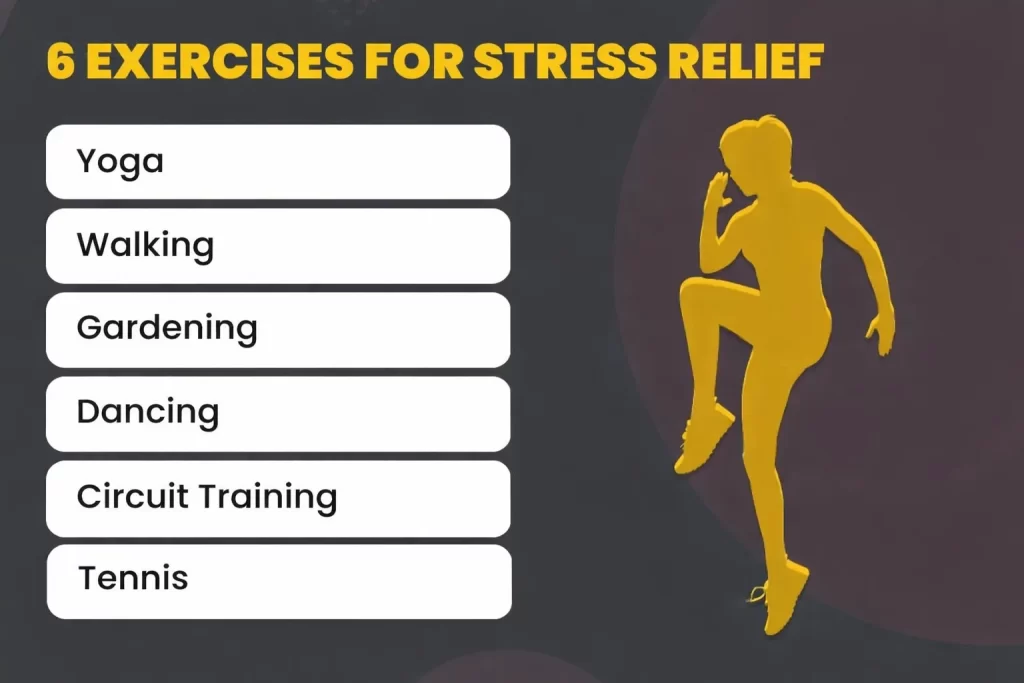
Exercise is one of the most effective and natural ways to manage stress. Whether it’s a quick walk, a yoga session, or a high-intensity workout, physical activity helps your body and mind reset.
Even if you’re busy or not physically fit, incorporating movement into your daily routine can significantly improve how you handle stress.
1. How Exercise Reduces Stress
1.1. Boosts Endorphins (Feel-Good Hormones)
Physical activity stimulates the release of endorphins—chemicals in the brain that improve mood and reduce pain. This effect is often referred to as the “runner’s high.”
Activities like tennis, walking in nature, or cycling can trigger this positive feeling.
1.2. Reduces the Negative Effects of Stress
Exercise helps regulate the body’s stress response, including the “fight-or-flight” reaction. Over time, this can:
- Lower resting heart rate
- Reduce blood pressure
- Improve immune function
- Protect against long-term stress damage
1.3. Acts as Meditation in Motion
During exercise, your focus shifts to movement and breathing. This helps:
- Clear your mind
- Reduce overthinking
- Improve concentration
Regular movement can bring a sense of calm and mental clarity.
1.4. Improves Mood and Sleep
Exercising regularly can:
- Increase self-confidence
- Reduce symptoms of anxiety and depression
- Improve sleep quality
Better sleep and mood directly contribute to lower stress levels.
2. Benefits of Exercise for Mental Health
Making exercise part of your routine can:
- Boost energy and productivity
- Enhance emotional resilience
- Improve focus and decision-making
- Support long-term mental well-being
3. How to Start an Exercise Routine
3.1. Talk to a Healthcare Professional
If you haven’t exercised in a while or have health concerns, consult a professional before starting.
3.2. Start Slow and Build Gradually
Avoid overtraining. Begin with light activities and increase intensity over time.
3.3. Follow Recommended Activity Levels
Most adults should aim for:
- 150 minutes of moderate aerobic activity per week
- OR 75 minutes of vigorous activity
Examples include:
- Brisk walking
- Cycling
- Swimming
- Running
For additional benefits, aim for 300 minutes per week and include strength training at least twice weekly.
3.4. Choose Activities You Enjoy
You’re more likely to stay consistent if you enjoy what you do:
- Walking or jogging
- Dancing
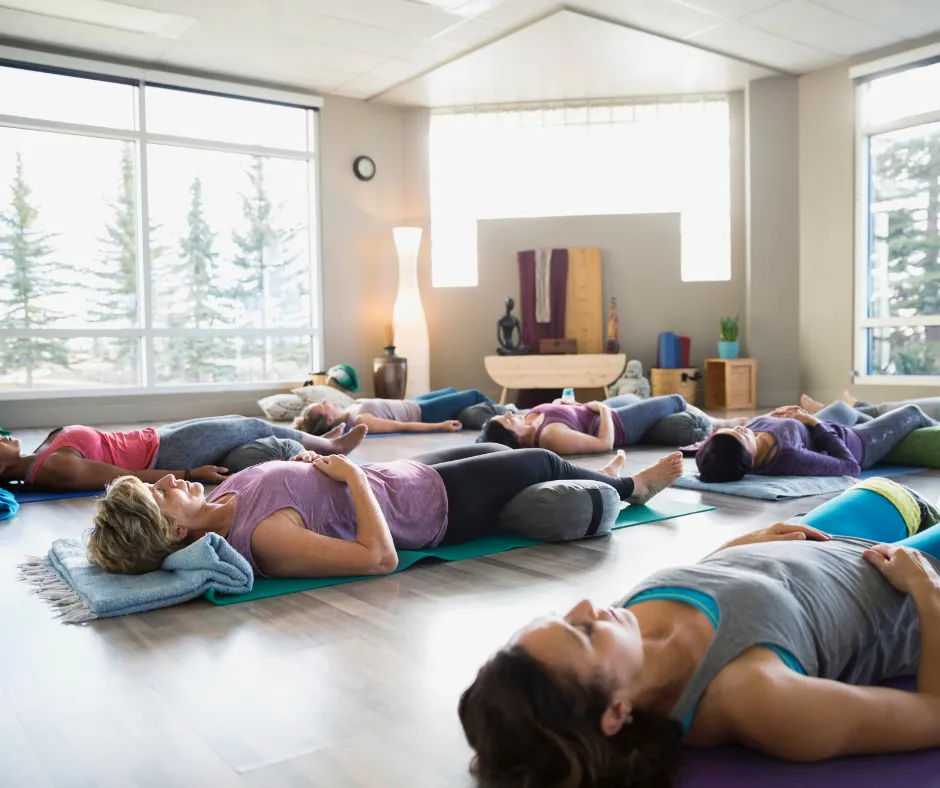
- Yoga or tai chi
- Weight training
- Gardening
👉 You don’t need a gym—home workouts work just as well.
3.5. Schedule Your Workouts
Treat exercise like an important appointment. Add it to your calendar to stay consistent.
4. Tips to Stay Consistent
4.1. Set SMART Goals
Create goals that are:
- Specific
- Measurable
- Achievable
- Realistic
- Time-bound
Example: Walk for 30 minutes during lunch, 3 times a week.
4.2. Find a Workout Partner
Exercising with friends or family increases motivation and accountability.
4.3. Mix Up Your Routine
Try new activities like Pilates or yoga to avoid boredom and improve results.
4.4. Exercise in Short Bursts
Short workouts still count:
- 10-minute walks
- Quick stretching breaks
- Bodyweight exercises
You can also try interval training—short bursts of intense activity followed by rest.
5. FAQs About Exercise and Stress
5.1. How does exercise reduce stress?
Exercise releases endorphins, improves mood, and helps regulate your body’s stress response.
5.2. What type of exercise is best for stress relief?
Any form works. Popular options include walking, yoga, running, and swimming.
5.3. How often should I exercise to reduce stress?
Aim for at least 150 minutes of moderate activity per week for noticeable benefits.
5.4. Can short workouts really help with stress?
Yes. Even 10-minute sessions can improve mood and reduce stress levels.
5.5. Do I need a gym to reduce stress with exercise?
No. You can exercise at home, outdoors, or anywhere convenient.
5. Conclusion
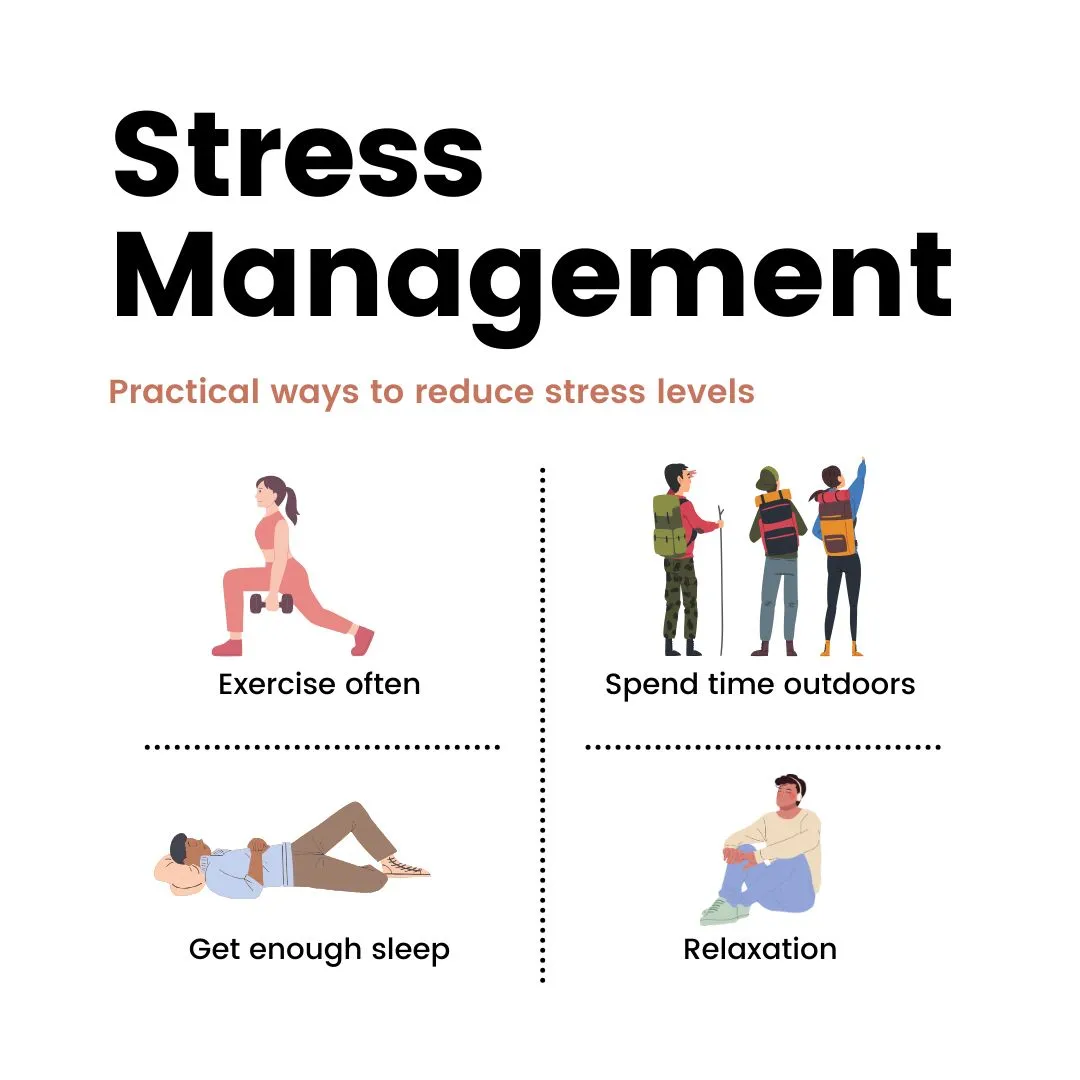
Exercise is a powerful, accessible tool for managing stress and improving overall well-being.
The key is consistency—not intensity.
Start small, choose activities you enjoy, and make movement a regular part of your lifestyle. Over time, you’ll notice better mood, improved energy, and a healthier response to stress.