
In today’s digital era, smartphone dependence are indispensable tools for communication, work, and entertainment. With access to social media, video streaming, and real-time information, smartphone dependence have significantly enhanced daily life.
However, this convenience comes at a cost. The increasing reliance on smartphones has led to a phenomenon often described as “smartphone addiction” or “problematic mobile phone use.” Many individuals now use their phones constantly—while eating, commuting, or even before sleep—leading to potential health risks.
1. What Is Smartphone Dependence?
Smartphone dependence is a behavioral addiction characterized by:
- Compulsive and excessive phone use
- Difficulty controlling screen time
- Emotional reliance on digital interaction
This condition shares similarities with substance smartphone dependence particularly in how it activates the brain’s reward system through dopamine signaling.

2. Key Health Impacts of Smartphone Overuse
2.1 Dopamine Addiction and Brain Effects
Smartphones stimulate the brain’s reward system by triggering dopamine release whenever users receive notifications, messages, or new content.
Effects:
- Increased impulsivity
- Reduced attention span
- Compulsive checking behavior
Over time, this weakens self-control and reinforces addictive patterns.
2.2 Poor Sleep Quality
Excessive smartphone use—especially at night—can severely disrupt sleep.
Causes:
- Blue light suppresses melatonin production
- Continuous stimulation delays sleep onset
- Nighttime notifications interrupt rest
Consequences:
- Fatigue and low productivity
- Impaired memory and concentration
- Increased stress levels
2.3 Depression and Anxiety
Numerous studies link high screen time with increased risk of Depression and anxiety.
Key factors:
- Reduced real-life social interaction
- Negative social comparison on social media
- Sleep deprivation
Importantly, the relationship is bidirectional:
- Smartphone overuse can worsen depression
- Depression can increase smartphone dependence
2.4 Physical Health Problems
Long-term smartphone use can lead to physical discomfort and health issues.
Common problems:
- Neck and shoulder pain (“text neck”)
- Eye strain and reduced vision
- Poor posture and musculoskeletal disorders
Even short periods (15–30 minutes) of continuous use can trigger discomfort.
3. How to Reduce Smartphone Dependence
3.1 Control Smartphone Usage
- Set clear goals before using your phone
- Limit screen time and avoid unnecessary scrolling
- Keep devices away before bedtime
3.2 Strengthen Self-Control
Improving self-regulation helps reduce impulsive behavior.
Effective methods:
- Mindfulness and meditation
- Healthy sleep habits
- Building structured daily routines
3.3 Engage in Physical Exercise
Regular exercise improves both mental and physical health.
Benefits:
- Enhances focus and brain function
- Reduces anxiety and stress
- Helps break phone dependency habits
Activities like walking, running, or yoga can significantly improve well-being.
3.4 Psychological and Medical Support
In severe cases, professional interventions may help:
- Cognitive Behavioral Therapy (CBT)
- Motivational counseling
- Medical treatments under supervision

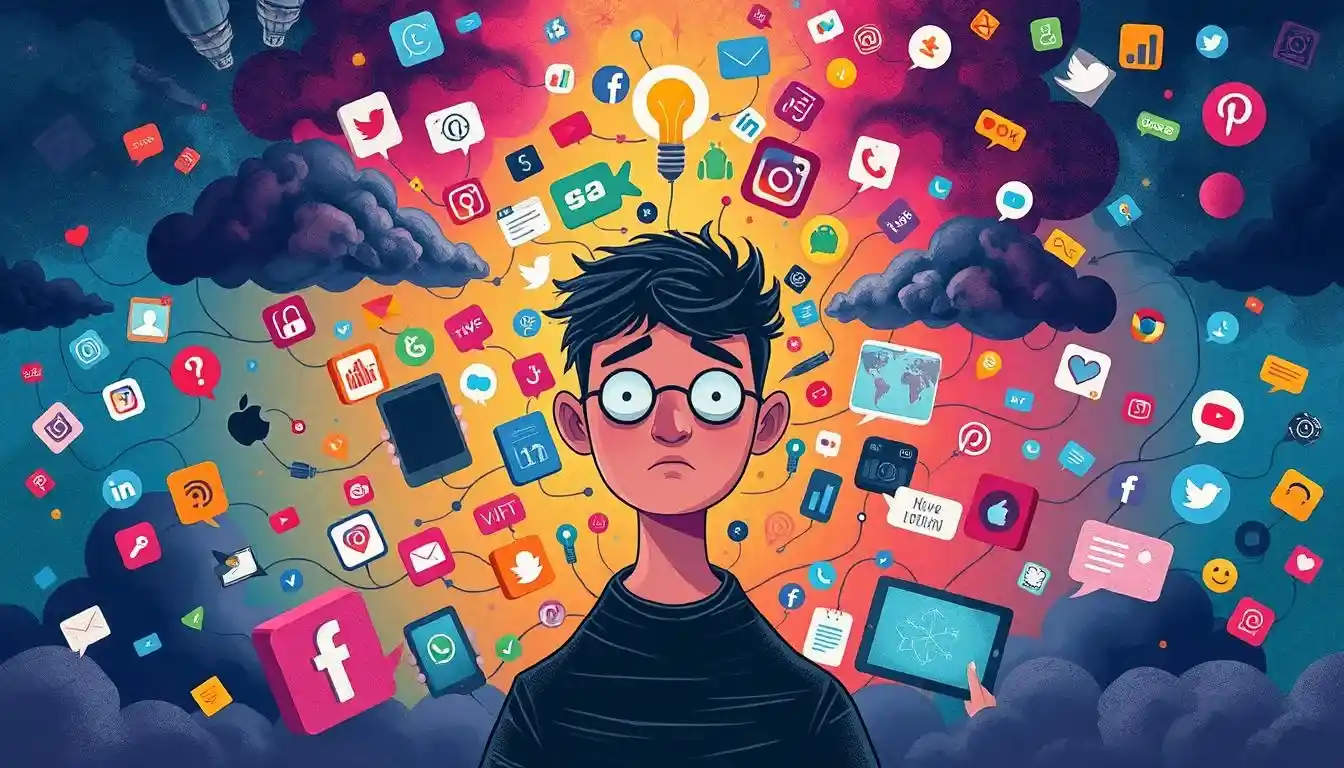
smartphone-dependence-and-its-influence-on-physical-and-mental-health
4. Conclusion
Smartphones are powerful tools that enhance modern life, but excessive use can significantly harm physical and mental health. From disrupted sleep and reduced attention to increased anxiety and depression, the impact of smartphone dependence is far-reaching.
By adopting healthier digital habits—such as limiting screen time, improving self-control, and staying physically active—individuals can regain balance and protect their well-being. Ultimately, mindful smartphone use is key to maintaining a healthy lifestyle in the digital age.