
FOMO is a psychological response to perceived missed opportunities. Social media amplifies comparison and dissatisfaction. Mindfulness, boundaries, and self-awareness can reduce FOMO effectively.
1. What Is FOMO?
FOMO (Fear of Missing Out) is the anxious feeling that others are experiencing something rewarding without you. It creates a sense of being left behind, excluded, or missing valuable opportunities.
While this feeling has always existed, today’s digital world intensifies it—constant updates, notifications, and curated content make it easier than ever to compare your life with others.

2. Common Signs of FOMO
You may be experiencing FOMO if you:
- Constantly check social media for updates
- Feel others are living more exciting lives
- Say “yes” to everything to avoid missing out
- Compare your reality to others’ highlight reels
Left unmanaged, these patterns can lead to stress, dissatisfaction, and burnout.
3. Why Does FOMO Happen?
3.1. Social Comparison
Humans naturally compare themselves to others. Social media amplifies this by showing idealized versions of life, not reality.
3.2. Evolutionary Instinct
Historically, being excluded from a group meant danger. Today, your brain still interprets exclusion as a threat, triggering anxiety.
3.3. Scarcity Mindset
FOMO is fueled by the belief that opportunities are limited—if you miss one, it’s gone forever.
3.4. Constant Digital Connectivity
Smartphones remove boundaries, exposing you to others’ lives 24/7, increasing comparison and pressure.
4. The Emotional Impact of FOMO
FOMO can negatively affect your mental well-being:
- Anxiety: Worrying about missing out
- Burnout: Overcommitting to activities
- Low satisfaction: Feeling your life isn’t enough
- Lack of presence: Difficulty enjoying the moment
5. How to Recognize FOMO in Your Life
Ask yourself:
- Do you regret declining invitations even when needed?
- Do you feel pressure to keep up with trends online?
- Do you struggle to relax because you might miss something?
If yes, FOMO may be influencing your daily decisions.
6. 6 Proven Strategies to Overcome FOMO
6.1. Redefine What Fulfillment Means
Focus on your own values instead of external validation.
6.2. Practice Gratitude
Write down 3 things you’re grateful for daily to shift your mindset.
6.3. Set Social Media Boundaries
- Limit screen time
- Unfollow triggering accounts
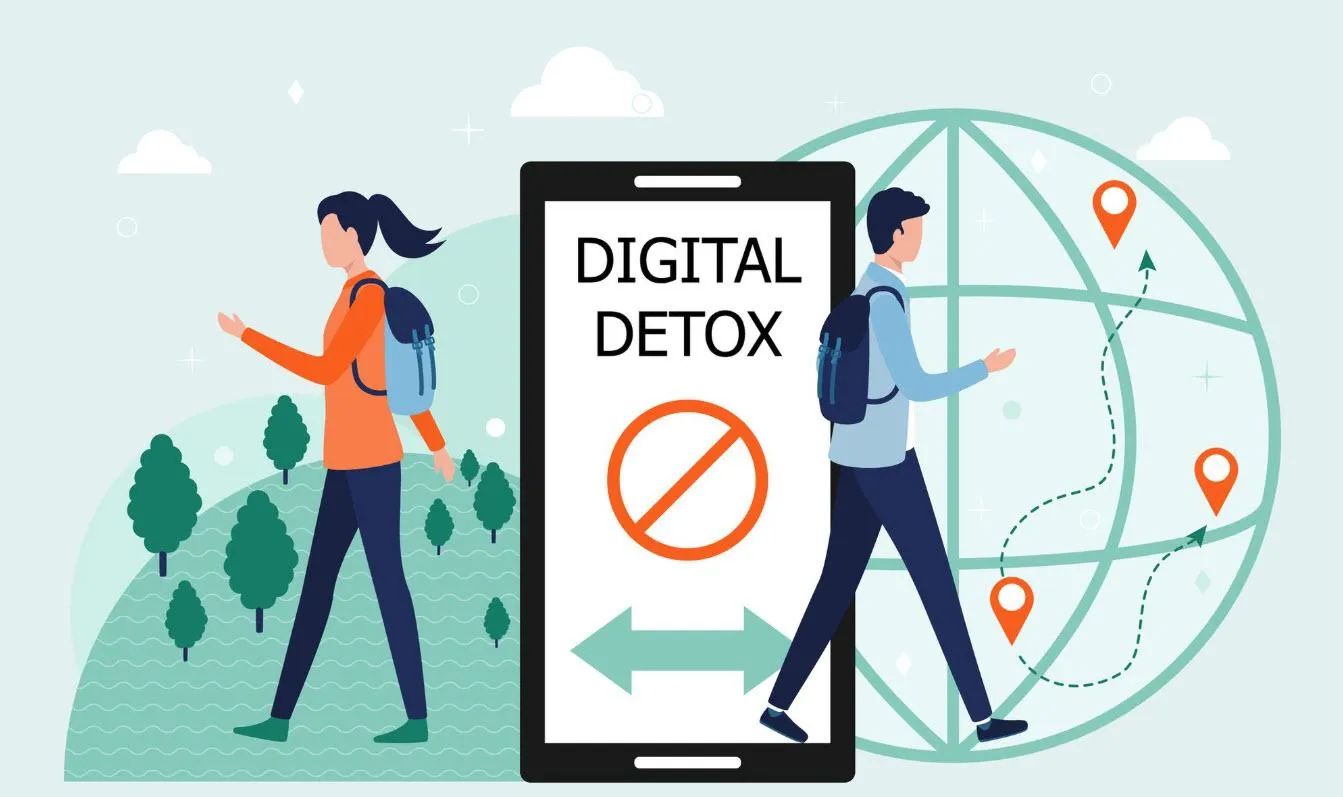
- Create phone-free periods
6.4. Learn to Say No
Protect your time and energy without guilt.
6.5. Practice Mindfulness
Stay present through meditation or simple awareness exercises.
6.6. Embrace JOMO (Joy of Missing Out)
Find peace in not doing everything. Rest and simplicity are powerful.
7. When FOMO Becomes a Problem
If FOMO:
- Controls your decisions
- Causes constant stress
- Impacts your emotional health
It may be helpful to seek support from a mental health professional.
8. Building a Healthier Relationship with Yourself
At its core, FOMO is about self-trust.
When you:
- Understand your priorities
- Accept your choices
- Practice self-compassion
You reduce the power FOMO has over your life.
9. Conclusion
FOMO is a common experience in today’s connected world—but it doesn’t have to control you.
By understanding its causes and applying mindful strategies, you can:
- Reclaim your time
- Reduce anxiety
- Build a more fulfilling life
👉 Instead of worrying about what you’re missing, focus on what you’re creating and experiencing right now.