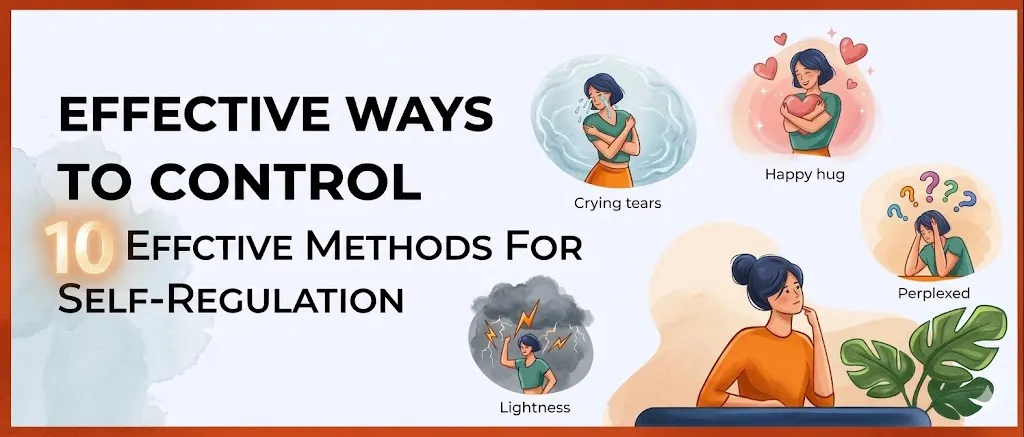
Learn how to control emotions your emotions effectively without suppressing them. Discover 10 powerful techniques to improve emotional intelligence, reduce stress, and enhance mental health and control emotions
Emotions shape how you think, act, and connect with others. Learning how to control your emotions is not about suppressing feelings—it’s about understanding, managing, and expressing them in a healthy way.
Strong emotional awareness can improve:
- Decision-making
- Relationships
- Stress management
- Overall mental health
When you master your emotions, you take control of your life.
1. Why Emotional Control Is Important
Emotions are essential signals that guide your behavior. However, when they become overwhelming, they can negatively impact:
- Relationships and communication
- Work and productivity
- Physical and mental well-being
The goal is not to eliminate emotions, but to regulate them effectively.
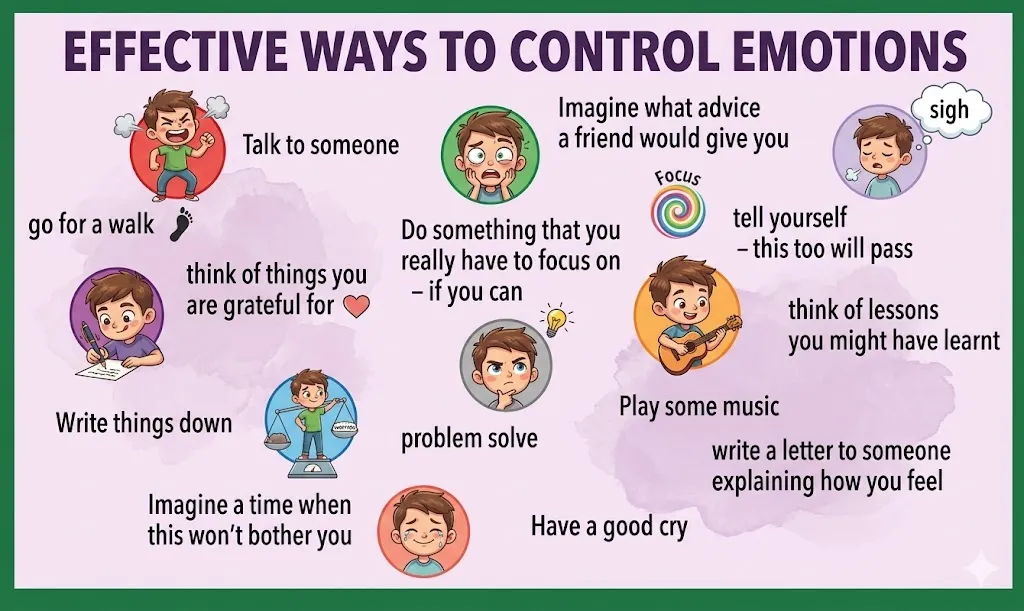
2. 10 Powerful Ways to Become the Boss of Your Emotions
2.1. Consider the Impact of Your Emotions
Before reacting, take a moment to reflect:
- How are your emotions affecting your behavior?
- Are they harming your relationships or decisions?
Awareness is the first step to emotional control.
2.2. Regulate, Don’t Suppress
2.2.1. Suppressing emotions can lead to:
- Anxiety and depression
- Sleep problems
- Physical tension
2.2.2. Instead, aim for emotional regulation, which means:
- Acknowledging feelings
- Responding calmly
- Maintaining balance
Healthy emotions are expressed, not buried.
2.3. Name Your Feelings
Identifying your emotions helps reduce their intensity.
Ask yourself:
- What am I feeling right now?
- Why do I feel this way?
Labeling emotions like anger, sadness, or frustration gives you clarity and control emotions
2.4. Accept Your Emotions
All emotions are valid—even uncomfortable ones.
Instead of saying:
❌ “I shouldn’t feel this way”
Try:
✔ “I feel this, and it’s okay”
Acceptance reduces emotional resistance and increases inner peace.
2.5. Keep a Journal
Writing down your thoughts helps you:
- Identify emotional triggers
- Understand patterns
- Reflect on reactions
Journaling is a powerful tool for self-awareness and emotional growth.
2.6. Practice Deep Breathing
When emotions rise, your breath can calm your mind.
Simple Technique:
- Inhale slowly (4 seconds)
- Hold (3 seconds)
- Exhale slowly
Deep breathing helps you pause before reacting.
2.7. Read the Room
Not every situation is appropriate for emotional expression.
Learn to:
- Adjust your reactions
- Choose the right time and place
Emotional intelligence includes social awareness.
2.8. Get Some Space
Distance helps you regain control.
You can:
- Take a walk
- Step away from conflict
- Distract yourself temporarily
Space creates room for clear thinking.
2.9. Manage Stress Effectively
High stress makes emotions harder to control.
Healthy stress management:
- Exercise regularly
- Sleep well
- Spend time in nature
- Practice mindfulness
Lower stress = better emotional stability.
2.10. Try Therapy
If emotions feel overwhelming, professional help can make a big difference.
Therapy helps you:
- Understand emotional triggers
- Build coping strategies
- Improve mental health
Seeking help is a sign of strength, not weakness.
3. Key Takeaways
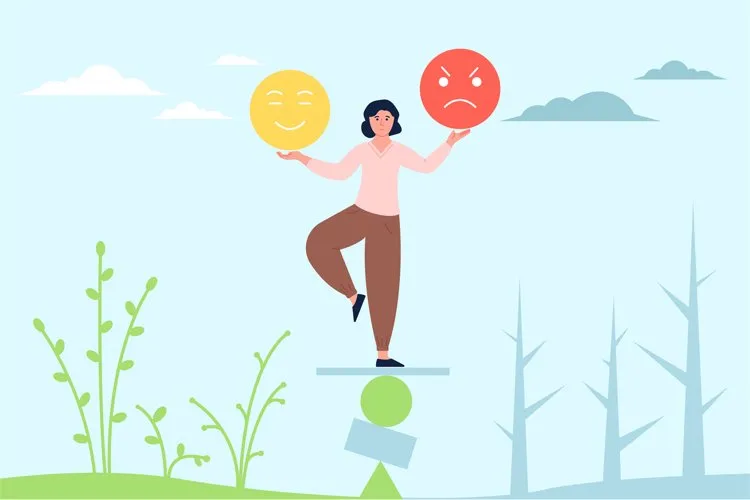
- Emotions are essential but need regulation
- Don’t suppress—understand and manage
- Self-awareness is the foundation of control
- Healthy habits improve emotional balance
- Professional support can accelerate progress
4. Conclusion
Becoming the boss of your control emotions is a lifelong skill that improves every area of your life.
With practice, you can:
Respond calmly instead of reacting impulsively
Build stronger relationships
Reduce stress and anxiety
Improve your overall well-being
Remember: You don’t control emotions what you feel—but you can control emotions how you respond.