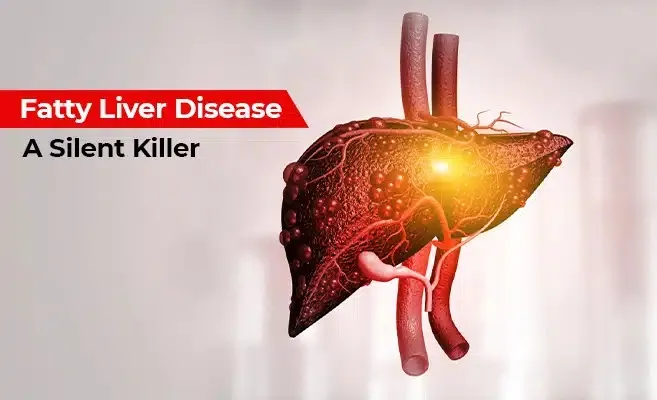
Fatty Liver Disease is a growing global health concern affecting millions of people. Often referred to as a “silent killer,” this condition can progress without noticeable symptoms until severe liver damage occurs.
While alcohol consumption is a well-known cause, modern lifestyle factors such as obesity, poor diet, and lack of physical activity have led to a rise in non-alcoholic fatty liver disease (NAFLD).
In this guide, we’ll explore the symptoms, causes, treatment options, and prevention strategies to help you protect your liver health.
1. What Is Fatty Liver Disease?
Fatty liver disease, also known as hepatic steatosis, occurs when excess fat accumulates in liver cells.
- A small amount of fat in the liver is normal
- Too much fat → inflammation → liver damage
- Long-term damage → scarring (cirrhosis) → liver failureTypes of Fatty Liver Disease
- Alcoholic Fatty Liver Disease (AFLD)
- Caused by excessive alcohol consumption
- Non-Alcoholic Fatty Liver Disease (NAFLD)
- Occurs without alcohol use
- Linked to metabolic conditions
2. Symptoms of Fatty Liver Disease
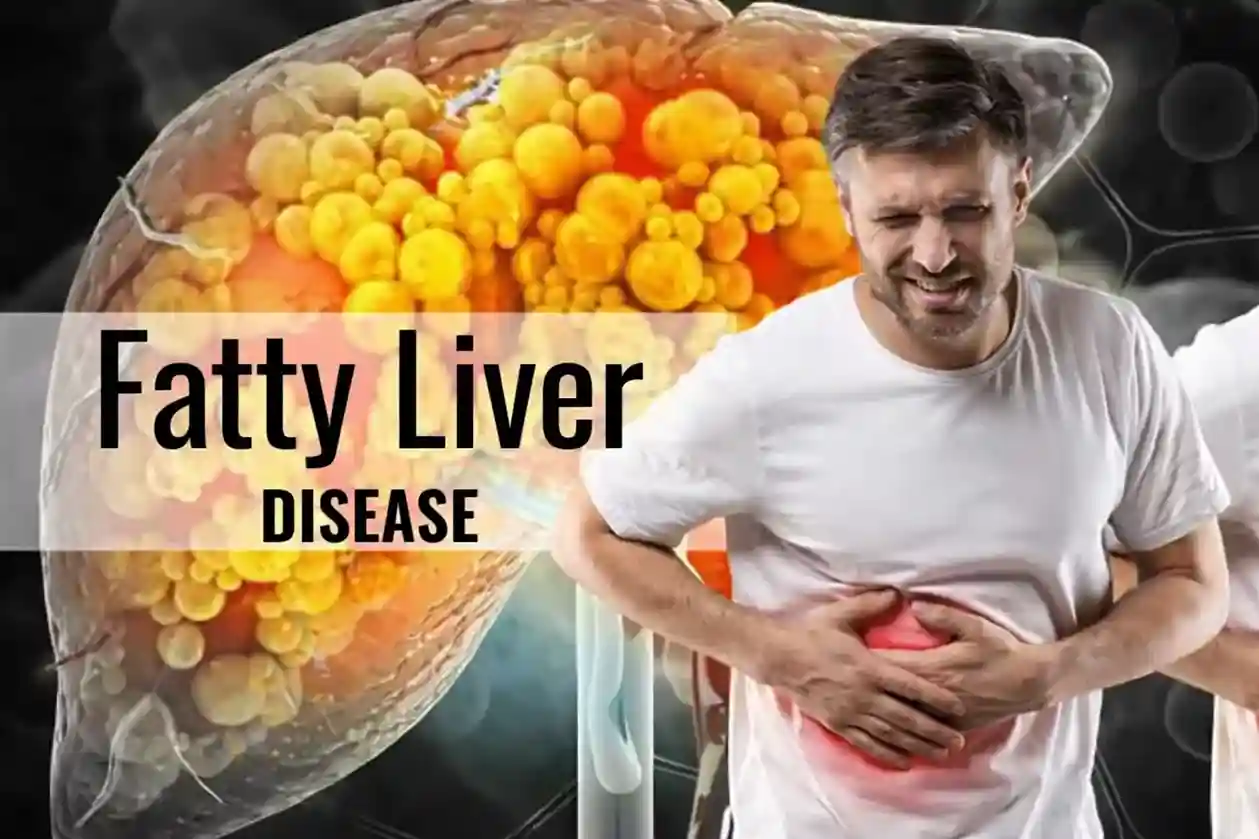
In many cases, fatty liver disease has no obvious symptoms.
However, as the condition progresses, you may experience:
- Fatigue or weakness
- Pain in the upper right abdomen
- Unexplained weight loss
- Nausea
- Loss of appetite
2.1. Symptoms of Advanced Liver Damage (Cirrhosis)
- Yellowing of skin and eyes (jaundice)
- Swelling in legs (edema)
- Fluid buildup in abdomen (ascites)
- Dark urine & pale stool
- Itchy skin
- Easy bruising or bleeding
- Confusion or memory problems
Early detection is crucial because liver damage at advanced stages can be irreversible.
3. Causes of Fatty Liver Disease
Fat builds up in the liver due to various factors affecting metabolism.
3.1. Main Causes
- Heavy alcohol consumption (AFLD)
- Obesity
- Poor diet (high sugar, refined carbs, unhealthy fats)
3.2. Risk Factors for NAFLD
- Type 2 Diabetes
- Insulin resistance
- Metabolic syndrome
- High triglycerides
- High cholesterol
3.3. Other Contributing Factors
- Certain medications
- Genetic conditions
- Pregnancy
- Viral infections like Hepatitis C
4. Can Fatty Liver Disease Be Treated?
Currently, there is no specific medication that completely cures fatty liver disease.
However, it can be reversed or controlled—especially in early stages—through lifestyle changes.
5. Effective Treatment & Management
5.1. Maintain a Healthy Weight
- Losing 5–10% of body weight can significantly reduce liver fat
5.2. Improve Your Diet
- Eat more vegetables, fruits, and whole grains
- Reduce sugar, refined carbs, and saturated fats
5.3. Exercise Regularly
- At least 30 minutes daily
- Activities: walking, cycling, jogging
5.4. Limit Alcohol Intake
- Avoid alcohol if diagnosed with fatty liver
5.5. Manage Underlying Conditions
- Control blood sugar
- Lower cholesterol and triglycerides
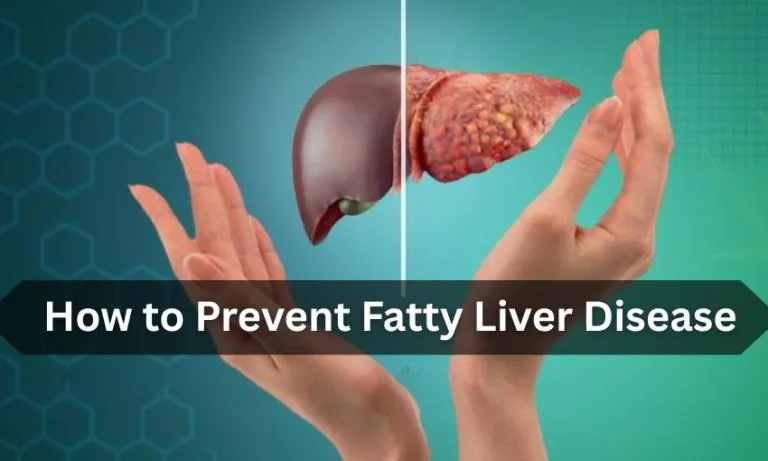
6. Prevention Tips
To reduce your risk of developing fatty liver disease:
- Maintain a healthy body weight
- Monitor blood sugar and cholesterol
- Stay physically active
- Avoid excessive alcohol
- Follow a balanced, nutrient-rich diet
Prevention is the most effective strategy against liver disease.
7. Why Fatty Liver Disease Is Dangerous
Fatty liver disease is called a silent killer because:
- Symptoms appear late
- Damage occurs gradually
- Can progress to:
- Cirrhosis
- Liver failure
- Liver cancer
Regular health checkups can help detect it early.
8. When Should You See a Doctor?
Consult a healthcare professional if you experience:
- Persistent fatigue
- Abdominal discomfort
- Sudden weight loss
- Signs of liver dysfunction
Early diagnosis can prevent serious complications.
9. FAQs
9.1. What are the early symptoms of fatty liver disease?
Most people have no symptoms, but some may feel fatigue or mild abdominal discomfort.
9.2. Can fatty liver disease be reversed?
Yes, especially in early stages through weight loss, diet changes, and exercise.
9.3. Who is at risk?
People who are overweight, have Type 2 diabetes, high cholesterol, or unhealthy lifestyles.
9.4. Is fatty liver dangerous?
If untreated, it can lead to cirrhosis, liver failure, and even cancer.
9.5. Is there a cure?
No specific cure yet, but lifestyle changes are highly effective in managing and reversing the condition.
10. Conclusion
Fatty liver disease is a serious yet preventable condition. Although it often develops silently, its long-term consequences can be severe if ignored.
By adopting a healthy lifestyle, maintaining weight, and monitoring your health, you can significantly reduce your risk and protect your liver.
Take action early—your liver health depends on it.