
Struggling to fall asleep at night? Music helps you sleep well might be the simple, natural solution you’ve been overlooking. While often associated with entertainment, music helps you sleep well also plays a powerful role in improving sleep quality and supporting better sleep hygiene.
Scientific research shows that listening to music helps you sleep well before bed can help you fall asleep faster, reduce stress, and improve overall rest. With easy access to streaming apps and speakers, incorporating music into your nightly music helps you sleep well routine has never been easier.
1. Can Music Help You Fall Asleep?
Yes—research strongly supports the idea that music can improve sleep.
Studies show that both children and adults sleep better after listening to calming music. In one study, adults who listened to music for 45 minutes before bedtime experienced improved sleep quality from the very first night.
Another study found that people with insomnia reduced their time to fall asleep from 27–69 minutes down to just 6–13 minutes after adding music to their nightly routine.
Additionally, music improves sleep efficiency, meaning more time in bed is actually spent sleeping rather than tossing and turning.

2. Why Does Music Affect Sleep?
Music impacts the body through several biological and psychological mechanisms.
2.1. Reduces Stress Hormones
Listening to music lowers cortisol levels, helping the body relax and prepare for sleep.
2.2. Boosts Dopamine
Music stimulates dopamine release—the “feel-good” hormone—which improves mood and reduces discomfort at bedtime.
2.3. Calms the Nervous System
Music slows down heart rate, breathing, and blood pressure by calming the autonomic nervous system.
2.4. Blocks Noise and Negative Thoughts
Music can mask disruptive environmental sounds and distract from anxious thinking, both of which interfere with sleep.
3. What Kind of Music Is Best for Sleep?
There’s no single “perfect” type of music, but research suggests several key factors.
3.1. Ideal Characteristics
- Tempo: 60–80 beats per minute (BPM)
- Soft, calming melodies
- Minimal lyrics or instrumental tracks
- Consistent rhythm
3.2. Personal Preference Matters
The best sleep music is often the one you personally find relaxing. Custom playlists with familiar, soothing songs tend to be most effective.
3.3. Popular Choices
- Classical music
- Ambient sounds
- Nature sounds
- Soft acoustic tracks
4. Music Therapy and Sleep
Music therapy is a structured approach led by trained professionals. It can be especially beneficial for people dealing with:
- Chronic insomnia
- Anxiety disorders
- Chronic pain
Music therapists create personalized treatment plans using listening and music creation techniques to improve both mental and physical health.
5. The Growing Science of Music and Health
Interest in music’s health benefits continues to grow. Major research initiatives are exploring how music can support:
- Mental health
- Pain management
- Sleep disorders
- Neurological conditions
Programs like the Sound Health Initiative have already funded research into music’s role in healthcare.
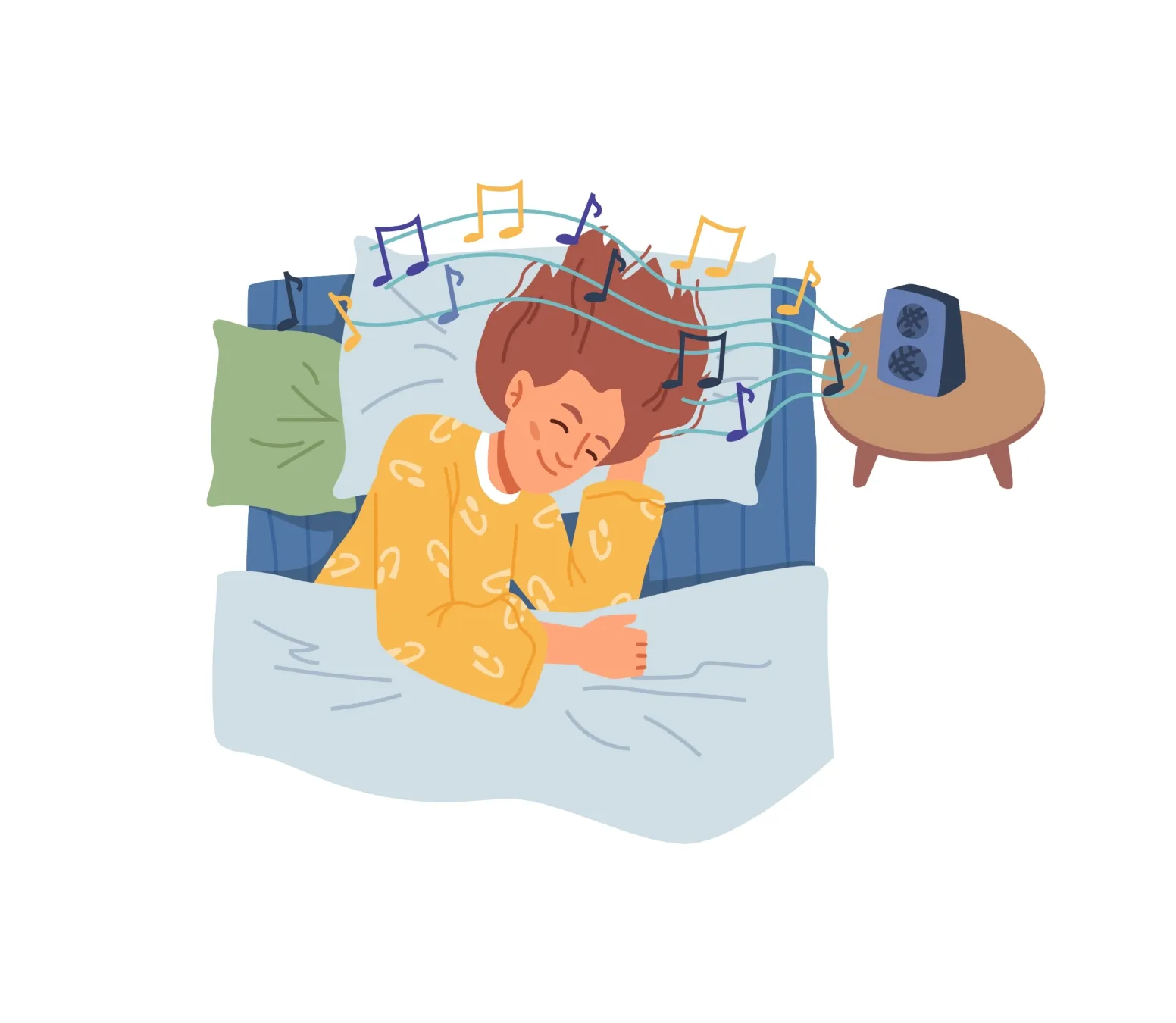
6. How to Make Music Part of Your Sleep Hygiene
Incorporating music into your nightly routine can significantly improve sleep quality.
6.1. Create a Consistent Routine
Play music at the same time each night to signal your body it’s time to sleep.
6.2. Choose Relaxing Music
Pick songs that are calming and enjoyable. Avoid tracks that trigger strong emotions.
6.3. Keep Volume Low
Music should be soft and soothing—not distracting.
6.4. Use Speakers Instead of Headphones
Sleeping with headphones may cause discomfort or ear issues. A small speaker is a safer option.
6.5. Experiment and Adjust
Try different playlists and styles until you find what works best for you.
7. Additional Benefits of Music for Sleep
7.1. Improves Sleep Quality
Music helps you stay asleep longer and reduces nighttime awakenings.
7.2. Supports Mental Health
Regular listening can reduce anxiety, stress, and emotional tension.
7.3. Helps with Pain Management
Music can reduce both physical and psychological pain, making it easier to rest.
8. Common Mistakes to Avoid
- Listening to loud or fast-paced music
- Using emotionally intense songs
- Relying on headphones overnight
- Changing playlists too frequently
9. Conclusion
Music is a simple, affordable, and scientifically supported way to improve sleep. From reducing stress hormones to calming the nervous system, its effects are both immediate and long-lasting.
By adding just a few minutes of relaxing music to your nightly routine, you can fall asleep faster, sleep deeper, and wake up feeling more refreshed.