Alcohol consumption doesn’t just affect your internal health—it also has visible consequences on your skin. From short-term dehydration to long-term damage like reduced elasticity and chronic skin conditions, understanding how alcohol impacts your skin can help you make healthier lifestyle choices.
In this SEO-optimized guide, we explore short-term effects, long-term risks, prevention, and treatment options for alcohol-related skin issues.
1. Drinking Guidelines
If you choose to drink alcohol, moderation is key. According to the Centers for Disease Control and Prevention (CDC):
- Women: Up to 1 drink per day
- Men: Up to 2 drinks per day
The National Institute on Alcohol Abuse and Alcoholism defines heavy drinking as:
- Women: More than 3 drinks/day or 7 drinks/week
- Men: More than 4 drinks/day or 14 drinks/week
Excessive drinking increases the risk of Alcohol Use Disorder (AUD), which is strongly linked to long-term skin damage.
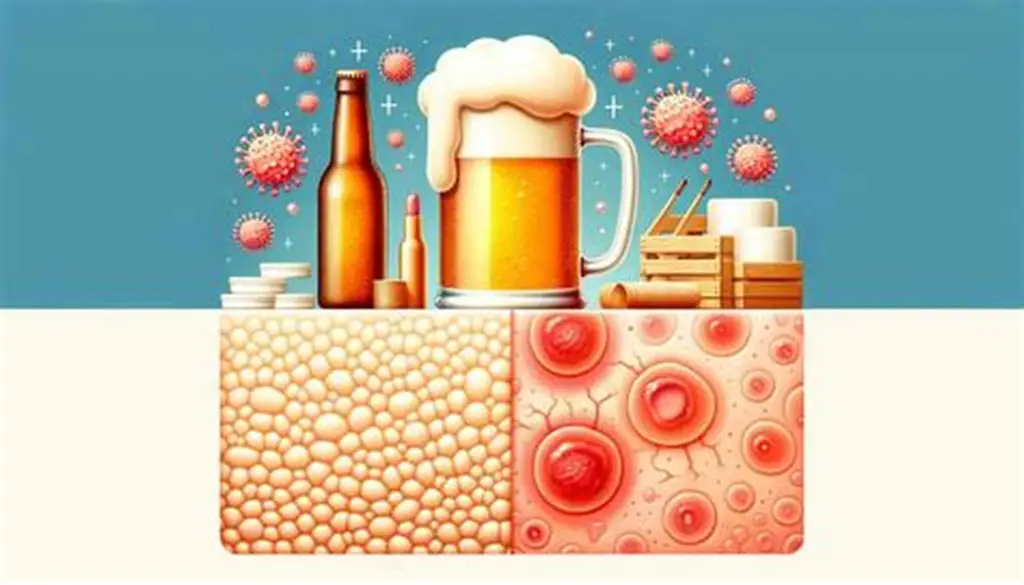
2. Short-Term Effects of Alcohol on the Skin
2.1. Dehydration
Alcohol acts as a diuretic, causing your body to lose fluids and essential electrolytes.
Common skin symptoms:
- Dry, flaky skin
- Cracked lips
- Sunken eyes
- Reduced skin elasticity
Tip: Drink water between alcoholic beverages to stay hydrated.
2.2. Facial Flushing
Alcohol can trigger histamine release, leading to dilated blood vessels.
- Causes redness or inflamed skin
- More common in people with certain genetic traits (especially East Asian populations)
2.3. Poor Sleep and Skin Changes
Although alcohol may make you sleepy, it disrupts sleep quality.
Visible effects:
- Dark under-eye circles
- Dull complexion
- Fine lines and wrinkles
- Pale skin tone
3. Long-Term Effects of Alcohol on the Skin
Regular alcohol consumption can turn temporary issues into chronic skin problems.
3.1. Persistent Dryness and Redness
Short-term symptoms like dehydration and flushing can become permanent over time.
3.2. Increased Risk of Skin Infections
Alcohol weakens the immune system and reduces nutrient absorption, making the skin more vulnerable to infections.
3.3. Higher Risk of Skin Cancer
Research suggests a link between alcohol intake and increased skin cancer risk.
3.4. Liver Damage and Skin Changes
Chronic alcohol use can lead to liver diseases such as:
- Hepatitis
- Cirrhosis
These conditions may cause:
- Yellowing of the skin (jaundice)
- Dark circles around the eyes
- Visible blood vessels (telangiectasia)
- Itchy skin
4. Alcohol and Skin Conditions
Alcohol can trigger or worsen several dermatological conditions:
4.1. Rosacea
- Causes redness, irritation, and acne-like bumps
- Alcohol is a known trigger
4.2. Psoriasis
- Leads to thick, scaly patches
- Alcohol increases inflammation and worsens symptoms
4.3. Seborrheic Dermatitis
- Causes greasy, flaky skin (often on scalp and face)
- Linked to higher alcohol intake
4.4. Porphyria Cutanea Tarda
- Leads to blistering skin after sun exposure
- Alcohol is a major risk factor
4.5. Discoid Eczema
- Chronic, itchy, coin-shaped patches
- Associated with alcohol misuse
5. Prevention: How to Protect Your Skin
To minimize alcohol-related skin damage:
- Stay hydrated: Drink water alongside alcohol
- Limit intake: Follow recommended guidelines
- Avoid triggers: Especially if you have rosacea or psoriasis
- Use skincare: Moisturizers can help combat dryness
Best prevention for serious conditions: Reduce or stop alcohol consumption.
6. Treatment Options
Treating alcohol-related skin issues often involves two steps:
6.1. Address Alcohol Use
Treatment for Alcohol Use Disorder may include:
- Medication
- Cognitive behavioral therapy
- Detox programs
- Support groups
6.2. Treat Skin Conditions
Depending on the issue:
- Dermatological treatments
- Liver disease management
- Ongoing care for chronic conditions
Consult a doctor or dermatologist for personalized care.
7. Support and Recovery
If you’re concerned about your alcohol intake:
- Speak with a healthcare professional
- Reach out to family or friends
- Join support groups
Support is available, and early action can prevent long-term damage.
8. Conclusion
Alcohol can significantly impact your skin in both the short and long term, from temporary issues like dehydration and redness to more serious conditions such as premature aging, chronic skin disorders, and liver-related changes. While some effects may be mild and reversible, frequent or excessive drinking can lead to lasting damage.
By moderating alcohol intake, staying hydrated, and maintaining a consistent skincare routine, you can protect your skin’s health and appearance. Ultimately, reducing or avoiding alcohol is one of the most effective ways to support clearer, healthier, and more resilient skin over time.