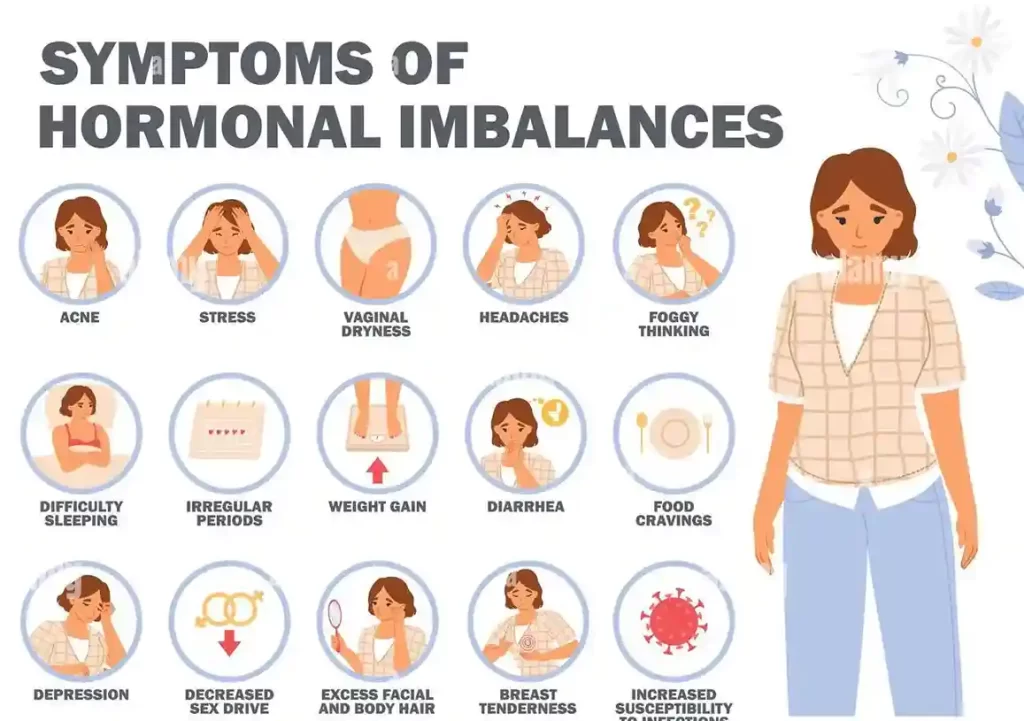
Hormones hormonal disorders are powerful chemical messengers that regulate essential body functions such as metabolism, mood, reproduction, and sexual health. When hormone hormonal disorders levels become too high or too low, it can disrupt your body’s balance—leading to a wide range of symptoms.
We explore the 9 most common hormonal imbalance symptoms, their causes, diagnostic tests, and effective treatments—both medical and natural.
1. What Is a Hormonal Disorders?
A hormonal imbalance occurs when the body produces too much or too little of one or more hormones. Even small fluctuations can significantly impact your overall health, affecting everything from your skin to your sleep and mood.
2. Menstrual Symptoms
Hormonal imbalance often affects the menstrual cycle, leading to:
- Irregular periods
- Heavy bleeding
- Spotting between cycles
- Missed periods
Common causes include:
- Polycystic ovary syndrome (PCOS)
- Primary ovarian insufficiency (POI)
- Thyroid disorders
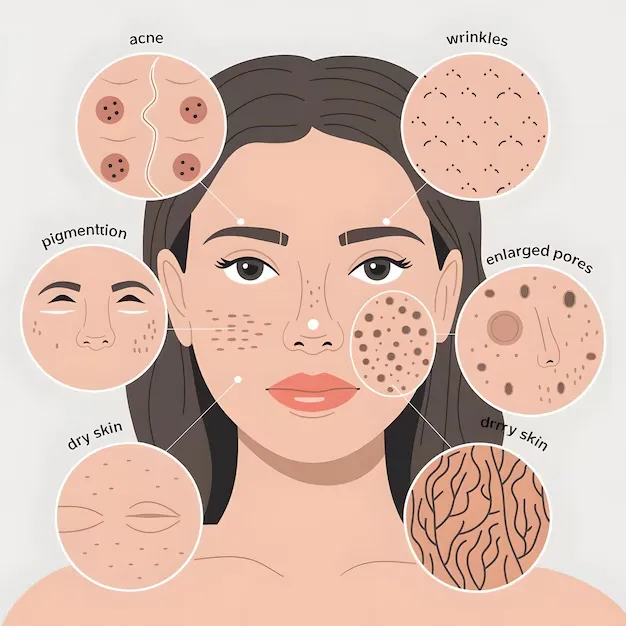
3. Skin Symptoms
Hormones play a key role in skin health. Imbalances can cause:
- Acne (especially during puberty, pregnancy, or menopause)
- Dry or thinning skin
- Rashes and irritation
- Slow wound healing
4. Digestive Symptoms
Hormonal disorders changes can affect the gastrointestinal (GI) system, resulting in:
- Bloating
- Constipation
- Diarrhea
- Abdominal discomfort
Fluctuations in estrogen and progesterone are linked to conditions like Irritable Bowel Syndrome (IBS).
5. Mood Symptoms
Hormones influence brain chemistry. When levels drop—especially estrogen—it can reduce serotonin, leading to:
- Anxiety
- Irritability
- Nervousness
- Sadness or depression
Conditions like Hyperthyroidism can also trigger mood changes.
6. Weight Changes
Unexplained weight gain or loss may be hormone-related:
- Weight gain (common during menopause or Cushing’s syndrome)
- Weight loss (often linked to Hyperthyroidism)
7. Hair Symptoms
Hormones regulate hair growth cycles. Imbalances may cause:
- Hair thinning or hair loss
- Excess facial hair (chin, jawline, upper lip)
8. Sleep Problems
Hormonal imbalance can disrupt sleep patterns, causing:
- Insomnia
- Night sweats
- Difficulty falling or staying asleep
Poor sleep can also worsen hormonal imbalance—creating a harmful cycle.
9. Sexual Health Symptoms
Hormones directly impact libido and sexual function:
- Low sex drive
- Vaginal dryness or painful intercourse
- Erectile dysfunction (ED)
Key hormones involved include testosterone, estrogen, and progesterone.
10. Fertility Issues
Hormonal imbalance can affect ovulation and sperm production, leading to infertility.
Important hormones include:
- Gonadotropin-releasing hormone (GnRH)
- Luteinizing hormone (LH)
- Follicle-stimulating hormone (FSH)
Irregular periods may signal ovulation problems.
11. Medications That Can Cause Hormonal Imbalance
Certain medications may disrupt hormone levels, including:
- Hormone therapy for menopause or cancer
- Long-term corticosteroids (used for asthma or inflammation)
- Excess thyroid medication
12. Tests to Diagnose Hormonal Imbalance
A healthcare provider may recommend blood tests such as:
- Estrogen test
- Progesterone test
- FSH test
- TSH (thyroid function test)
- Testosterone test
- DHEA sulfate test
Diagnosis depends on your symptoms and medical history.
13. Treatment Options
Treatment varies depending on the cause:
- Hormone Replacement Therapy (HRT) for menopause
- Thyroid hormone medication
- Treatment for underlying conditions (e.g., diabetes, PCOS)
- Symptom-specific therapies
HRT may not be suitable for individuals with conditions like breast cancer, blood clots, or liver disease.
14. Natural Remedies to Balance Hormones
You can support hormone health naturally through lifestyle changes:
14.1. Hormone-Friendly Foods
- Fruits: apples, berries, grapes
- Vegetables: broccoli, kale, spinach
- Whole grains: oats, barley
- Seeds and nuts: flaxseeds, almonds
- Soy products: tofu, miso
14.2. Healthy Habits
- Maintain a balanced diet
- Exercise regularly
- Get enough sleep
- Manage stress effectively
Certain nutrients like vitamins B & D and minerals like boron may support hormone balance.
15. Conclusion
Hormonal disorders can affect nearly every aspect of your health, from your skin and weight to your mood, sleep, and fertility. While occasional fluctuations are normal, persistent symptoms may signal an underlying issue that requires attention. Early recognition and proper diagnosis are key to restoring balance and preventing long-term complications.
By combining medical treatment with healthy lifestyle habits—such as balanced nutrition, regular exercise, quality sleep, and stress management—you can support your body’s natural hormone regulation. If symptoms continue or worsen, consulting a healthcare professional is essential for personalized care and effective treatment.