
Nutritious whole grains are a healthy and comprehensive choice for daily heathy meals, being foods rich in nutrients and playing an important role in a healthy diet, providing a source of fiber, vitamins, minerals, and essential nutrients for daily health meals. Unlike refined grains, whole grains retain all parts of the grain—including the bran, germ, and endosperm—making them a better choice in terms of nutrition and long-term health.
Incorporating whole grain foods into daily nutritious meals, from breakfast to dinner, can help improve digestion, support overall health, and provide sustained energy throughout the day. Understanding the difference between whole grains and refined grains is key to making smart, healthy meals, and nutritious dietary choices that help build a balanced lifestyle for everyone.
1. What Are Whole Grains?
Whole grains contain all three parts of the grain:
- Bran: outer layer rich in fiber
- Germ: contains healthy meals fats, vitamins, and antioxidants
- Endosperm: provides carbohydrates for energy
Always check food labels and choose products labeled ‘100% whole grains’ or ‘whole wheat flour’ as the first ingredient.
Always choose products daily heathy meals labeled “100% whole grain” or “whole wheat” for maximum health benefits.

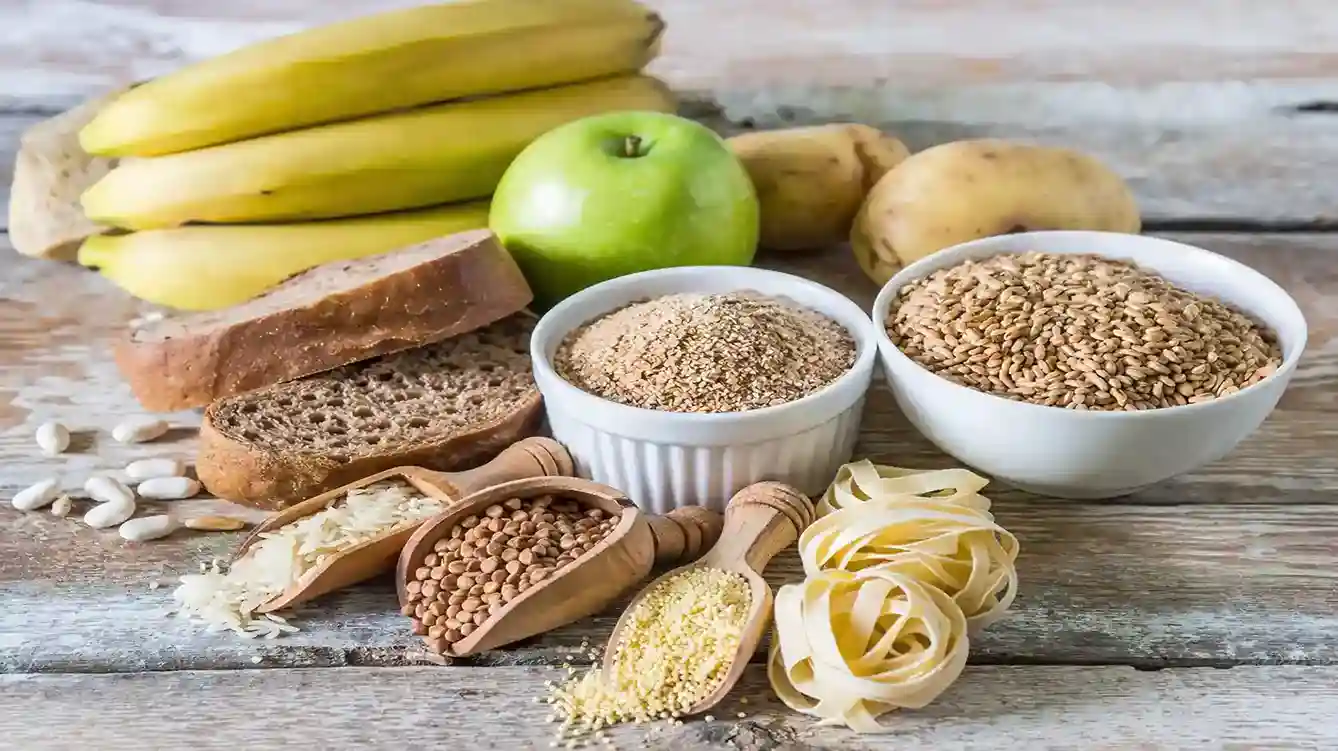
2.Popular whole grain daily heathy meals options and benefits
2.1. Brown Rice
A fiber-rich alternative to white rice with a mild nutty flavor, perfect for stir-fries and grain bowls.
2.2. Cracked Wheat (Bulgur)
Quick-cooking and versatile, ideal for salads like tabbouleh or as a healthy side dish.
2.3. Oats
High in soluble fiber, oats are perfect for oatmeal, overnight oats, and smoothies.
2.4. Quinoa
A nutrient-dense seed rich in protein, iron, and essential amino acids.
2.5. Whole Wheat
Used in bread, pasta, and baked goods, offering more nutrients than refined flour.
2.6. Barley
A chewy grain loaded with fiber, perfect for soups and stews.
2.7. Millet
A gluten-free grain that works well in both sweet and savory dishes.
3. How to Add Whole Grains to Everyday Meals for Good Health
- Oatmeal with fruits and nuts
- Whole grain cereals
- Whole wheat toast with nut butter
- Quinoa breakfast bowls
3.2. Lunch Options
- Brown rice with vegetables
- Quinoa salad
- Whole wheat sandwiches
3.3. Dinner Choices
- Barley soup or bulgur pilaf
- Millet with roasted vegetables
- Whole wheat pasta with healthy sauces
3.4. Healthy Snacks
- Air-popped popcorn
- Whole grain crackers
- Homemade granola bars
4. How to Read Food Labels
Choosing the right whole grain products is crucial:
- Search for “100% whole grains”
Ensure whole grains are the first ingredient, being healthy grains rich in nutrients and supplemented with fiber
Avoid products with “enriched flour” listed first 
daily-heathy-meals
5. The health benefits of whole grains and heathy meals
5.1. Supports Digestive Health
The benefits of whole grains help make meals healthy with high fiber content, improve gut health, prevent constipation, and support beneficial gut bacteria.
5.2. Promotes Heart Health
Whole grains help reduce bad cholesterol (LDL) and lower the risk of cardiovascular diseases.
5.3. Helps Control Blood Sugar
Slow-digesting carbohydrates prevent blood sugar spikes, making whole grains ideal for people with diabetes.
5.4. Aids Weight Management
Fiber increases satiety, helping you feel full longer and reducing overeating.
5.5. Boosts Energy Levels
Provides steady, long-lasting energy throughout the day.
5.6. Reduces Risk of Chronic Diseases
Regular consumption of whole grains is associated with a reduced risk of:
Type 2 diabetes
Obesity
Some types of cancer
6. Final Thoughts
Whole grains are a simple yet powerful way to boost your daily heathy meals nutrition. By making a menu that replaces refined grains with healthier options like brown rice, oats, quinoa, and whole wheat, you can support long-term health and wellness.
Small changes in your diet—such as choosing whole grains—can add a lot of fiber and particularly make a significant difference in your overall daily health meals