
Getting a full sleeping 8 hours night’s sleep is supposed to leave you refreshed and energized. But what if you’re still feeling exhausted after sleeping 8 hours?
According to sleep experts, persistent fatigue sleeping 8 hours despite adequate rest may signal underlying health issues. Understanding the root cause is essential to improving both your sleep quality and overall well-being.
1. Tired vs Sleepy: What’s the Difference?
Many people use “tired” and “sleepy” interchangeably, but medically, they are different.
- Sleepy: You feel a strong urge to fall asleep (heavy eyes, nodding off)
- Tired: You feel physically or mentally drained but not necessarily able to sleep
This distinction is crucial because it helps identify whether your issue is related sleeping 8 hours to quality or other health factors.
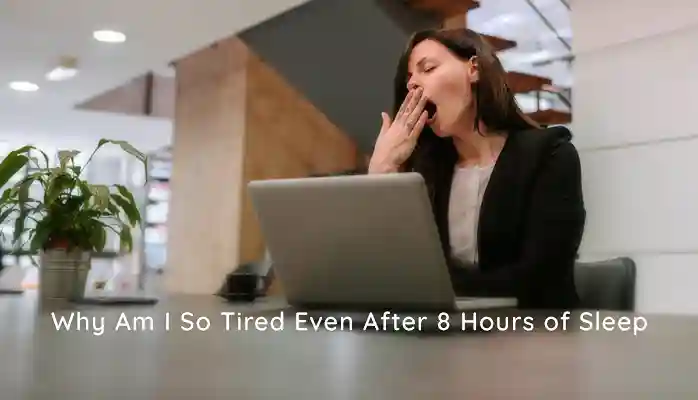
2. Why You’re Still Tired After Sleeping 8 Hours
If you’re consistently feeling fatigued despite enough sleep, several factors could be involved:
2.1. Sleep Disorders
One of the most common causes is Sleep Apnea, a condition where breathing repeatedly stops and starts during sleep.
Common symptoms:
- Loud snoring
- Waking up gasping for air
- Morning headaches
- Feeling unrefreshed after sleep
Even if you sleep through the night, disrupted breathing can prevent deep, restorative sleep.
2.2. Poor Sleep Quality
You may be spending enough time in bed, but not enough time in deep or REM sleep.
Factors that reduce sleep quality include:
- Noise or light disturbances
- Irregular sleep schedules
- Excessive screen time before bed
2.3. Mental Health Conditions
Conditions such as anxiety and depression can lead to chronic fatigue, even if sleep duration is adequate.
These conditions often affect:
- Sleep cycles
- Energy levels
- Motivation and focus
2.4. Nutritional Deficiencies
Low levels of key nutrients like iron or vitamin D can cause fatigue.
Your body needs proper nutrition to:
- Produce energy
- Support brain function
- Maintain healthy sleep patterns
2.5. Chronic Stress
Long-term stress keeps your body in a heightened state of alertness, making restful sleep difficult.
Over time, this can lead to:
- Burnout
- Fatigue
- Poor concentration
3. When to See a Doctor
You should consult a healthcare professional if fatigue:
- Affects your daily functioning
- Impacts your mood or relationships
- Interferes with work or school performance
- Persists despite lifestyle improvements
A doctor can help identify whether your fatigue is related to sleep issues or another underlying condition.
4. How Sleep Specialists Diagnose the Problem
A sleep specialist may:
- Review your medical history
- Ask detailed questions about your sleep habits
- Conduct physical examinations
- Recommend blood tests
In some cases, they may suggest a sleep study, which monitors:
- Brain activity
- Breathing patterns
- Heart rate
- Body movements
This test helps diagnose conditions like Sleep Apnea and other sleep disorders.
5. How to Improve Sleep Quality Naturally
Before seeking medical help, you can try improving your sleep hygiene:
5.1. Simple tips:
- Maintain a consistent sleep schedule
- Limit screen time before bed
- Keep your bedroom cool, dark, and quiet
- Avoid caffeine late in the day
- Practice relaxation techniques like meditation
Small changes can significantly improve how rested you feel.

6. FAQs About Feeling Tired After 8 Hours of Sleep
6.1. Why am I still tired after 8 hours of sleep?
You may still feel tired due to poor sleep quality, underlying health conditions, stress, or sleep disorders like Sleep Apnea. Getting enough hours doesn’t always mean your sleep is restorative.
6.2. Is it normal to feel tired every day?
No, feeling tired occasionally is normal, but daily fatigue may indicate a deeper issue such as poor sleep hygiene, nutritional deficiencies, or chronic stress. Persistent tiredness should be evaluated.
6.3. How can I improve sleep quality naturally?
You can improve sleep quality by:
- Maintaining a consistent sleep schedule
- Reducing screen time before bed
- Creating a quiet, dark sleep environment
- Practicing relaxation techniques
These habits support better and deeper sleep cycles.
6.4. When should I see a doctor for fatigue?
You should consult a doctor if fatigue:
- Lasts more than a few weeks
- Interferes with daily life
- Comes with symptoms like snoring, headaches, or mood changes
A professional can help diagnose conditions like Sleep Apnea or other medical causes.
6.5. Can vitamin deficiencies cause tiredness?
Yes, deficiencies in nutrients such as iron, vitamin D, and B vitamins can lead to fatigue. Blood tests can help identify and correct these imbalances.
6.7. What’s the difference between tired and sleepy?
- Sleepy: You feel like you could fall asleep easily
- Tired: You feel exhausted but may not be able to sleep
Understanding this difference helps identify the root cause of your fatigue.
7. Conclusion
Feeling tired after sleeping 8 hours of sleep isn’t something to ignore. It could be your body signaling that something isn’t right—whether it’s poor sleep quality, stress, or a medical condition like Sleep Apnea.
The key is to listen to your body and take action early.
Improving your sleeping 8 hours habits and seeking professional guidance when needed can help you regain your energy—and your quality of life.