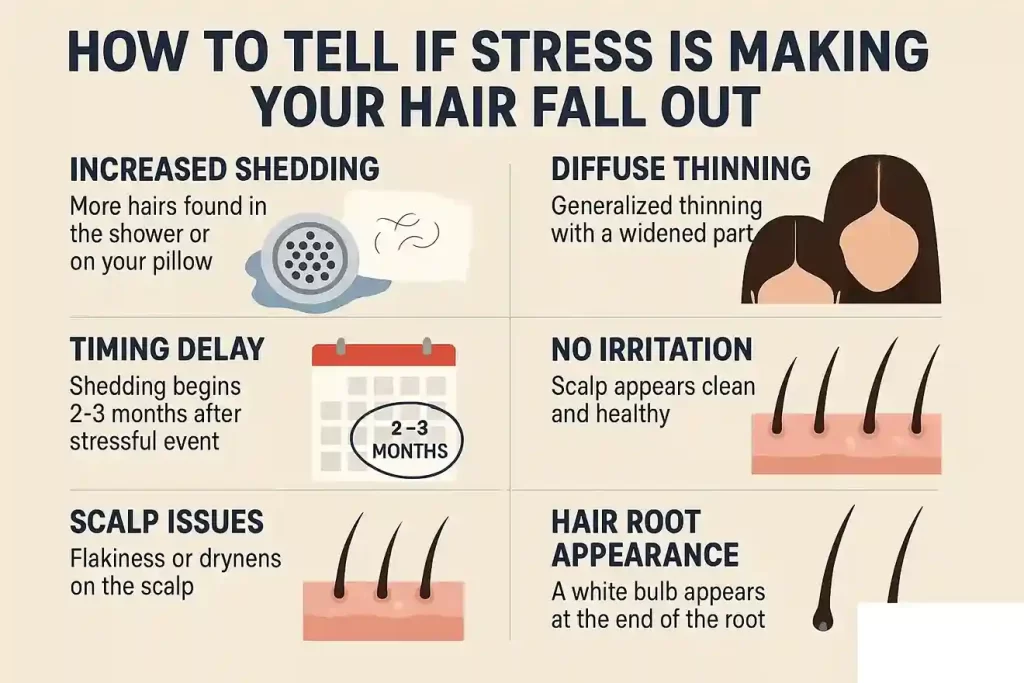
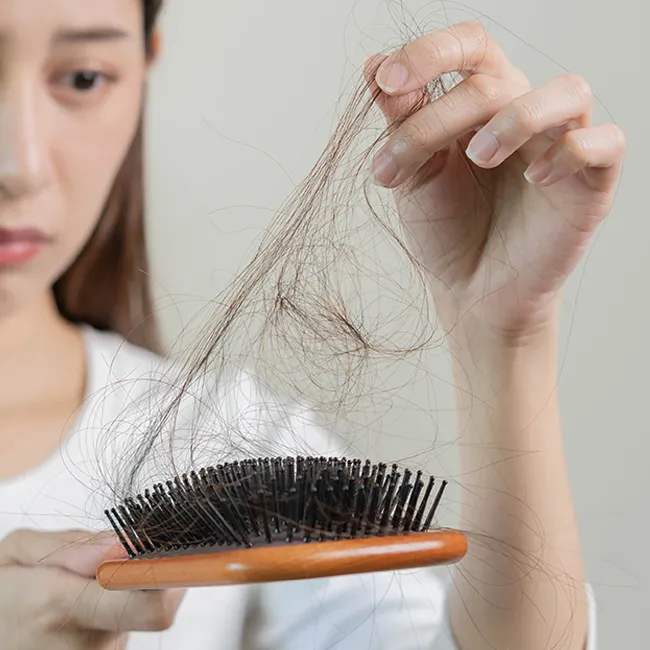
Hair fall is a common concern that can affect both men and women. While it’s normal to shed up to 100 hairs fall, excessive hair fall may signal underlying issues.
- Causes range from genetics and hormones to medical conditions like Alopecia Areata or infections like Tinea Capitis
- Treatments vary from over-the-counter solutions like Minoxidil to medical procedures
- Lifestyle changes such as stress management and proper nutrition can significantly help
1. What Causes Hair Fall?
Hair fall can result from a wide range of factors, including:
- Genetics (male/female pattern baldness)
- Hormonal changes (pregnancy, menopause)
- Medical conditions and medications
- Nutritional deficiencies
- Stress and lifestyle habits
Identifying the root cause is essential for choosing the right treatment.
2. 10 Common Causes of Hair Loss
2.1. Androgenetic Alopecia (Pattern Baldness)
Also known as hereditary hair loss, this is the most common cause.
- Men: Receding hairline and crown thinning
- Women: Overall thinning across the scalp
Treatment options:
- Minoxidil
- Finasteride
- Laser therapy
- Hair transplant surgery
2.2. Pregnancy
Hormonal changes after childbirth can lead to temporary hair shedding.
What helps:
- Use volumizing hair products
- Avoid heavy conditioners
- Focus conditioner on hair ends
Hair usually returns to normal within a year.
2.3. Telogen Effluvium
A condition where hair prematurely enters the shedding phase.
Common triggers:
- Stress
- Surgery
- Rapid weight loss
- Thyroid disorders
Treatment:
Usually temporary—resolves once the underlying cause is treated.
2.4. Anagen Effluvium
Rapid hair loss during the growth phase, often due to:
- Chemotherapy
- Radiation therapy
- Autoimmune conditions
Hair typically regrows after treatment stops.
2.5. Alopecia Areata
An autoimmune disorder where the body attacks hair follicles.
Symptoms:
- Sudden patchy hair loss
- Loss of eyebrows or eyelashes
Treatment:
- Corticosteroid injections
- Prescription medications
2.6. Traction Alopecia
Caused by tight hairstyles such as:
- Ponytails
- Braids
- Extensions
Prevention:
Avoid tight hairstyles to prevent permanent damage.
2.7. Medications
Certain drugs may trigger hair loss, including:
- Antidepressants
- Beta-blockers
- Hormonal medications
- Cholesterol-lowering drugs
Solution:
Consult a doctor to adjust dosage or switch medications.
2.8. Birth Control Pills
Hormonal contraceptives can contribute to hair loss in some individuals.
Tip:
Choose pills with a lower androgen index or consider non-hormonal options.
2.9. Nutritional Deficiencies
Lack of essential nutrients like iron, protein, or vitamin D can cause hair shedding.
Treatment:
- Balanced diet
- Supplements (if prescribed)
2.10. Tinea Capitis (Scalp Ringworm)
A fungal infection that causes patchy hair loss.
Symptoms:
- Itchy, scaly patches
- Broken hair
- Ring-shaped lesions
Treatment:
- Antifungal medications
3. Self-Care Tips to Reduce Hair Fall
Simple lifestyle changes can make a big difference:
3.1. Healthy Habits
- Eat a nutrient-rich diet (protein, vitamins, healthy fats)
- Manage stress (massage, meditation, relaxation techniques)
- Avoid smoking
3.2. Hair Care Tips
- Avoid tight hairstyles
- Limit heat styling tools
- Use gentle shampoos and conditioners
- Brush hair gently
- Let hair air-dry when possible

4. FAQs
4.1. What are the main causes of hair fall?
The most common causes include genetic conditions like pattern baldness, hormonal changes, and medical conditions such as Alopecia Areata.
4.2. Why does hair fall out suddenly?
Sudden hair loss may be due to conditions like anagen effluvium or autoimmune disorders. It’s best to consult a doctor for diagnosis.
4.3. How can I stop hair fall?
You can:
- Reduce stress
- Improve your diet
- Avoid damaging hair practices
- Use medical treatments when necessary
4.4. What vitamin deficiency causes hair fall?
Deficiencies in vitamin D, iron, and other nutrients can contribute to hair loss. A blood test can help identify the issue.
5. Summary
Hair fall is a complex condition with many possible causes—from genetics to lifestyle factors.
While some hair shedding is normal, excessive loss may require attention. The good news is that most types of hair fall are treatable once the underlying cause is identified.
Early diagnosis and the right treatment plan are key to restoring healthy hair.