
Getting quality sleep is essential for your physical health, mental well-being, and daily performance. If your sleep isn’t as restful as you’d like, it can be night habits that help sleep difficult to know where to start improving it.
Instead of changing everything at once, experts recommend building night habits that help sleep, sustainable habits that gradually improve your sleep over time.
A healthy sleep routine isn’t just about what you do before bed—it also includes your daytime habits and bedroom environment.
1. Best Tips for Better Sleep
Night habits that help sleep improving sleep involves three key areas:
✔ Daily wellness habits
✔ Nighttime sleep routine
✔ Sleep environment
Let’s break them night habits that help sleep down step by step.
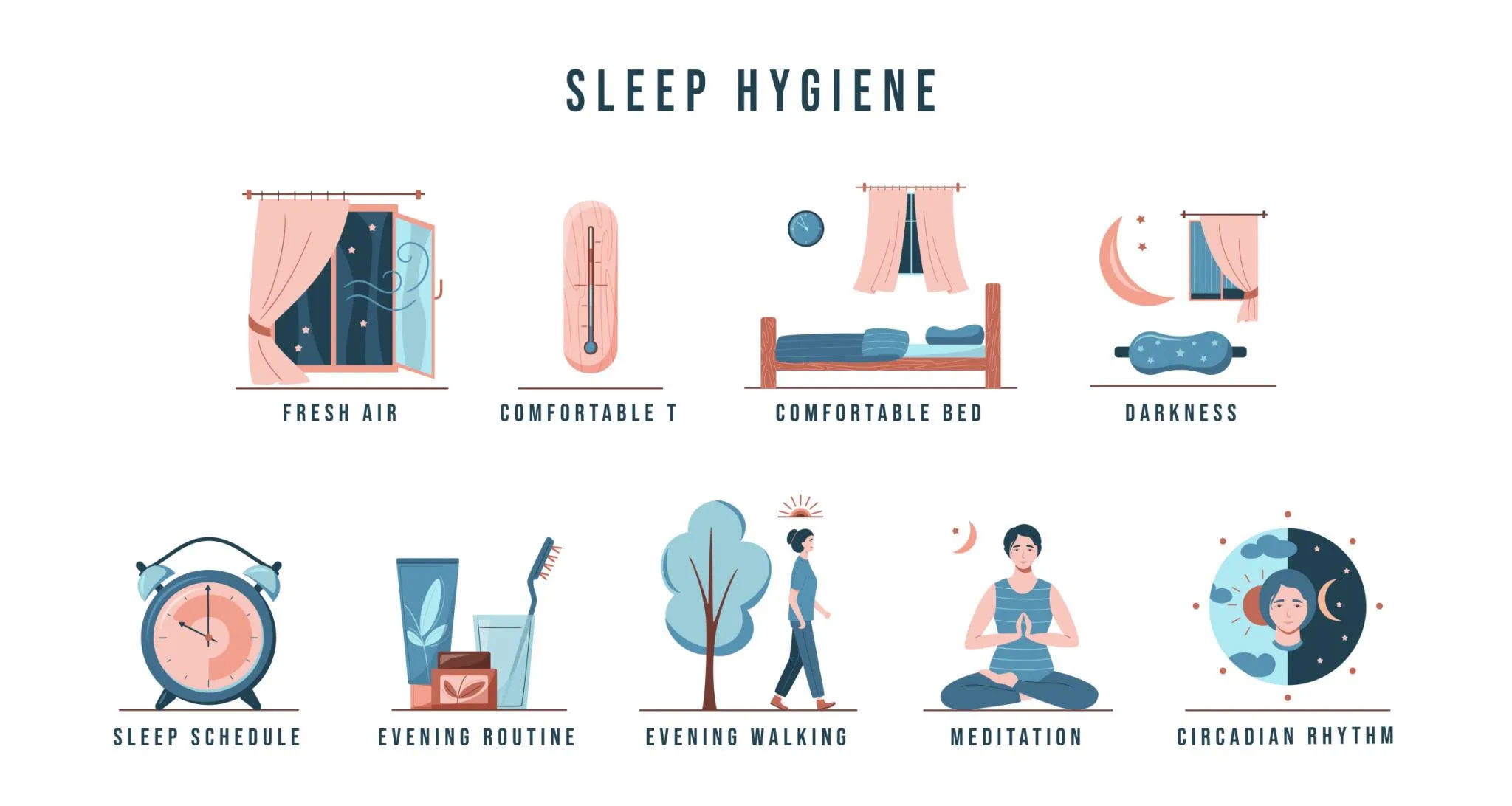
2. Daily Wellness Habits for Better Sleep
2.1. Get Natural Daylight Every Day
Natural light helps regulate your circadian rhythm (sleep-wake cycle).
What to do:
- Get at least 30 minutes of sunlight daily
- Go outside in the morning or sit near a window
2.2. Stick to a Consistent Schedule
Going to bed and waking up at the same time improves sleep quality.
Tips:
- Keep consistent sleep and wake times
- Eat meals at regular hours
- Follow a stable daily routine
2.3. Limit Naps During the Day
Short naps can help, but long naps may disrupt sleep.
Best practice:
- Limit naps to 20 minutes
- Avoid naps late in the day
2.4. Eat a Balanced Diet
Nutrition plays a key role in sleep quality.
Focus on:
- Fruits and vegetables
- Whole grains
- Lean protein
✔ Supports overall health and better sleep
2.5.Manage stress with relaxation techniques and nighttime habits to sleep well
Stress can interfere with sleep.
Try:
- Deep breathing
- Meditation
- Visualization exercises
✔ Helps calm the mind before bedtime
3. Build a Healthy Sleep Routine
3.1. Get at Least 7 Hours of Sleep
Adults need 7–9 hours of sleep per night for optimal health.
Gradually adjust your bedtime if needed (15–30 minutes each night).
3.2. Create a Consistent Bedtime Routine
A consistent routine signals your body that it’s time to sleep.
Example routine:
- Change into comfortable clothes
- Brush teeth
- Read or relax
- Turn off lights
3.3. Night habits that help sleep relax Before Bed
Calming activities help your body transition to sleep.
Options include:
- Reading
- Journaling
- Stretching
- Listening to soft music
3.4. Use Your Bed Only for Sleep
Avoid using your bed for work, eating, or watching TV.
✔ Strengthens the brain’s association between bed and sleep
3.5. Get Out of Bed If You Can’t Sleep
If you can’t fall asleep after 20–30 minutes:
- Get up
- Do a calming activity
- Return when sleepy
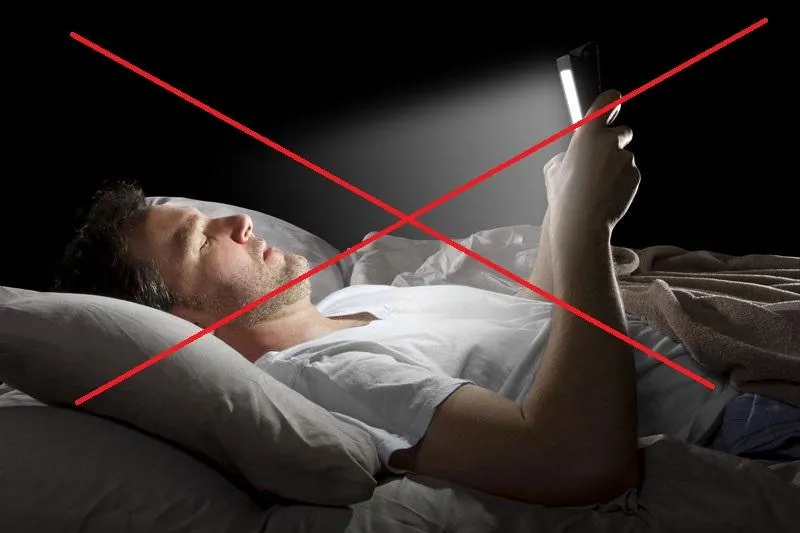
3.6. Reduce Phone Distractions
Notifications and blue light disrupt sleep.
What to do:
- Use Do Not Disturb mode
- Keep devices away from bed

night-habits-that-help-sleep-well
3.7. Avoid Checking the Clock
Watching the time can increase anxiety and make sleep harder.
Keep clocks out of sight
4. Optimize Your Sleep Environment
4.1. Reduce Noise
Use:
- Earplugs
- White noise machines
4.2. Keep Your Bedroom Dark
Darkness promotes deeper sleep.
Try:
- Blackout curtains
- Sleep masks
4.3. Maintain Ideal Room Temperature
The best sleep temperature is:
18–20°C (65–68°F)
4.4. Choose a Comfortable Mattress & Pillow
✔ Supports proper posture
✔ Improves sleep quality
4.5. Try Aromatherapy
Scents like lavender may help relaxation.
Use essential oils or diffusers
4.6. Improve Ventilation
Fresh air improves sleep quality.
Open windows or use air purifiers
5. Conclusion: Build Better Sleep Step by Step
Night habits that help sleep improving sleep doesn’t require drastic changes.
Start small by:
✔ Creating a consistent routine
✔ Managing stress
✔ Optimizing your sleep environment
Over time, night habits that help sleep these healthy sleep habits can help you:
Fall asleep faster
Sleep deeper
Wake up feeling refreshe