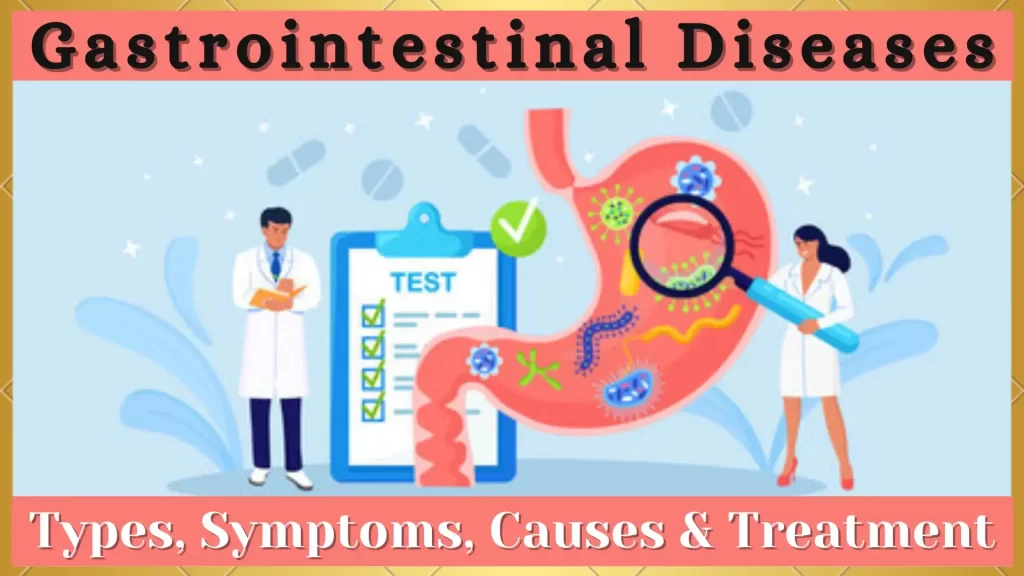
Gastrointestinal diseases are conditions that affect the digestive system, also known as the GI tract. This system includes:
- Mouth
- Esophagus
- Stomach
- Small and large intestines
- Rectum
- Supporting organs like the liver, pancreas, and gallbladder
These diseases can range from mild and temporary to severe and long-lasting.
1. Types of Gastrointestinal Diseases
1.1. Acute vs. Chronic GI Diseases
- Acute GI diseases:
Appear suddenly and last a short time (e.g., food poisoning) - Chronic GI diseases:
Develop slowly and last for months or years (e.g., IBS, GERD)
1.2. Functional vs. Structural GI Diseases
- Functional GI disorders:
No visible damage, but symptoms are present
(e.g., constipation, gas, diarrhea) - Structural GI diseases:
Physical abnormalities like inflammation or blockages are visible
(e.g., polyps, hemorrhoids, inflammatory bowel disease)
2. Common Causes of Gastrointestinal Diseases
Several factors can trigger digestive disorders, including:
- Poor diet (low fiber, high processed foods)
- Lack of physical activity
- Stress and anxiety
- Hormonal changes (pregnancy, menstruation)
- Certain medications
- Food sensitivities
- Infections (bacterial or viral)
3. Most Common Gastrointestinal Diseases
Here are some of the most frequently diagnosed GI conditions:
3.1. Constipation
- Infrequent or difficult bowel movements
- Often caused by low fiber or dehydration
Treatment: Increase water intake, eat fiber-rich foods, use mild laxatives if needed.
3.2. Irritable Bowel Syndrome (IBS)
- Symptoms: Abdominal pain, bloating, gas
- Caused by abnormal intestinal muscle contractions
Treatment: Diet changes, stress management, medications.
3.3. Hemorrhoids
- Swollen veins in the rectum or anus
- Often caused by straining
Prevention: Avoid constipation and prolonged sitting.
3.4. Diverticular Disease
- Small pouches form in the colon (diverticulosis)
- Infection leads to diverticulitis
Treatment: Fiber intake, antibiotics, or surgery in severe cases.
3.5. Colon Polyps & Colorectal Cancer
- Polyps are noncancerous growths that can become cancerous
- Early detection through screening is crucial
Screening: Colonoscopy helps detect issues early.
3.6. Colitis
- Inflammation of the colon
- Includes ulcerative colitis and Crohn’s disease
Symptoms: Diarrhea, abdominal pain, rectal bleeding.
3.7. Celiac Disease
- Autoimmune reaction to gluten
- Damages the small intestine
Treatment: Strict gluten-free diet.
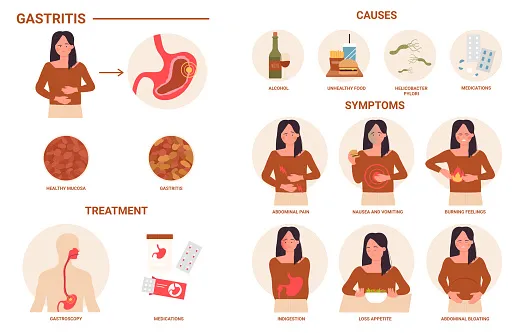
3.8. Gastritis
- Inflammation of the stomach lining
- Causes: Infection, alcohol, stress
Symptoms: Nausea, stomach pain, loss of appetite.
3.9. Gastroenteritis
- Infection of stomach and intestines
- Often caused by viruses or food poisoning
Symptoms: Vomiting, diarrhea, cramps.
3.10. Acid Reflux & GERD
- Stomach acid flows back into the esophagus
- Causes burning sensation (heartburn)
Treatment: Lifestyle changes, medication, sometimes surgery.
3.11. Lactose Intolerance
- Inability to digest lactose (milk sugar)
Symptoms: Gas, bloating, diarrhea.
3.12. Indigestion (Dyspepsia)
- Discomfort after eating
Often relieved with antacids.
3.13. Barrett’s Esophagus
- Changes in the esophageal lining due to chronic acid reflux
- Increases risk of esophageal cancer
4. Symptoms of Gastrointestinal Diseases
Common symptoms include:
- Abdominal pain
- Bloating and gas
- Diarrhea or constipation
- Nausea or vomiting
- Heartburn
- Rectal bleeding
- Unexplained weight loss
5. How to Prevent Gastrointestinal Diseases
You can reduce your risk by adopting healthy habits:
- Eat a balanced, high-fiber diet
- Stay physically active
- Drink plenty of water
- Manage stress effectively
- Avoid holding bowel movements
- Limit processed foods and alcohol
- Get regular health screenings

6. When to See a Doctor
Seek medical attention if you experience:
- Persistent abdominal pain
- Blood in stool
- Unexplained weight loss
- Severe or long-lasting symptoms
- Difficulty swallowing
7. FAQs
7.1. What is the most common gastrointestinal disease?
Conditions like IBS, GERD, and constipation are among the most common.
7.2. Are GI diseases serious?
Some are mild and temporary, while others like colorectal cancer can be life-threatening if untreated.
7.3. Can gastrointestinal diseases be cured?
Many can be managed or treated effectively, especially when detected early.
7.4. How do I improve my digestive health?
Focus on diet, exercise, hydration, and stress management.
7.5. When should I get screened for colon cancer?
Screening is generally recommended starting at age 45 or earlier if you have risk factors.
8. Conclusion
Gastrointestinal diseases are common but manageable. From mild conditions like indigestion to serious illnesses like colorectal cancer, understanding symptoms and causes is key to early treatment.
👉 By maintaining a healthy lifestyle and seeking timely medical care, you can protect your digestive health and improve your quality of life.