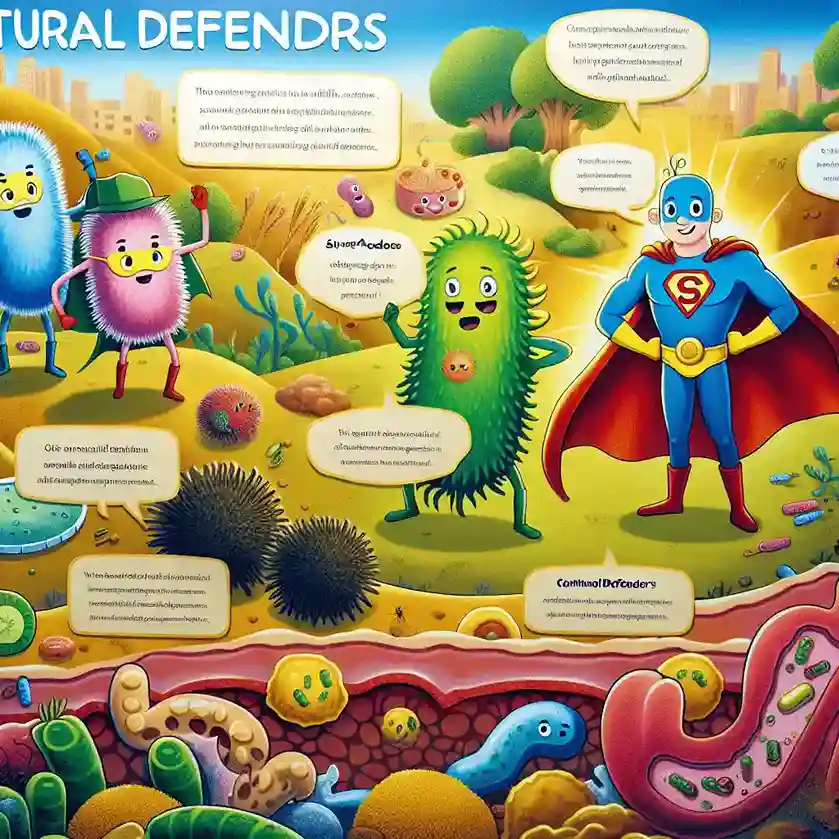
The health of your gut affects far more than digestion. Inside your intestines lives a vast ecosystem of microorganisms called the gut microbiota, which helps regulate immunity, nutrient absorption, energy levels, and even skin health.
When beneficial bacteria become depleted, your body may show clear warning signs. Recognizing these symptoms early can help you restore balance and prevent long-term health issues.
Below are 5 signs your body may be lacking beneficial bacteria and the best ways to improve gut health naturally.
1. Why Beneficial Bacteria Are Important
Healthy gut bacteria help your body by:
- Supporting digestion
- Producing certain vitamins
- Improving nutrient absorption
- Strengthening the immune system
- Reducing inflammation
- Protecting against harmful bacteria
When these helpful microbes decline, many body systems may be affected.
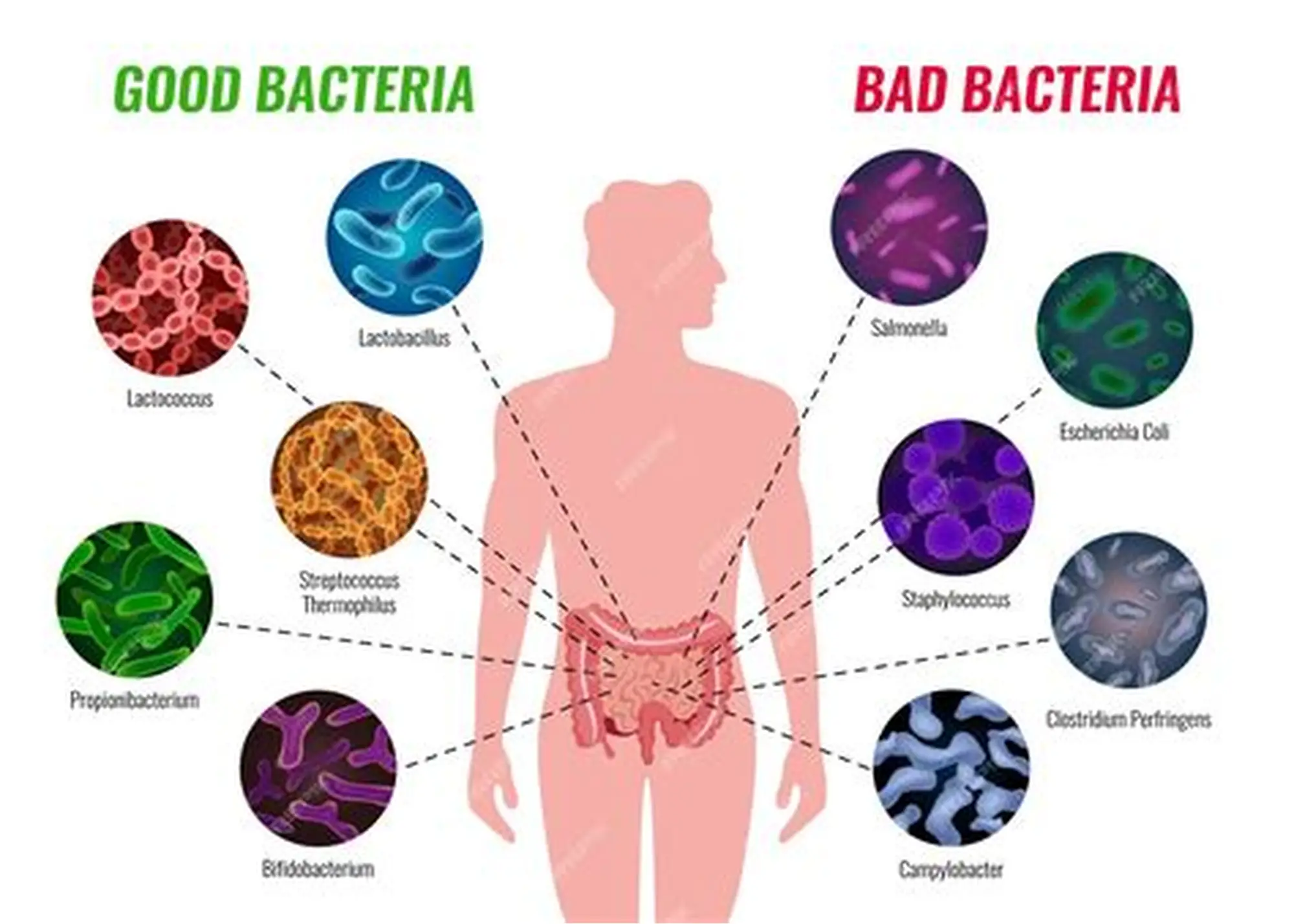
2. Bloating and Indigestion
Frequent bloating, gas, or stomach discomfort is one of the most common signs of gut imbalance.
When beneficial bacteria are low, harmful bacteria may grow too quickly and disrupt digestion. This can lead to:
- Gas after meals
- Fullness or heaviness
- Burping
- Digestive discomfort
- Irregular digestion
Occasional bloating is normal, but regular symptoms may indicate a deeper issue.
3. Chronic Constipation
Persistent constipation can be another warning sign.
Beneficial bacteria help stimulate bowel movement and support normal gut motility. Without enough of them, food may move more slowly through the digestive tract.
Common symptoms include:
- Hard stools
- Straining
- Fewer bowel movements
- Feeling incomplete after using the bathroom
Improving gut bacteria may help support better regularity.
4. Frequent Minor Illnesses
A large part of your immune system is connected to your gut.
If you often catch colds, flu, or mild infections, poor gut health may be one contributing factor. An imbalanced microbiome can weaken your body’s defense system and reduce resilience.
Signs may include:
- Frequent colds
- Slow recovery
- Repeated infections
- Feeling run down often
5. Fatigue and Low Energy
Constant tiredness, low motivation, or brain fog may be linked to gut health.
When digestion is inefficient, the body may struggle to absorb key nutrients such as:
- Iron
- B vitamins
- Magnesium
- Protein
This can contribute to low energy, poor focus, and ongoing fatigue.
6. Poor Skin and Acne
Your gut and skin are closely connected through the gut-skin axis.
When harmful bacteria outnumber beneficial ones, inflammation may increase and appear on the skin as:
- Acne
- Dry skin
- Eczema flare-ups
- Irritation
- Premature aging signs
Supporting gut health may also improve skin health over time.
7. How to Restore Beneficial Bacteria
7.1. Use Probiotics
probiotics can help rebalance gut bacteria.
Potential benefits include:
- Reduced bloating
- Better digestion
- Improved regularity
- Stronger immune support
Choose high-quality products and seek professional advice if needed.
7.2. Eat Fermented Foods
Natural probiotic foods include:
- Yogurt
- Kefir
- Kimchi
- Sauerkraut
- Miso
- Tempeh
These foods can help introduce beneficial microbes into the gut.
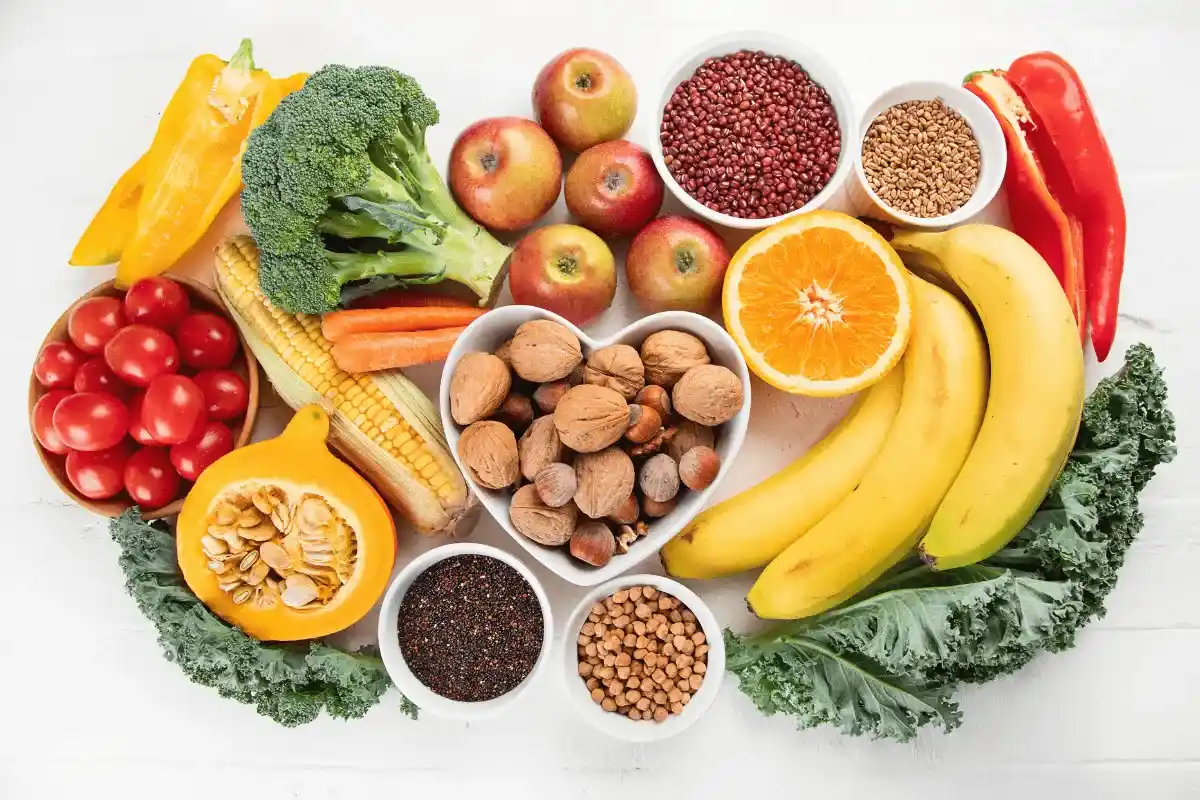
7.3. Increase Fiber Intake
Beneficial bacteria feed on fiber.
Eat more:
- Fruits
- Vegetables
- Beans
- Oats
- Whole grains
- Nuts and seeds
Fiber helps healthy bacteria grow and thrive.
7.4. Reduce Processed Foods and Sugar
Too much sugar and ultra-processed food may negatively affect microbial balance.
Try limiting:
- Sugary snacks
- Soft drinks
- Fried foods
- Refined carbohydrates
- Packaged junk food
7.5. Maintain a Healthy Lifestyle
Daily habits strongly influence gut health.
Focus on:
- Regular exercise
- Adequate sleep
- Stress reduction
- Hydration
- Consistent meal timing
These habits support a stronger and more balanced microbiome.
8. When to See a Doctor
Consult a healthcare professional if you experience:
- Persistent digestive pain
- Blood in stool
- Severe constipation
- Unexplained weight loss
- Ongoing fatigue
- Symptoms that continue despite lifestyle changes
These may indicate a condition beyond bacterial imbalance.
9. FAQs
9.1. How do I know if my gut bacteria are unhealthy?
Common signs include bloating, constipation, frequent sickness, fatigue, and skin issues.
9.2. Can probiotics help immediately?
Some people notice benefits within days, while others need several weeks.
9.3. What foods naturally contain good bacteria?
Yogurt, kefir, kimchi, tempeh, and other fermented foods.
9.4. Can gut health affect mood?
Yes. The gut and brain are connected, and gut imbalance may influence mood and focus.
10. Conclusion
A lack of beneficial bacteria can affect digestion, immunity, energy, and skin health. Signs such as bloating, constipation, frequent illness, fatigue, and acne should not be ignored.
By adding probiotics, eating fiber-rich foods, reducing processed foods, and improving daily habits, you can help restore gut balance and support long-term wellness.