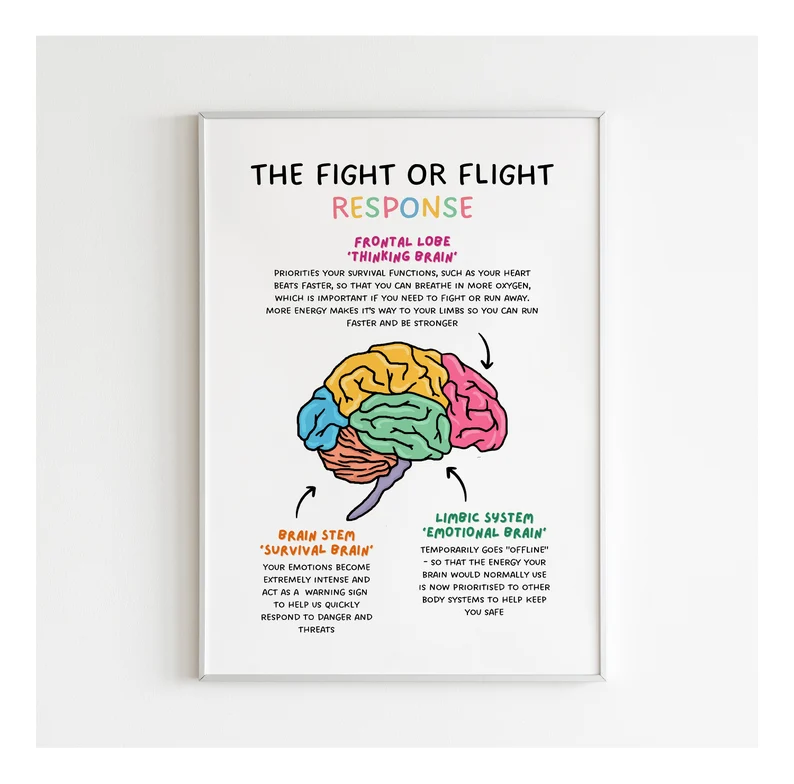
Your brain might react when your boss calls you in during a meeting and your heart races. Your mind goes blank, even though you know the answer. Or when a loved one speaks harshly, and before you know it, you’ve reacted defensively.
These reactions can feel automatic—as if your body responds before your mind has time to think. In many ways, that’s exactly what happens.
Your brain is built to prioritize survival before logic. When stress or conflict appears, the brain may trigger an emotional reaction before the rational mind catches up. This is not weakness or a character flaw. It is part of how the nervous system works—especially after chronic stress or trauma.
The good news: your brain can change.
1. Why You React Before You Think
When you face stress, your brain quickly decides whether something feels safe or dangerous. This process happens in milliseconds, often outside conscious awareness.
If your nervous system has been shaped by chronic stress or past trauma, it may become more sensitive—reacting strongly even when the current situation is not truly threatening.
This is why you may:
- Freeze during pressure
- Overreact to criticism
- Feel anxious in safe situations
- Become defensive quickly
- Struggle to think clearly under stress
Your brain is not broken. It is trying to protect you.
2. How Stress and Trauma Affect the Brain
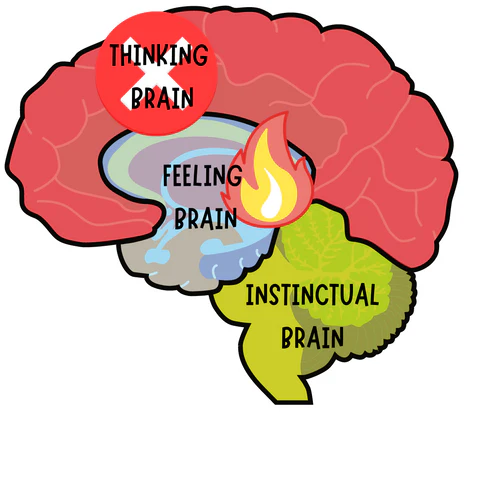
Several key brain regions are involved in emotional reactions and stress responses.
2.1. Amygdala: The Brain’s Alarm System
The amygdala acts like an internal alarm.
Its job is to scan for danger and activate survival responses such as:
- Fight
- Flight
- Freeze
- Fawn
When trauma or repeated stress is present, the amygdala can become overactive. It may interpret small stressors as major threats.
Example:
You receive feedback from your boss. Instead of seeing it as helpful input, your body reacts as if you are under attack.
3. Hippocampus: The Memory Center
The hippocampus helps organize memories and distinguish past from present.
Under long-term stress, it may struggle to separate old experiences from current reality.
Example:
A difficult childhood experience with authority figures may cause anxiety around supportive supervisors today.
4. Prefrontal Cortex: The Thinking Brain
The prefrontal cortex handles:
- Reasoning
- Focus
- Planning
- Emotional regulation
- Decision-making
During stress, the amygdala can temporarily overpower this area, making it harder to think clearly.
Example:
Someone startles you unexpectedly. You jump first, then realize it was only a friend.
5. What Chronic Stress Can Lead To
When stress is intense or prolonged, it can become harder for the body to return to balance. This may contribute to:
- Anxiety
- Depression
- Irritability
- Sleep problems
- Brain fog
- Emotional overwhelm
- Physical tension
Without support, these patterns may continue automatically.
6. The Good News: Your Brain Can Rewire Itself
Thanks to neuroplasticity, the brain is always adapting.
That means even if your reactions feel automatic now, new habits and experiences can help build calmer, healthier responses over time.
You can learn to respond instead of react.
7. How to Rewire Your Brain for Resilience
7.1. Practice Mindful Pauses
When triggered, pause before reacting.
Try this breathing exercise:
- Inhale for 4 seconds
- Hold for 2 seconds
- Exhale for 6 seconds
This can help calm the nervous system and re-engage the thinking brain.
7.2. Reframe the Threat
Ask yourself:
- Is this situation truly dangerous?
- Or is my brain reacting to an old pattern?
This simple question creates space between emotion and action.
7.3. Practice Self-Compassion
Many people respond to stress with self-criticism. But kindness toward yourself can reduce stress and calm emotional reactivity.
Try saying:
This is a hard moment.
I am safe.
I am doing my best.
Supportive self-talk activates the brain’s soothing systems.
7.4. Build Daily Regulation Habits
Small habits strengthen resilience over time:
- Quality sleep
- Regular movement
- Healthy boundaries
- Journaling
- Meditation
- Therapy or coaching
- Time in nature
Consistency matters more than perfection.

8. Your Brain Is Not Stuck
If it feels like your reactions control you, remember this: change is possible.
Understanding how stress and trauma affect the brain is the first step. The next step is learning skills that help your nervous system feel safe again.
With practice, patience, and support, you can shift from survival mode into a life guided by clarity, resilience, and self-compassion.
9. FAQs
9.1. Why do I panic before I can think?
Your amygdala may detect threat before the thinking brain fully processes the situation.
9.2. Can trauma change the brain?
Yes. Trauma can influence stress responses, memory systems, and emotional regulation—but healing is possible.
9.3. How long does it take to rewire stress responses?
It varies. Consistent practice over time can create meaningful changes.
9.4. Is therapy helpful for trauma responses?
Yes. Many people benefit from trauma-informed therapy, nervous system work, and mindfulness practices.
10. Conclusion
Stress and trauma can cause the brain to react automatically before the logical mind has time to respond. These patterns are rooted in survival mechanisms, not personal weakness. Understanding how the amygdala, hippocampus, and prefrontal cortex work together is the first step toward meaningful change. Through mindfulness, self-compassion, healthy habits, and consistent practice, the brain can build new pathways that support calmness, resilience, and clearer thinking. No matter how automatic your reactions feel today, healing and growth are always possible.