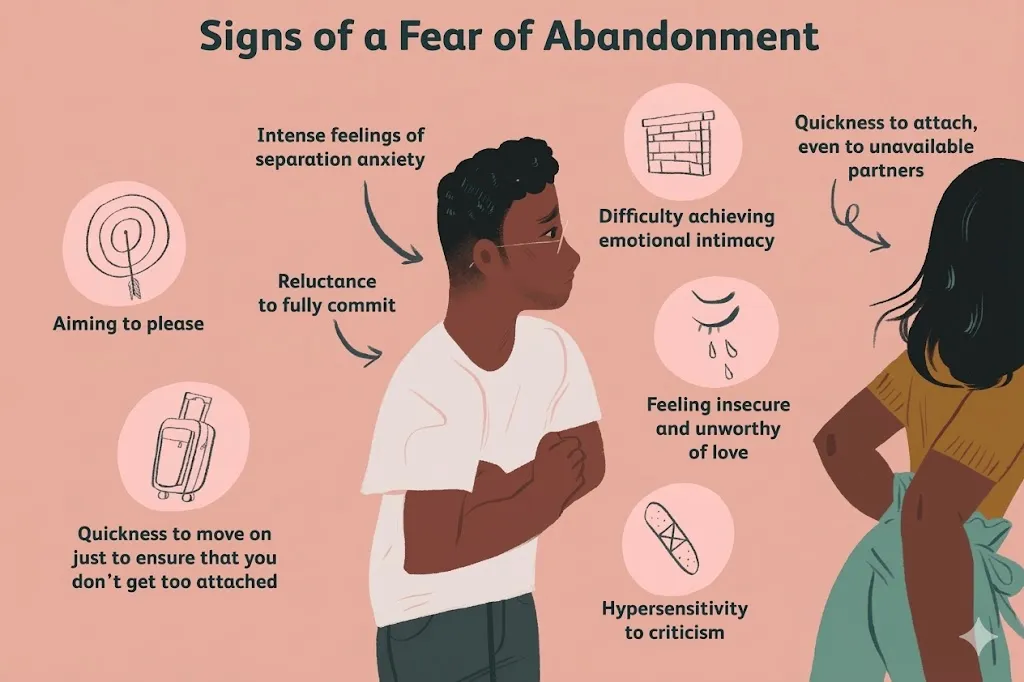
Fear of abandonment is a deep and often overwhelming anxiety that the people you love will leave you—either physically or emotionally. While it may not be an official diagnosis, it is one of the most common and impactful emotional struggles affecting relationships today.
This fear can lead to behaviors that unintentionally push others away, creating the very outcome you fear most. Understanding it is the first step toward healing.
1. What Is Fear of Abandonment?
Fear of abandonment is a form of relationship anxiety where individuals constantly worry about being rejected, left behind, or unloved.
It often stems from past experiences such as trauma, loss, or inconsistent emotional support, especially during childhood.
2. Symptoms of Fear of Abandonment
People experiencing abandonment issues may show the following patterns:
- Forming attachments very quickly
- Avoiding long-term commitment
- Fear of emotional closeness
- Constant need for reassurance
- People-pleasing behaviors
- Intense jealousy or insecurity
- Overthinking and fear of hidden meanings
- Sensitivity to criticism
- Self-blame and low self-worth
Many also experience anxiety, depression, and difficulty trusting others.

3. What Causes Fear of Abandonment?
3.1. Childhood Experiences
Early life plays a crucial role in shaping emotional security.
Common contributing factors include:
- Neglect or lack of affection
- Loss of a loved one
- Emotional distance from caregivers
- Abuse or abandonment
These experiences can affect how a person views relationships later in life.
3.2. Anxious Attachment Style
An insecure or inconsistent caregiving environment can lead to an anxious attachment style.
People with this style:
- Crave closeness but fear rejection
- Struggle to trust others
- Constantly seek validation
3.3. Mental Health Conditions
Fear of abandonment is often linked to conditions like Borderline Personality Disorder and separation anxiety.
In particular, individuals with Borderline Personality Disorder may experience intense fear of being left alone.
3.4. Object Constancy Issues
Object constancy refers to the ability to maintain emotional connection with someone even when they are not physically present.
If this ability is disrupted during childhood, individuals may feel insecure when separated from loved ones.
3.5. Past Trauma and Life Changes
Experiences such as:
- Breakups
- Death of a loved one
- Sudden life transitions
can reinforce fears of abandonment, especially if they were emotionally intense.
4. Effects on Relationships
Fear of abandonment can create a cycle that damages relationships:
4.1. Common Patterns
- Becoming overly clingy or dependent
- Pushing others away to avoid being hurt
- Misinterpreting small situations (e.g., delayed messages)
- Emotional overreactions
Ironically, these behaviors may lead to relationship breakdowns, reinforcing the fear.
5. Treatment Options
5.1. Cognitive Behavioral Therapy (CBT)
Helps replace negative thought patterns with healthier, realistic beliefs.
5.2. Attachment-Based Therapy
Focuses on building secure emotional connections and trust.
5.3. Behavioral Therapy
Identifies harmful behavior patterns and teaches coping strategies.
5.4. Play Therapy (for children)
Uses interactive methods to help children express emotions safely.
Professional therapy is often the most effective way to address deep-rooted abandonment issues.

6. Coping Strategies for Fear of Abandonment
6.1. Build a Support System
- Don’t rely on just one person
- Develop friendships and community connections
- Create a sense of belonging
6.2. Find Like-Minded People
Engage in hobbies, passions, and activities to meet people who share your interests.
This helps build confidence and meaningful relationships.
6.3. Practice Self-Compassion
- Replace negative self-talk with positive thoughts
- Recognize your worth and emotional needs
- Be kind to yourself during difficult moments
6.4. Challenge Negative Thinking
Instead of assuming the worst, ask:
- Is there real evidence?
- Could there be another explanation?
This reduces overthinking and anxiety.
7. Conclusion
Fear of abandonment can feel overwhelming, but it does not have to control your life. With the right support, awareness, and coping strategies, you can build healthier relationships and a stronger sense of self.
True emotional security doesn’t come from others never leaving—it comes from knowing you will be okay, no matter what.