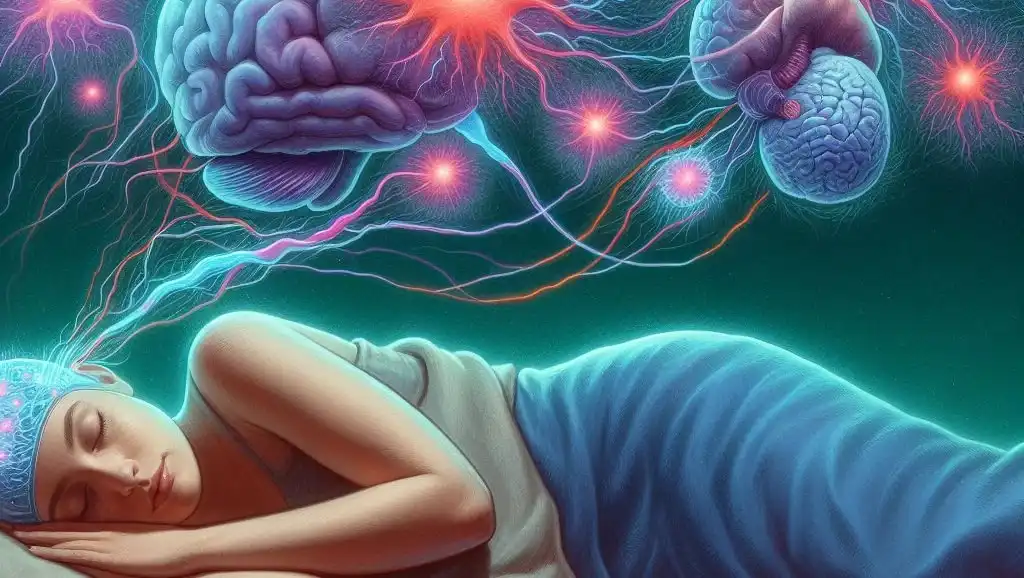
Sleep deprivation is far more than just feeling tired—it profoundly alters brain function at the molecular, cellular, and systems levels. From impaired memory to emotional instability, the effects of sleep loss reveal why quality sleep is essential for optimal brain health. This SEO-optimized guide explores the neuroscience behind sleep deprivation, breaking down how it impacts neural circuits, neurotransmitters, and cognitive performance.
1. What Happens to Your Brain When You Don’t Sleep?
Sleep plays a critical role in maintaining brain homeostasis, memory consolidation, and emotional regulation. Without sufficient rest, the central nervous system (CNS) undergoes significant disruption, leading to cognitive decline and long-term neurological risks.
2. Synaptic Homeostasis and Brain Plasticity
During wakefulness, your brain strengthens synaptic connections through learning and experience. However, this process increases energy demand and cellular stress.
Sleep—especially slow-wave sleep (SWS)—helps “reset” the brain through a process called synaptic downscaling, which removes unnecessary connections and restores efficiency.
Without sleep:
- Synapses remain overloaded
- Signal-to-noise ratio decreases
- Learning ability declines
- Neuroplasticity weakens
3. Memory Loss and Hippocampal Dysfunction
The hippocampus, responsible for memory formation, is highly sensitive to sleep deprivation.
During deep sleep, the brain transfers memories from short-term storage (hippocampus) to long-term storage (neocortex). Sleep loss disrupts this process.
Effects include:
- Reduced memory consolidation
- Impaired learning
- Decreased hippocampal activity
- Poor recall and retention
4. Prefrontal Cortex Fatigue and Poor Decision-Making
The prefrontal cortex (PFC) controls critical thinking, decision-making, and focus. Sleep deprivation reduces glucose metabolism in this region, causing a “metabolic crisis.”
Consequences:
- Reduced attention span
- Poor judgment
- Impulsivity
- Decreased problem-solving ability
5. Neurotransmitter Imbalance
Sleep deprivation disrupts key brain chemicals:
- Adenosine: Builds sleep pressure but becomes dysregulated
- Dopamine: Reduced levels affect motivation and reward
- Norepinephrine: Increased levels cause stress and hyper-alertness
- Serotonin: Imbalance leads to mood disorders
Result: Mental fatigue, low motivation, and emotional instability.
6. Emotional Instability and Amygdala Overactivity
Brain scans show that sleep deprivation increases amygdala activity by up to 60%, making emotional responses more intense.
At the same time, the connection between the amygdala and prefrontal cortex weakens.
This leads to:
- Overreaction to stress
- Mood swings
- Anxiety and irritability
- Poor emotional control
7. Glymphatic System Failure: Toxin Buildup in the Brain
The brain’s glymphatic system removes waste during sleep.
During deep sleep:
- Brain cells shrink
- Fluid flow increases
- Toxins like beta-amyloid are cleared
Without sleep:
- Toxic proteins accumulate
- Risk of neurodegenerative diseases (like Alzheimer’s) increases
8. Neuroinflammation and Oxidative Stress
Sleep deprivation activates the brain’s immune response:
- Increased inflammatory cytokines (IL-6, TNF-α)
- Activation of microglia
- Build-up of reactive oxygen species (ROS)
Effects:
- Brain cell damage
- Cognitive decline
- Increased risk of neurological disorders
9. White Matter Damage and Brain Connectivity Issues
Chronic sleep deprivation affects white matter integrity, which is essential for communication between brain regions.
Findings show:
- Reduced structural organization
- Impaired neural communication
- Long-term cognitive deficits
10. Circadian Rhythm Disruption
The brain’s internal clock (controlled by the suprachiasmatic nucleus) becomes misaligned with sleep patterns.
This causes:
- Hormonal imbalance
- Irregular sleep cycles
- Disrupted gene expression
- Reduced overall brain efficiency
11. Reduced Neurogenesis (Brain Cell Growth)
Sleep is essential for generating new brain cells, especially in the hippocampus.
Sleep deprivation:
- Reduces neuron growth
- Lowers BDNF (brain growth factor)
- Impairs brain repair and regeneration

12. Conclusion: Why Sleep Is Essential for Brain Health
The neuroscience is clear—sleep deprivation damages the brain at every level. From memory loss and emotional instability to toxin buildup and inflammation, the sleep-deprived brain cannot function optimally.