
Brain fog is a term used to describe a group of symptoms that affect your cognitive function. It can make it difficult to think clearly, focus, remember information, and stay mentally sharp.
Although brain fog is not a medical condition itself, it is often a symptom of underlying health issues, lifestyle factors, or temporary imbalances in the body.
1. Common Symptoms of Brain Fog
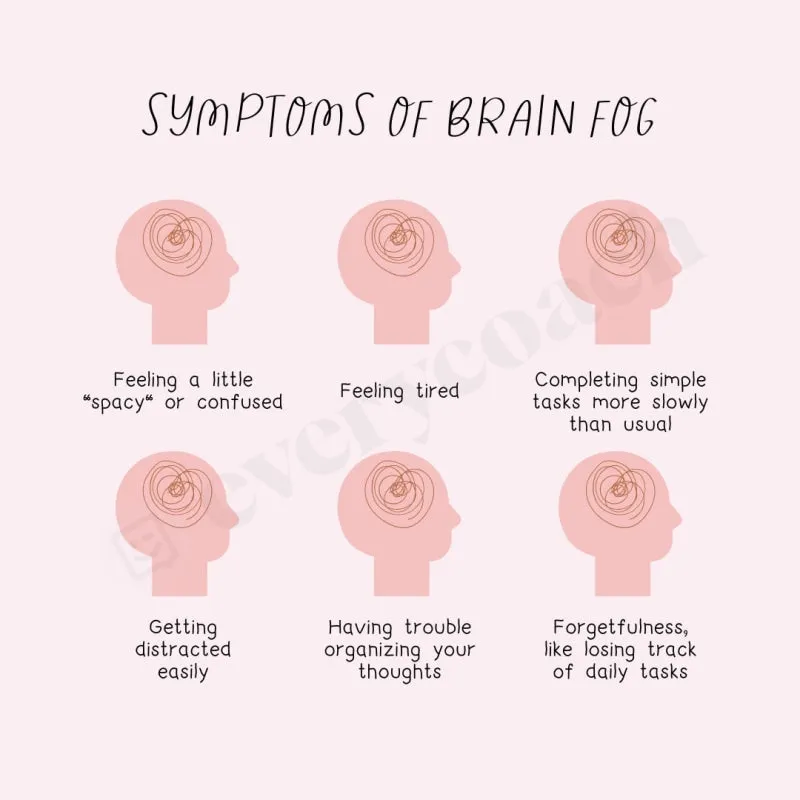
Brain fog can feel different for everyone, but the most common symptoms include:
- Difficulty concentrating or focusing
- Memory problems or forgetfulness
- Losing your train of thought mid-conversation
- Mental fatigue and low energy
- Slower thinking and reaction time
- Trouble finding the right words
- Confusion or lack of clarity
- Reduced attention span
These symptoms brain fog can interfere with daily tasks, work productivity, and overall quality of life.

2. What Causes Brain Fog?
There are many possible causes of brain fog, including:
2.1. Lack of Sleep
Poor sleep quality or insufficient sleep can significantly impact memory, attention, and mental clarity.
2.2. Stress and Anxiety
Chronic stress increases cortisol levels, which can impair brain function and focus.
2.3. Poor Nutrition
Deficiencies in key nutrients like B vitamins, omega-3 fatty acids, and iron can affect cognitive performance.
2.4. Hormonal Changes
Hormonal fluctuations during pregnancy, menopause, or thyroid disorders can trigger brain fog.
2.5. Medical Conditions
Certain health issues are linked to brain fog, such as:
- Diabetes
- Autoimmune diseases (like lupus or multiple sclerosis)
- Neurological disorders
2.6. Medication Side Effects
Some treatments, including chemotherapy, may cause temporary cognitive impairment.
2.7. Post-COVID Effects (Long COVID)
Brain fog is a common symptom after COVID-19 infection. Research suggests it may be linked to gut microbiome changes and reduced serotonin production.
3. How Long Does Brain Fog Last?
The duration of brain fog varies:
- It may last a few days or weeks
- In some cases, it can persist for months or longer
If symptoms continue or worsen, it’s important to consult a healthcare provider.

4. How to Get Rid of Brain Fog
There’s no single cure for brain fog, but you can improve symptoms with these strategies:
4.1. Improve Your Sleep
- Aim for 7–9 hours of sleep per night
- Maintain a consistent sleep schedule
4.2. Eat a Brain-Healthy Diet
- Include foods rich in omega-3s, antioxidants, and vitamins
- Limit processed foods and sugar
4.3. Exercise Regularly
- At least 30 minutes of physical activity daily
- Boosts blood flow and brain function
4.4. Stay Organized
- Write down tasks and important information
- Use planners or digital tools
4.5. Take Regular Breaks
- Avoid mental overload
- Take short breaks every 30–60 minutes
4.6. Practice Mindfulness or Meditation
- Reduces stress and improves focus
- Even 5–10 minutes daily can help
4.7. Treat Underlying Conditions
If brain fog is linked to a medical issue, a doctor may recommend:
- Medications (e.g., antidepressants, anti-inflammatory drugs)
- Targeted therapies
5. Can You Prevent Brain Fog?
While you can’t always prevent brain fog, you can reduce your risk by:
- Getting enough sleep
- Managing stress effectively
- Maintaining a balanced diet
- Exercising regularly
- Staying mentally active
Getting vaccinated against COVID-19 may also help reduce the risk of long-term cognitive symptoms.
6. When Should You See a Doctor?
Seek medical advice if you experience:
- Persistent memory problems
- Difficulty concentrating that affects daily life
- Frequent confusion or mental fatigue
- Symptoms that don’t improve over time
A healthcare provider can help identify the root cause and recommend appropriate treatment.
7. Conclusion
Brain fog is a common but bothersome condition that can affect your ability to think clearly and function effectively. Although it is usually temporary, understanding the causes of brain fog and taking proactive steps can help restore mental clarity and improve your overall health to avoid brain fog.