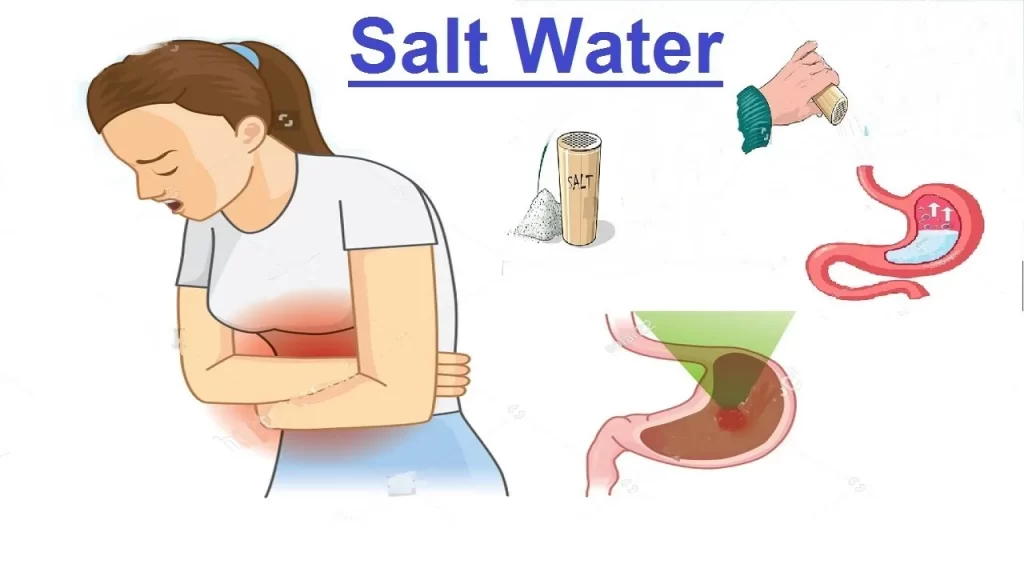
Salt is everywhere in modern diets—especially in processed and fast foods. While it enhances flavor, consuming too much salt can quietly harm your health.
So, what really happens when you overindulge in salt?
This article explores the impact of excess sodium, including short-term symptoms, long-term risks, and practical ways to reduce sodium intake without losing the flavor of salt.
1. Understanding Salt: More Than Just Flavor
Salt, or sodium chloride, is an essential mineral that supports many vital functions in the body, including:
- Fluid balance – Helps maintain proper hydration levels
- Nerve function – Supports communication between brain and body
- Muscle contraction – Essential for movement and physical activity
However, the body only needs salt small amounts of sodium:
- Recommended: 1,500 mg/day
- Maximum: 2,300 mg/day
Most people exceed this limit—often without realizing how harmful salt can be
2.What Happens When You Eat Too Much Salt?
2.1. High Blood Pressure (Hypertension)
Excess sodium causes your body to retain water, increasing blood volume. This puts extra pressure on blood vessels, leading to high blood pressure, a major risk factor for serious health issues.
2.2. The risk of heart disease increases from salt
A high-sodium diet is strongly linked to:
- Heart attack
- Stroke
- Atherosclerosis (hardened arteries)
Over time, this can lead to life-threatening cardiovascular conditions.
2.3. Kidney Damage
Your kidneys filter excess sodium. Too much salt can:
- Overwork the kidneys
- Reduce their efficiency
- Increase the risk of kidney disease and kidney stones
3. Short-Term Effects of Too Much Salt
Even one salty meal can cause noticeable symptoms:
3.1. Bloating and Water Retention
Excess sodium causes the body to hold onto water, leading to salt
Swelling (especially in hands, feet, and abdomen)
A heavy, bloated feeling salt
3.2. Salt Increased Thirst and Dehydration
Your body tries to dilute excess sodium by making you thirsty. If you don’t drink enough water, dehydration may occur.
3.3. Headaches
High sodium intake may trigger:
- Tension headaches
- Migraine-like symptoms
This is often linked to dehydration and increased blood pressure.
4. Common High-Sodium Foods to Watch Salt
Many everyday foods are surprisingly high in salt:
- Processed snacks (chips, pretzels)
- Packaged meals
- Fast food
- Condiments (soy sauce, ketchup, salad dressings)
Tip: Always read nutrition labels carefully.
5. How to Reduce Sodium Intake
You don’t have to sacrifice flavor to eat healthier. Try these strategies:
5.1. Cook More at Home
Control your salt intake by preparing meals yourself. Use:
- Herbs
- Spices
- Lemon juice
5.2. Choose Fresh Foods
Fresh fruits, vegetables, and whole grains naturally contain less sodium than processed foods.
5.3. Rinse Canned Foods
Rinsing canned beans or vegetables can reduce sodium content significantly.
6. Sodium Sensitivity: Why It Matters
Not everyone reacts to salt the same way. Some people are more sensitive, meaning their blood pressure rises more easily.
6.1. Risk factors include:
- Genetics
- Aging
- Chronic conditions (diabetes, kidney disease, heart disease)
If you fall into these groups, limiting sodium is even more important.
7. FAQs
7.1. What are the immediate effects of eating too much salt?
You may experience bloating, thirst, headaches, and temporary increases in blood pressure.
7.2. Can too much salt cause long-term health problems?
Yes. It can increase the risk of heart disease, stroke, and kidney damage.
7.3. Does salt cause weight gain?
It can cause temporary weight gain due to water retention, not fat.
7.4. How can I reduce my salt intake?
Cook at home, avoid processed foods, and use herbs and spices instead of salt.
7.5. Is sea salt healthier than table salt?
No. Both contain similar sodium levels and should be consumed in moderation.