Blood pressure plays a vital role in maintaining overall health. While much attention is given to high blood pressure, low blood pressure (hypotension) can also lead to uncomfortable symptoms—including headaches.
So, can low blood pressure actually cause headaches? The answer is yes. When blood pressure drops too low, it may reduce blood flow to the brain, triggering symptoms like dizziness, fatigue, and head pain.
This guide explores the connection between low blood pressure and headaches, along with causes, symptoms, prevention tips, and when to seek medical care.
1. Understanding Blood Pressure
Blood pressure measures the force of blood against artery walls during heartbeats. It includes:
- Systolic pressure (top number): Pressure when the heart beats
- Diastolic pressure (bottom number): Pressure when the heart rests
Normal blood pressure: Below 120/80 mmHg
Low blood pressure: Often considered below 90/60 mmHg
2. Can Low Blood Pressure Cause Headaches?
Yes, low blood pressure can cause headaches.
When blood pressure drops, the brain may not receive enough oxygen-rich blood. This reduced circulation can lead to:
- Dull or throbbing headaches
- Lightheadedness
- Difficulty concentrating
However, headaches can have many causes, so hypotension is just one possible factor.
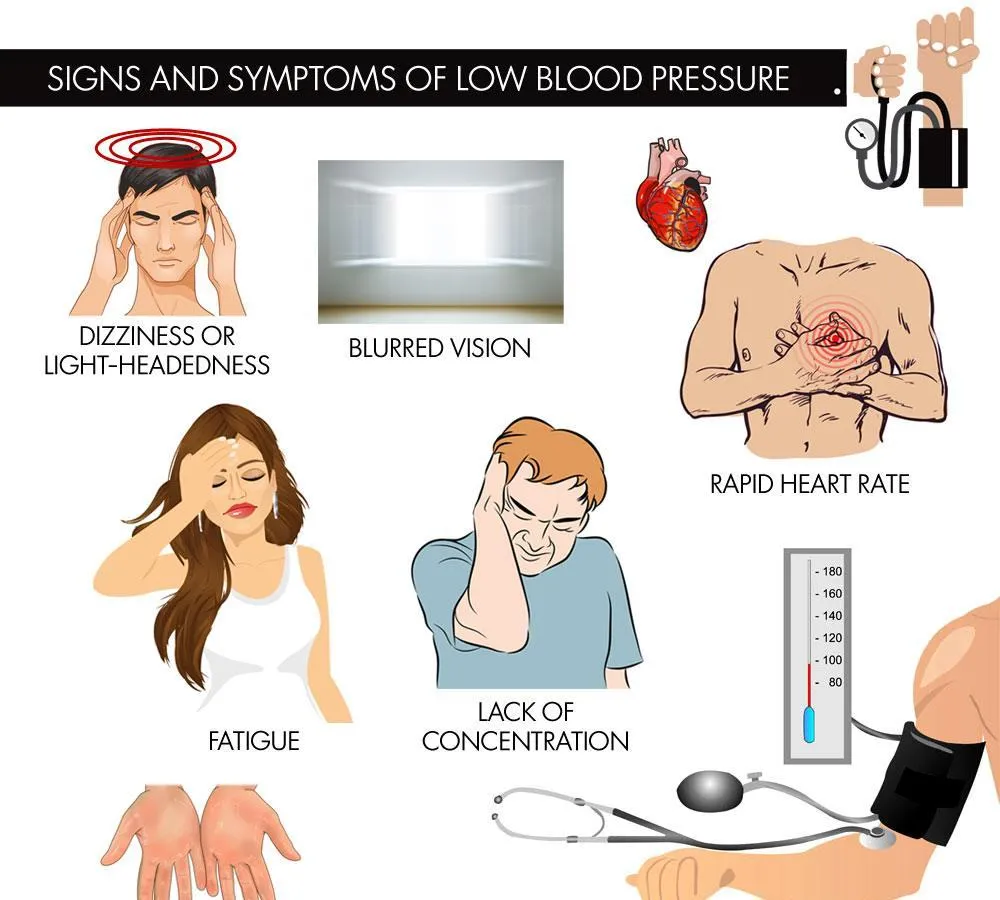
3. Symptoms of Low Blood Pressure
Low blood pressure often comes with a range of symptoms, including:
- Dizziness or lightheadedness
- Fatigue or weakness
- Headaches
- Nausea
- Blurred vision
- Confusion
- Fainting
- Pale, cold, or clammy skin
4. Causes of Sudden Drops in Blood Pressure
Sudden drops in blood pressure are more likely to cause noticeable symptoms.
4.1. Orthostatic Hypotension (Postural Hypotension)
This occurs when blood pressure drops after standing up from sitting or lying down.
Common causes include:
- Dehydration
- Medications (especially for high blood pressure)
- Nervous system disorders
- Parkinson’s disease
4.2. Serious Causes
Sudden hypotension may be life-threatening in some cases:
- Severe dehydration
- Internal bleeding
- Severe allergic reactions (anaphylaxis)
- Sepsis (infection response)
- Heart rhythm problems
- Heart attack
- Pulmonary embolism
5. Causes of Chronic Low Blood Pressure
Long-term hypotension can also lead to recurring headaches.
Common causes include:
- Dehydration
- Certain medications
- Pregnancy
- Thyroid disorders (hypothyroidism)
- Adrenal insufficiency (Addison’s disease)
- Nutritional deficiencies (B12, iron, folate)
- Chronic illnesses (e.g., liver disease, Long COVID)
- Postural Orthostatic Tachycardia Syndrome (POTS)
6. How to Prevent Headaches from Low Blood Pressure
If hypotension is causing your headaches, these strategies can help:
6.1. Stay Hydrated
- Drink enough water daily
- Monitor urine color (light yellow = well-hydrated)
6.2. Improve Nutrition
- Ensure adequate intake of:
- Vitamin B12
- Iron
- Folate
- Increase salt intake if advised by a doctor
6.3. Lifestyle Adjustments
- Stand up slowly
- Eat smaller, frequent meals
- Exercise regularly
- Use compression stockings if needed
6.4. Review Medications
- Talk to your doctor about possible side effects
- Adjust dosages if necessary
6.5. Medical Treatment
In some cases, doctors may prescribe medications such as:
- Midodrine
- Fludrocortisone
7. When to See a Doctor
Seek medical attention immediately if low blood pressure is accompanied by:
- Fainting
- Chest pain
- Rapid heartbeat
- Shortness of breath
- Severe dizziness
- Signs of dehydration
Even mild but persistent symptoms should be evaluated by a healthcare provider.
8. Conclusion
Low blood pressure is often overlooked, but it can significantly impact your well-being—including causing headaches and other uncomfortable symptoms. While it may not always be dangerous, sudden or persistent drops in blood pressure should never be ignored.
By understanding the causes, recognizing the warning signs, and adopting healthy lifestyle habits, you can better manage your blood pressure and reduce the risk of headaches. If symptoms interfere with your daily life, seeking medical advice is the best step toward effective treatment and long-term health.