
The best way to recover muscles after a workout is to combine science-based strategies in nutrition, movement, hydration, and sleep—starting within the first 60 minutes after exercise.
Research shows that recover muscles post-workout recovery is just as important as the workout itself for muscle growth, strength gains, and injury prevention.
1. What Is Post-Workout Recovery? Why Does It Matter?
1.1. Post-workout recovery refers to everything you do after exercise to help your body:
- Repair muscle fibers recover muscles
- Restore energy (glycogen)
- Reduce inflammation
- Adapt and grow stronger
1.2. During training, your body experiences:
- Micro-tears in muscles
- Glycogen depletion
- Temporary inflammation
1.3. Proper recovery leads to:
- Faster muscle growth (hypertrophy)
- Reduced soreness (DOMS)
- Lower injury risk
- Better performance
1.4. Poor recovery leads to:
- Fatigue and burnout
- Increased injuries
- Slower progress

how-to-recover-muscles-after-exercise
2. 15 Science-Backed Tips for Muscle Recovery
2.1. Refuel With Protein & Carbs (Anabolic Window)
Consume nutrients within 30–60 minutes post-workout.
- 20–40g protein (whey, eggs, tofu)
- 40–60g carbs (rice, oats, fruit)
Helps rebuild muscle and restore glycogen quickly.
2.2. Hit Your Daily Protein Target
- Aim for 1.6–2.2g protein/kg body weight
- Spread across 4–5 meals
Protein is the foundation of muscle repair and growth.
2.3. Use Anti-Inflammatory Foods
Include:
- Omega-3s (salmon, chia seeds)
- Antioxidants (berries, green tea, turmeric)
Helps reduce soreness and speed healing.
2.4. Stay Hydrated & Replenish Electrolytes
- Drink water throughout the day
- Replace sodium, potassium, magnesium
- Prevents cramps, fatigue, and slow recovery.
2.5. Active Recovery (Light Movement)
- Walking, cycling, yoga (10–30 mins)
Improves circulation and reduces muscle soreness.
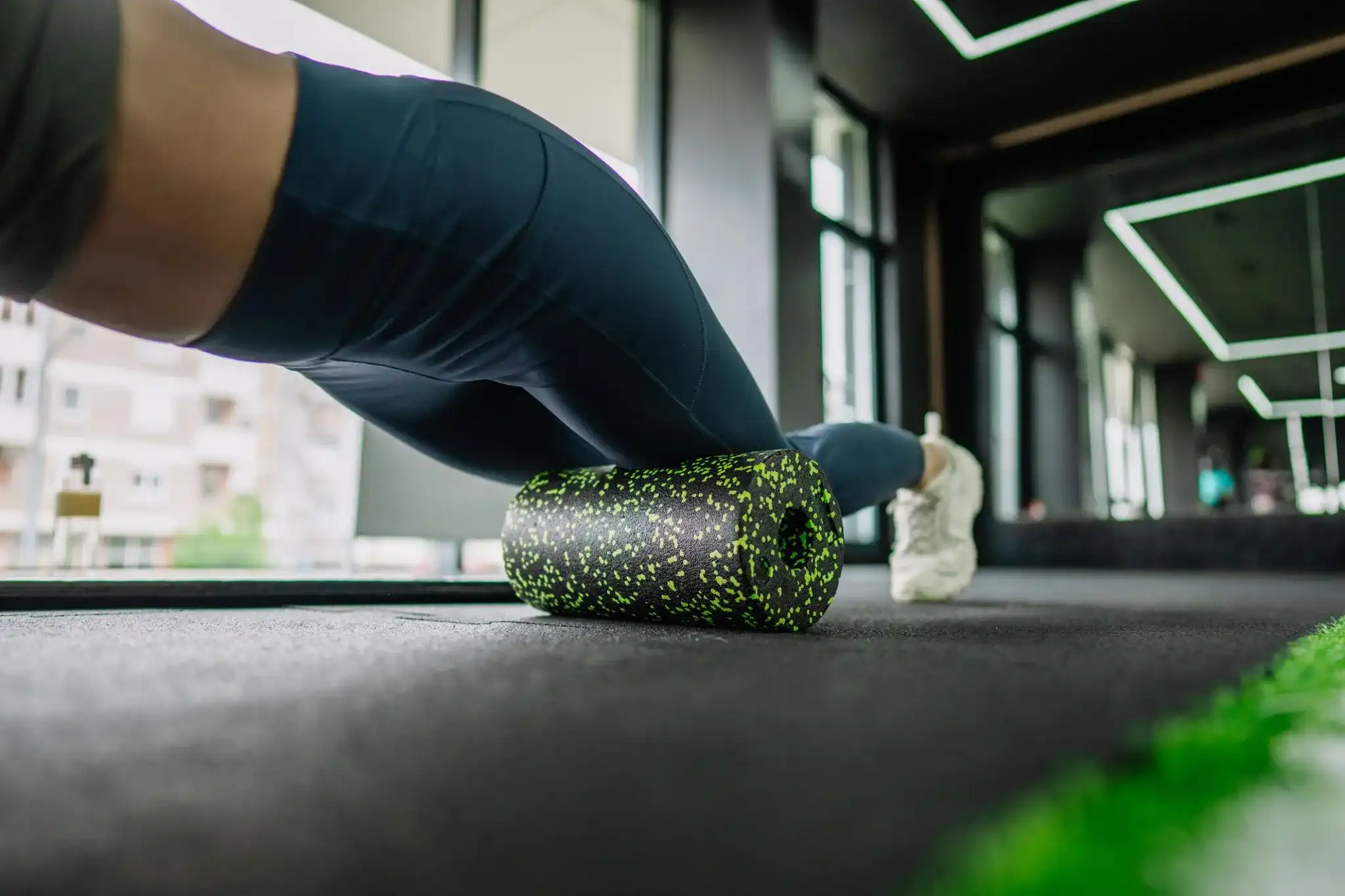
2.6. Foam Rolling & Stretching
- Foam roll 5–10 minutes
- Stretch each muscle 15–30 seconds
Reduces stiffness and improves flexibility.
2.7. Cold, Heat & Contrast Therapy
- Ice bath: reduce inflammation
- Hot bath: relax muscles
- Contrast: combine both
Speeds recovery and relieves pain.
2.8. Use Compression Garments
- Wear after intense workouts
Improves circulation and reduces swelling.
2.9. Massage & Self-Massage Tools
- Massage guns, foam rollers
Enhances blood flow and reduces soreness.
2.10. Optimize Sleep for Recovery
- Sleep 7–9 hours per night
- Keep room cool, dark, quiet
Most muscle repair and hormone release happen during sleep.

2.11. Take Rest Days & Rotate Muscle Groups
- Rest at least 1 day/week
- Allow 48 hours per muscle group
Prevents overtraining and injuries.
2.12. Track Recovery With Wearables
- Monitor HRV, heart rate, sleep
Helps adjust training intensity smartly.
2.13. Listen to Your Body
- Differentiate soreness vs injury
- Take rest when needed
Prevents long-term damage.
2.14. Balance Nutrient Intake
Include:
- Healthy fats (avocado, nuts)
- Vitamins & minerals
Supports full-body recovery.
2.15. Use Supercompensation
- Train again after 48–72 hours
Maximizes strength and performance gains.
3. Expert Recovery Timeline
| Time After Workout | What to Do |
|---|---|
| 0–60 minutes | Protein + carbs, hydrate |
| 1–3 hours | Light movement, snacks |
| Evening | Stretching, foam rolling |
| Before bed | Sleep optimization |
| Next day | Active recovery |
| 48–72 hours | Train again |
4. Conclusion
Muscle recovery is not optional—it’s essential for progress.
By applying these 15 science-backed recovery tips, you can:
- Build muscle faster
- Reduce injury risk
- Improve performance
- Stay consistent long-term
Start simple:
- Eat protein after workouts
- Stay hydrated
- Prioritize sleep
Then gradually add more strategies to optimize your recovery routine.