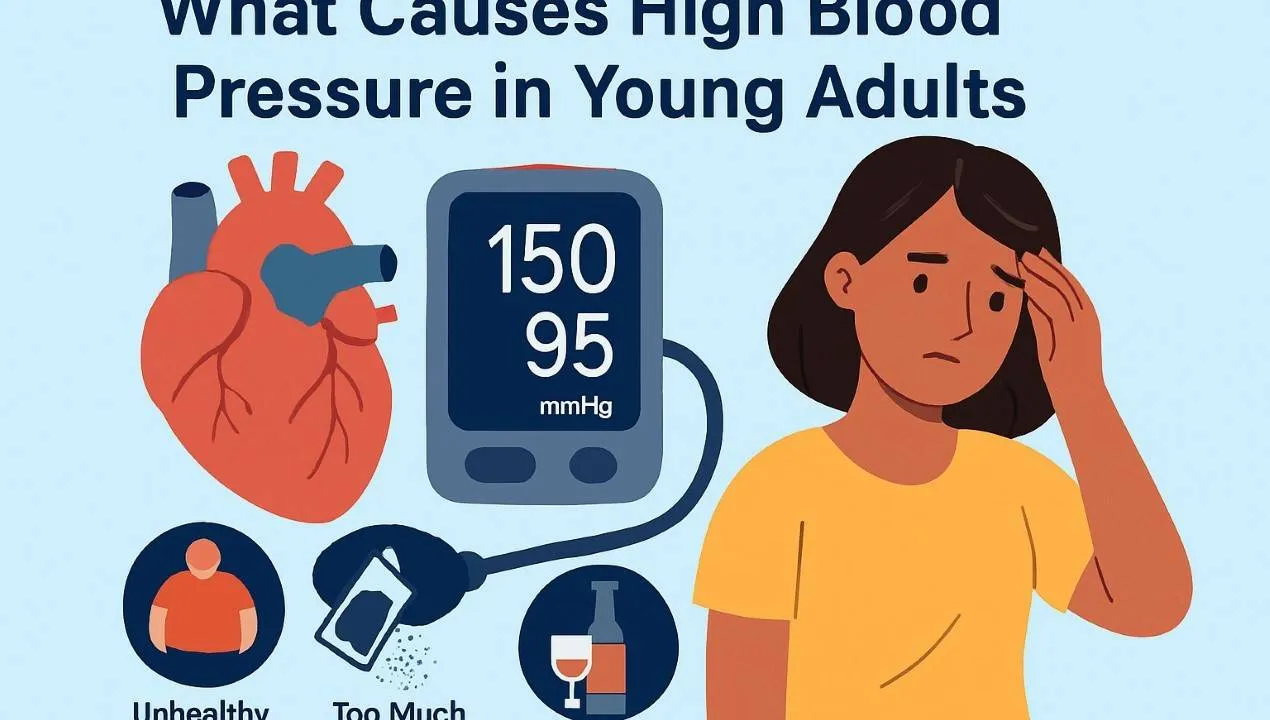
High blood pressure (hypertension) is often associated with older adults, but it increasingly affects younger people too. In fact, about 1 in 8 adults aged 20–40 has high blood pressure.
Hypertension occurs when the force of blood pushing against artery walls remains consistently high. Over time, this can damage blood vessels and vital organs such as the heart, brain, and kidneys.
1. Causes of High Blood Pressure in Young Adults
There are many contributing factors that can lead to high blood in younger individuals:
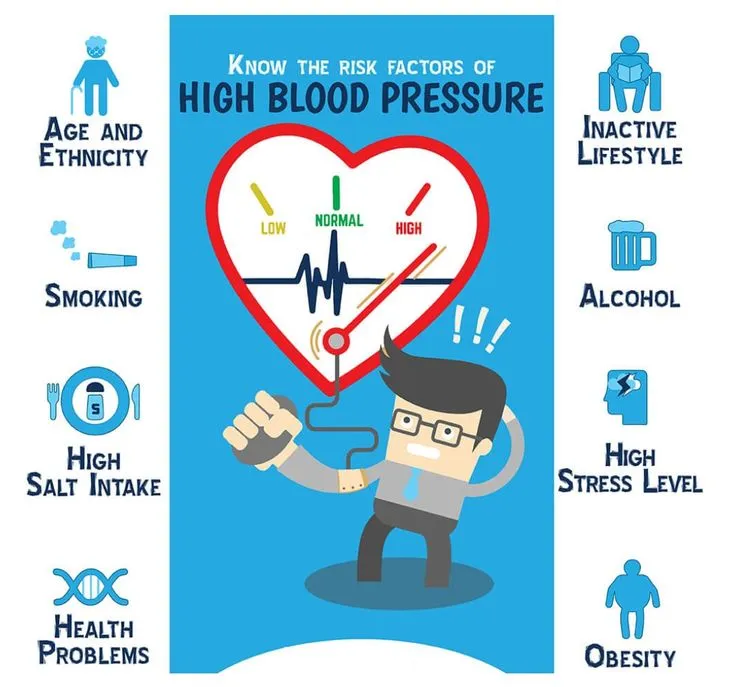
1.1. Obesity
- A BMI over 25 or high waist-to-hip ratio increases risk
- Excess body fat strains the cardiovascular system
1.2. Alcohol Consumption
- Frequent drinking raises blood pressure levels
- Reducing alcohol intake can significantly lower risk
1.3. Smoking
- Tobacco damages blood vessels and increases heart rate
- A major modifiable risk factor
1.4. Certain Medications
Some drugs may elevate blood pressure, including:
- Birth control pills (with estrogen)
- Antidepressants
- Nonsteroidal anti-inflammatory drugs (NSAIDs)
1.5. Illegal Drug Use
Substances such as:
- Cocaine
- Amphetamines
- Steroids
Can cause sudden or long-term spikes in blood pressure
1.6. High Salt Intake
- Consuming more than 10g of salt/day increases risk
- Leads to fluid retention and higher blood pressure
1.7. Lack of Physical Activity
- Sedentary lifestyle weakens heart health
- Recommended: 150 minutes of exercise/week
1.8. Underlying Health Conditions
- Kidney disease
- Hypothyroidism
- Sleep apnea
1.9. Diet (Red Meat Consumption)
- Frequent red meat intake linked to higher hypertension risk
1.10. Genetics
- Family history significantly increases your risk
2. Symptoms of High Blood Pressure
Hypertension is often called a “silent killer” because it may not cause noticeable symptoms.
2.1. Possible signs include:
- Morning headaches
- Nosebleeds
- Shortness of breath
- Dizziness
- Fatigue
- Chest pain
- Heart palpitations
2.2. Severe symptoms:
- Vision problems
- Nausea or vomiting
- Confusion
3. Complications of High Blood Pressure
If left untreated, hypertension can lead to serious health problems:
- Heart attack
- Stroke
- Kidney damage
- Eye damage
- Cognitive decline
- Atherosclerosis (narrowed arteries)
4. When to See a Doctor
You should seek medical advice if:
- Your blood pressure readings are consistently high
- You have symptoms like chest pain or dizziness
- You have a family history of hypertension
Adults aged 20+ should check blood pressure at least once a year
5. Diagnosis
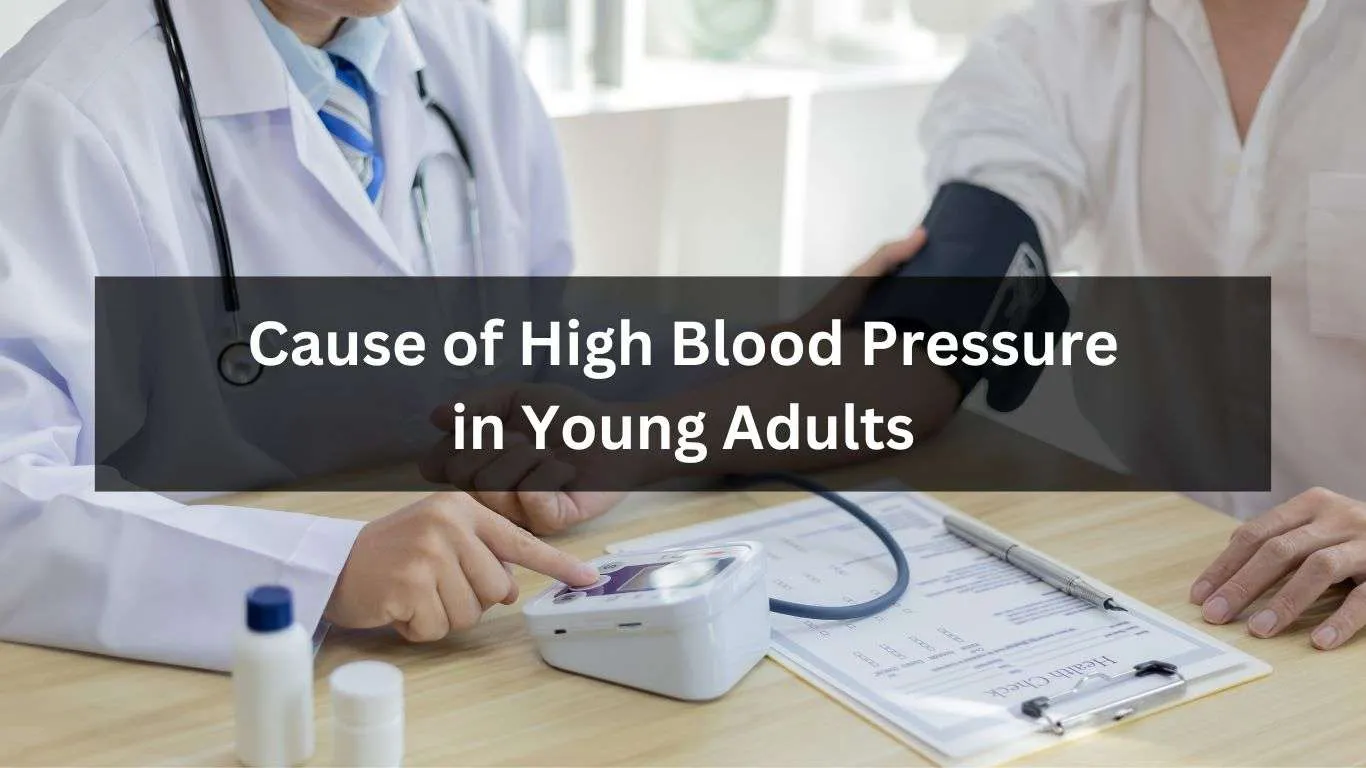
Doctors diagnose hypertension using a blood pressure cuff.
5.1. Blood pressure reading:
- Systolic (top number): Pressure during heartbeats
- Diastolic (bottom number): Pressure between beats
Normal: Below 120/80 mm Hg
Additional tests may include:
- Blood tests
- Urine tests
- Electrocardiogram (ECG)
- Echocardiogram
6. Treatment Options
6.1. Lifestyle Changes (First Line)
- Maintain healthy weight
- Eat balanced diet (e.g., DASH diet)
- Exercise regularly
- Reduce salt intake
- Quit smoking
- Limit alcohol
- Manage stress
6.2. Medications
If lifestyle changes aren’t enough, doctors may prescribe:
- ACE inhibitors
- Angiotensin II receptor blockers
- Calcium channel blockers
- Diuretics
- Beta-blockers
7. Prevention Tips
To reduce your risk of high blood pressure:
- Exercise regularly (≥150 minutes/week)
- Eat nutrient-rich foods
- Sleep 7–9 hours per night
- Reduce stress (meditation, yoga)
- Avoid smoking and excessive alcohol
8. FAQs
8.1. Can young adults get high blood pressure?
Yes, lifestyle, genetics, and health conditions can all contribute.
8.2. Is high blood pressure dangerous in young people?
Yes, it increases long-term risk of heart disease and stroke.
8.3. Can hypertension be reversed?
In many cases, lifestyle changes can significantly reduce or control it.
8.4. How often should I check my blood pressure?
At least once a year, or more often if at risk.
8.5. What is the best diet for lowering blood pressure?
The DASH diet is widely recommended.
9. Conclusion
High blood pressure in young adults is more common than many realize—and often goes unnoticed. Early detection, healthy lifestyle habits, and proper medical care are essential to prevent serious complications.
Take control of your health today by monitoring your blood pressure and making heart-healthy choices.