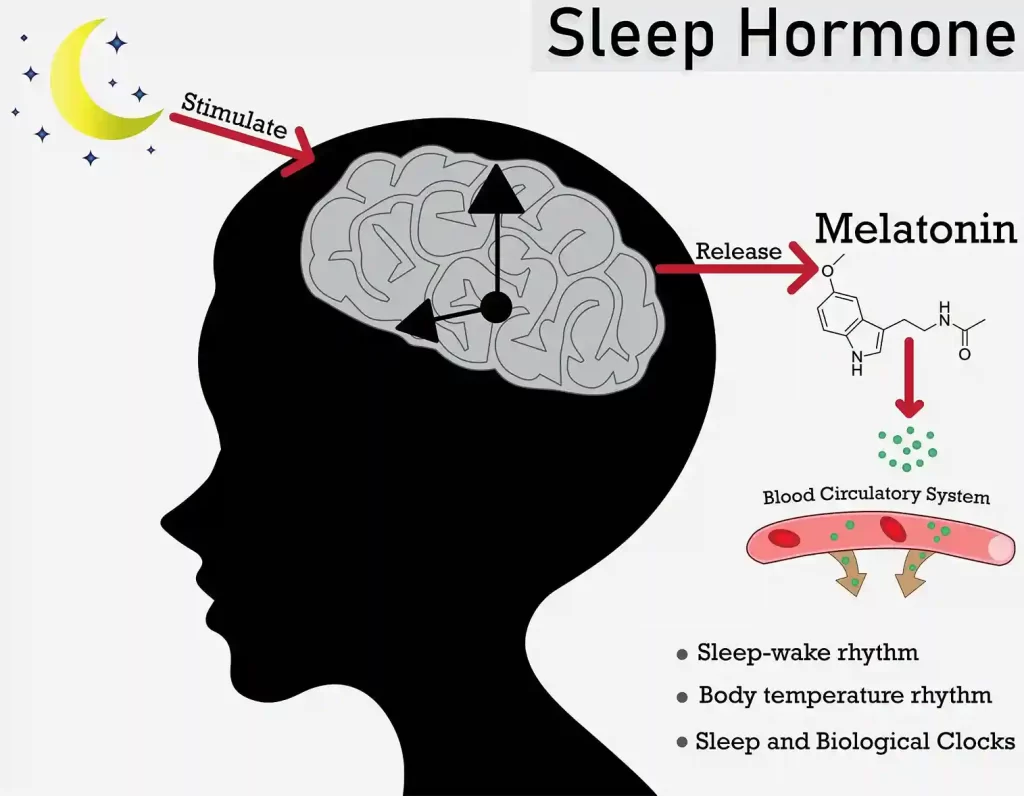
Room temperature affect sleep temperature a crucial role in how well you sleep. As you fall asleep, your core body temperature naturally drops by about 1°C (2°F) — a signal that helps your brain initiate and maintain sleep. When your bedroom environment supports this cooling process, you experience deeper, longer, and more restorative sleep.
The ideal sleep temperature for most adults is 60–67°F (15–19°C).
1. Why Your Body Cools Down at Night
Your body follows a natural circadian rhythm, a 24-hour cycle that regulates sleep and wakefulness.
- Body temperature peaks in the late afternoon
- Gradually drops in the evening
- Reaches its lowest point around 2:00–4:00 a.m.
This drop triggers the release of melatonin, the hormone that makes you feel sleepy.
To cool down, your body:
- Expands blood vessels in hands and feet
- Pushes heat toward the skin surface
- Releases heat into the surrounding environment
A cooler room helps this process, while a warm room makes your body work harder — disrupting sleep.

2. What Happens When the Room Is Too Hot?
Sleeping in a hot environment (above 70°F / 21°C) can significantly harm sleep quality.
Key Effects:
- Reduced deep sleep (body repair and recovery)
- Reduced REM sleep (dreaming and emotional processing)
- More frequent awakenings
- Lighter, less restorative sleep
During REM sleep, your body temporarily loses the ability to regulate temperature room temperature affect sleep. If the room is too warm, your body cuts REM sleep short to protect itself.
Result: You wake up feeling tired — even if you slept for many hours.
3. What Happens When the Room Is Too Cold?
Cold temperatures (below 60°F / 15°C) can also disrupt sleep, though usually less severely than heat.
Effects of Cold Rooms:
- Constricted blood vessels
- Increased heart and breathing rate
- More nighttime awakenings
- Reduced deep sleep
The good news: Cold is easier to fix with blankets, socks, or warmer sleepwear.

4. Why Humidity Also Matters
Temperature alone isn’t the only factor — humidity plays a key role in sleep comfort.
Ideal Humidity: 30% – 60%
4.1. High Humidity:
- Prevents sweat from evaporating
- Makes you feel hotter
- Increases sleep disturbances
4.2. Low Humidity:
- Dries out airways
- Causes nasal irritation
- Leads to fragmented sleep
Use a hygrometer to monitor humidity levels in your bedroom.
5. How a Warm Bath Can Improve Sleep
Taking a warm bath 1–3 hours before bed can actually help you fall asleep faster.
Why It Works:
- Expands blood vessels
- Releases heat after bathing
- Accelerates the body’s natural cooling process
Studies show this can:
- Reduce time to fall asleep
- Improve overall sleep quality
6. Special Considerations: Hormones and Infants
6.1. Menopause and Night Sweats
Hormonal changes can trigger hot flashes, disrupting sleep regardless of room temperature.
Tips:
- Use breathable bedding
- Layer blankets
- Choose moisture-wicking fabrics
6.2. Infant Sleep Safety
Overheating increases the risk of SIDS (Sudden Infant Death Syndrome).
Recommendations:
- Keep room slightly cool (mid-to-high 60s°F)
- Avoid heavy blankets
- Dress baby lightly
7. Best Bedding Materials for Temperature Control
Your bedding affects how well your body regulates temperature.
7.1. Best Materials:
- Cotton (especially percale weave)
- Linen (excellent airflow)
- Bamboo or lyocell (cool and soft)
7.2. Avoid:
- Polyester
- Microfiber
- Nylon (trap heat)
8. Practical Ways to Keep Your Bedroom Cool
Simple Tips:
- Use a fan for air circulation
- Install blackout curtains
- Open windows for cross-ventilation
- Wear light or minimal clothing
- Use breathable bedding
- Wear socks if your feet are cold (helps body release heat faster)
9. Conclusion
Room temperature is one of the most overlooked factors affecting sleep quality. By aligning your environment with your body’s natural cooling process, you can unlock deeper, more restorative sleep.
If you’re struggling with sleep, the solution might be simple:
Adjust your room temperature.