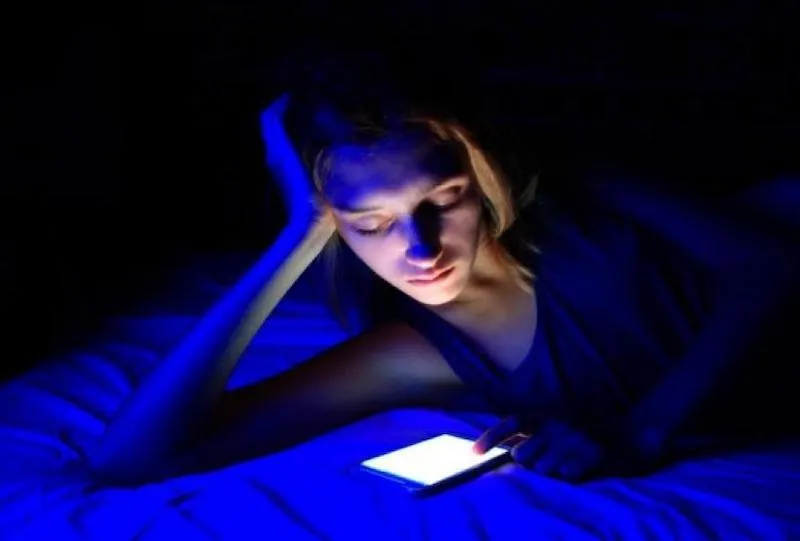
Blue light affect sleep has become an unavoidable part of modern life, especially with the widespread use of smartphones, computers, and LED lights. Although it plays an important role in regulating daytime alertness, excessive exposure to blue light at night can disrupt sleep and overall health.
1. What Is Blue Light?
Blue light is a type of visible light within the electromagnetic spectrum, carrying relatively high energy. It is naturally present in sunlight and artificially emitted by many modern lighting sources.
Key characteristics of blue light:
- Part of the visible light spectrum
- High-energy wavelength
- Influences alertness, hormones, and sleep cycles
- Emitted by both natural (sunlight) and artificial sources
During the day, blue light helps keep you awake, focused, and energized.
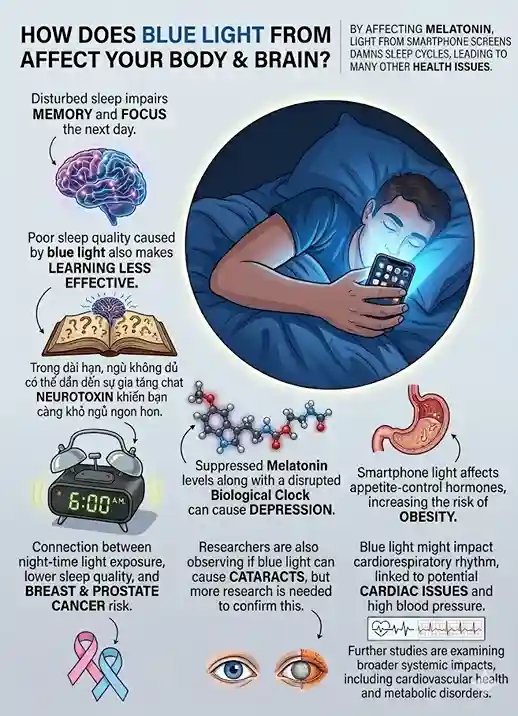
2. How Does Blue Light Affect Circadian Rhythms?
Your circadian rhythm is a natural 24-hour internal clock that regulates sleep and wake cycles. Blue light affect sleep — especially blue light — plays a major role in keeping this rhythm aligned.
2.1. Positive Effects During the Day
- Increases alertness and concentration
- Raises heart rate and body temperature
- Enhances performance and reaction time
2.2. Negative Effects at Night
- Suppresses melatonin (sleep hormone)
- Tricks the brain into thinking it’s still daytime
- Delays sleep onset and reduces sleep quality
Exposure to blue light before bedtime can lead to:
- Difficulty falling asleep
- Shorter sleep duration
- Poor sleep quality
- Increased fatigue the next day
Long-term disruption of circadian rhythms may also contribute to metabolic issues and mental health conditions like stress or depression.
3. What Devices Emit Blue Light?
Blue light is commonly emitted by both lighting and digital devices we use daily:
- Smartphones
- Computers and laptops
- Tablets and e-readers
- Televisions
- LED lights
- Fluorescent lighting
- Gaming consoles
Many people use these devices within an hour before bedtime, which significantly increases the risk of sleep disruption.
4. Mitigating the Effects of Blue Light
Reducing blue light exposure at night is one of the simplest ways to improve sleep quality.
4.1. Limit Screen Time Before Bed
Turn off electronic devices 2–3 hours before bedtime whenever possible.
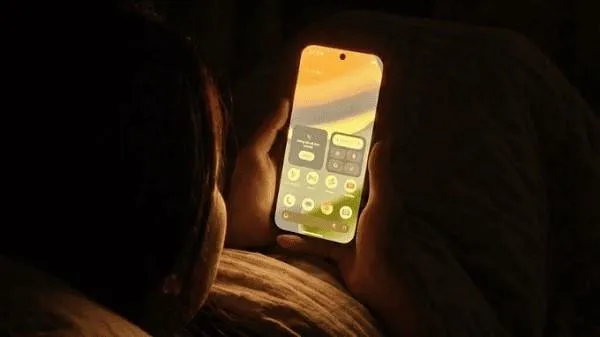
4.2. Use Night Mode or Dim Screens
Activate “night mode” or reduce brightness to minimize blue light emission.
4.3. Switch to Warm Lighting
Use red, orange, or warm-toned lights instead of bright white LED lights in the evening.
4.4. Try Blue Light Blocking Glasses
Special glasses with amber lenses can help reduce melatonin suppression.
4.5. Improve Your Sleep Environment
- Keep your bedroom dark
- Use blackout curtains or an eye mask
- Eliminate unnecessary light sources
4.6. Build a Healthy Night Routine
Set reminders to disconnect from devices and allow your body to naturally prepare for sleep.
5. Conclusion
Blue light is not inherently harmful — in fact, it’s essential for maintaining healthy daytime alertness and performance. However, in today’s digital world, overexposure at blue light affect sleep interfere with your body’s natural sleep cycle.
If you struggle with sleep, a simple habit like reducing screen time in the evening could make a powerful difference.
Better sleep may start with one small change: less blue light at night.