
Milk is widely known as a nutrient-rich food that supports bone health and overall wellness. However, when it comes to arthritis and joint health, the effects of milk harm arthritis are more complex.
Some studies show benefits, while others suggest potential drawbacks—depending on the type of arthritis and individual responsen milk harm arthritis
1. Milk: Pros and Cons
1.1. Benefits of Milk
- Supports bone strength with calcium and vitamin D
- May reduce risk of:
- Type 2 diabetes
- Heart disease
- High blood pressure
- Improves body composition and growth in children

1.2. Potential Downsides
- High-fat dairy may increase bad cholesterol harm arthritis
- Concerns about hormones (though no strong human evidence)
- May trigger inflammation in sensitive individuals
2. Milk Nutrition Facts
Milk is considered a complete food, providing most essential nutrients, including:
- Calcium
- Protein
- Vitamin D
- Vitamin B12
- Potassium
- Magnesium
- Zinc
These nutrients are crucial for bone health and muscle function.
3. Milk harm Arthritis: What Does Science Say?
3.1. Rheumatoid Arthritis (RA)
Rheumatoid arthritis is an autoimmune condition causing joint inflammation.
Research insights:
- Possible link between RA and a bacteria (MAP) found in milk
- No conclusive evidence that dairy directly causes RA
Some people with RA may experience worsened symptoms after consuming dairy.
3.2. Osteoarthritis
Osteoarthritis is caused by wear and tear of joints over time.
Findings:
- Women who drink low-fat milk regularly may experience slower disease progression
- No significant effect found in men
Milk may support joint health in certain groups.
3.3. Gout
Gout occurs due to high levels of uric acid in the body.
Benefits of milk:
- Low-fat milk helps lower uric acid levels
- May reduce gout symptoms
Dairy can be beneficial if consumed in moderation and low-fat forms.
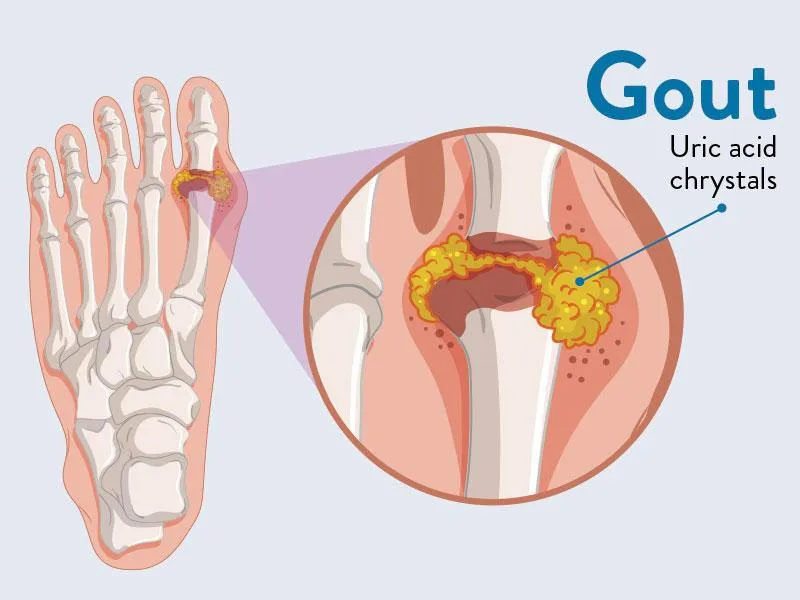
3.4. Juvenile Arthritis
In children, arthritis may affect:
- Joint development
- Growth
Some evidence suggests dairy-free or anti-inflammatory diets may reduce symptoms.
4. Does Milk Help With Hydration?
Milk contains:
- Water
- Electrolytes
- Nutrients
Studies show low-fat milk may hydrate better than water after exercise.
5. How to Know If Milk Affects You
Try an Elimination Diet
- Remove dairy for a few weeks
- Reintroduce gradually
- Monitor symptoms
Helps identify:
- Lactose intolerance
- Dairy sensitivity
6. Best Milk Alternatives for Arthritis
If milk causes discomfort, try:
- Almond milk
- Soy milk
- Oat milk
- Rice milk
- Cashew milk
Other calcium-rich foods:
- Chickpeas
- Kale
- Collard greens
7. Side Effects and Risks
- High dairy intake may increase:
- Inflammation
- Acne
- Risk of certain cancers (in some studies)
- High-fat dairy linked to:
- Dementia risk
- Poor heart health
Choose low-fat or moderate intake for better health.
8. Conclusion: Should You Drink Milk If You Have Arthritis?
Milk is not inherently bad for arthritis, but its effects vary depending on:
- The type of arthritis
- Your body’s response
- The type of milk consumed
Best advice:
- Choose low-fat dairy
- Monitor your body’s reaction
- Maintain a balanced diet