
Eating healthy eating habits with low cost on a budget is often seen as difficult — but with the right strategies, it’s absolutely achievable. While some nutritious foods may seem more expensive upfront, research shows that a healthy eating habits with low costslightly more — about $1.48 extra per day.
1. Why Healthy Eating Doesn’t Have to Be Expensive And Etating Habits With Low Cost
Many people believe that processed foods are cheaper than fresh, whole foods. Although this is sometimes true, healthy eating habits that prioritize low-cost foods to give us a sense of fullness from nutritious foods often make them more cost-effective.
Healthy eating becomes affordable when you:
- Plan meals ahead
- Reduce food waste
- Choose nutrient-dense, filling foods
- Buy strategically
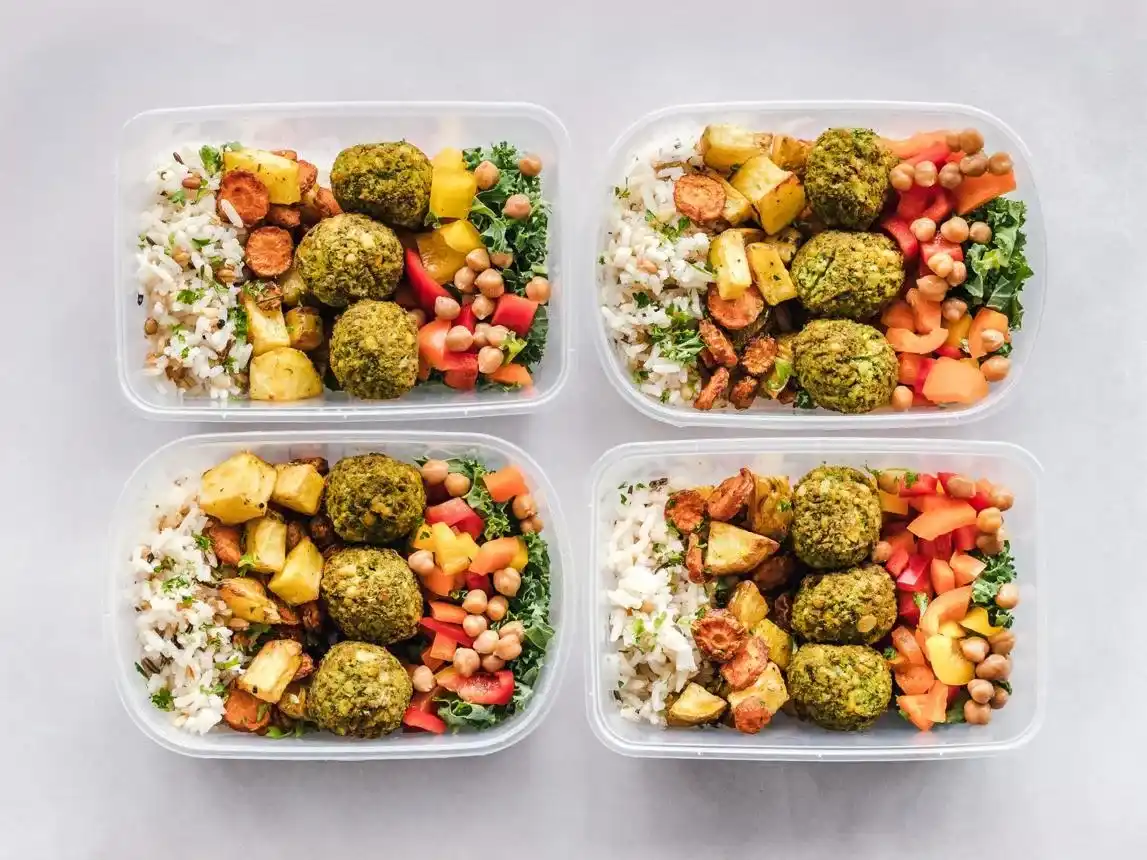
2. Smart Supermarket Savings Tips
Saving money at the supermarket isn’t just about buying the cheapest items — it’s about shopping smarter.
2.1. Plan Meals and Make a Shopping List
Create a weekly meal plan and shop only for what you need to avoid impulse purchases.
2.2. Don’t Shop When Hungry
Shopping on an empty stomach often leads to overspending on unnecessary snacks.
2.3. Choose Plant-Based Proteins
Beans, lentils, and tofu are cheaper and highly nutritious alternatives to meat and fish.
2.4. Buy in Bulk
Staples like rice, oats, lentils, and dried beans are more affordable per unit when bought in larger quantities.
2.5. Compare Price Per Unit
Check cost per kilogram or pound to find the best value.
2.6. Choose Store Brands
Generic or store-brand items often contain similar ingredients at a lower price.
2.7. Look for Discounts and Seasonal Produce
Discounted fruits and vegetables can be just as nutritious if used quickly.
2.8. Avoid Food Waste
Only buy what you can use within a week unless you plan to freeze it.
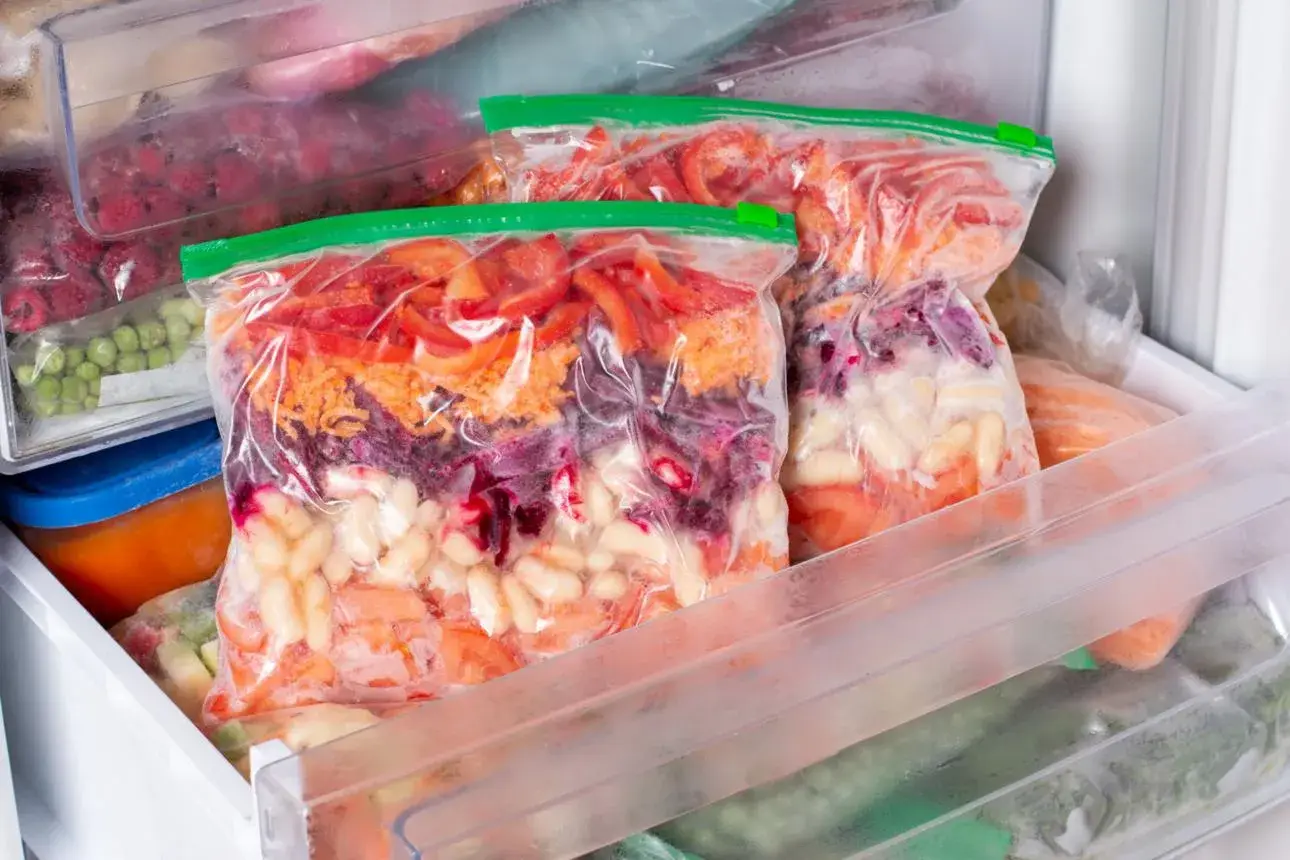
3. Reduce Food Waste and Maximize Ingredients
Reducing food waste is one of the most effective ways to save money and healthy etating habits with low cost
Practical Tips:
- Freeze fresh produce like berries, broccoli, and bananas
- Store herbs properly or freeze them in olive oil
- Regrow green onions in water
- Use leftovers creatively in new meals
- Take inventory of your kitchen regularly
These habits help you stretch your food budget and reduce unnecessary spending.
4. Choose Nutritious and Affordable Staples
A healthy etating habits with low cost, budget-friendly diet includes a mix of fresh and minimally processed foods.
Affordable Healthy Staples:
- Whole grains (brown rice, oats, quinoa)
- Dried or canned beans and lentils
- Frozen fruits and vegetables
- Canned fish (tuna, sardines)
- Seasonal fresh produce
Tip: Choose canned or frozen foods without added sugar, salt, or preservatives.
5. Build Filling and Satisfying Meals
Foods that keep you full longer can help reduce overall food costs.
Examples:
- Rice + lentils + vegetables
- Oats + fruit + nuts
- Beans + whole grains + greens
These meals are:
- Affordable
- Nutrient-dense
- Filling and satisfying
6. Practice Mindful Eating Eating Habits With Low Cost
Mindful eating can help you:
- Enjoy meals more
- Feel satisfied with smaller portions
- Avoid overeating
Eating while distracted (like watching TV) can lead to higher food intake and increased expenses.

7. Conclusion
Healthy ating habits with low costs do not necessarily have to be expensive. With smart planning, strategic shopping, and simple habits, you can enjoy nutritious healthy etating habits with low cost, satisfying without spending too much.
The key is not just to spend less — but to spend smarter.