
Music is more than entertainment—it is a music as a natural medicine powerful therapeutic tool that can improve both physical and mental health. From reducing stress to enhancing emotional well-being, music therapy is increasingly recognized as a form of music as a natural medicine.
Modern research shows that music can help people cope with illness, manage symptoms, and improve quality of life. Whether through listening, singing, or playing an instrument, music connects deeply with the human brain and body.
1. What Is Music Therapy?
Music therapy is a personalized, evidence-based treatment that uses music to support healing and well-being.
Unlike simply listening to music, music therapy involves:
- Singing or songwriting
- Playing instruments
- Guided listening
- Movement to music
Each session is tailored to individual needs and health goals.
✔ No musical experience is required—just a willingness to engage

2. How Music Affects the Brain and Body
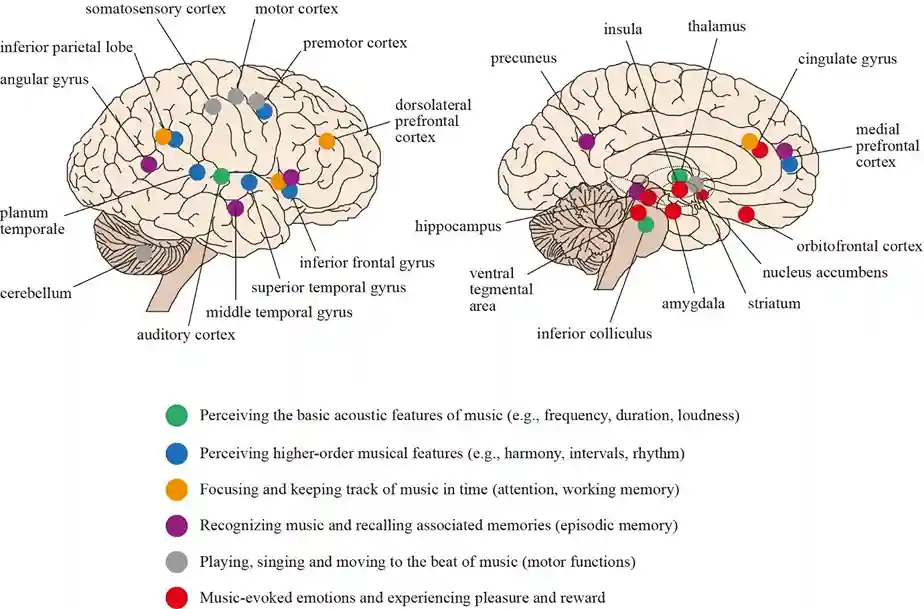
Music has a direct impact on the brain, especially the limbic system, which controls emotions and memory.
Key effects include:
- Slowing heart rate and breathing
- Reducing stress hormones
- Triggering positive emotions
- Improving focus and attention
Music helps shift the brain from anxiety to relaxation
3. Proven Health Benefits of Music Therapy
Research shows that music therapy can:
3.1. Reduce Stress and Anxiety
- Calms the nervous system
- Helps patients relax during medical treatments
3.2. Relieve Pain
- Distracts from discomfort
- Enhances pain management strategies
3.3. Improve Sleep Quality
- Promotes deeper and more restful sleep
3.4. Boost Focus and Cognitive Function
- Enhances memory and attention
✔ Music therapy is widely used in hospitals, rehabilitation centers, and mental health care
4. Music Therapy for Specific Health Conditions
Music therapy supports a wide range of conditions:
- Alzheimer’s disease: improves memory and orientation
- Depression: restores energy and emotional balance
- Cancer patients: reduces treatment-related stress
- Mental health disorders: enhances mood and coping skills
Music brings comfort, connection, and emotional healing
5. Personalized Approach to Healing
One of the biggest strengths of music therapy is its individualized approach.
Therapists assess:
- Personal music preferences
- Emotional state
- Health conditions
Then they design a plan to help patients:
- Feel better
- Cope with challenges
- Recover more effectively
✔ Music meets you where you are—physically and emotionally
6. Music Therapy vs. Music Medicine
It’s important to distinguish between two concepts:
- Music medicine: passive listening (e.g., headphones during treatment)
- Music therapy: active, guided, and personalized intervention
Both are helpful, but music therapy provides deeper and longer-lasting benefits
7. How to Start Using Music as Medicine
You don’t need to wait for a prescription to benefit from music.
Simple ways to start:
- Listen to calming music daily
- Learn an easy instrument like the ukulele
- Join a music therapy program
- Use music during relaxation or meditation
The key is to find what resonates with you
8. Key Takeaways
- Music is a powerful tool for healing and well-being
- Music therapy improves both physical and mental health
- It helps reduce stress, pain, and anxiety
- Anyone can benefit—no musical skills required
9. Conclusion
Music therapy shows how art and science work together to improve health. It connects people to a sense of calm, joy, and inner strength—even during difficult times.
Whether you are managing a health condition or simply seeking balance in life, music as a natural medicinecan be a safe, accessible, and effective form of healing.
Start today—because sometimes, the right melody is the medicine you need.