
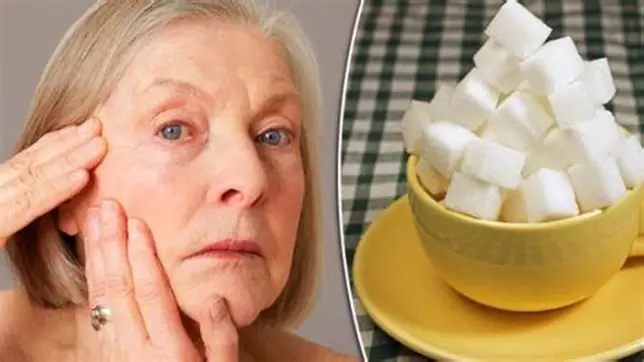
A growing body of research suggests that your daily sugar intake may be doing more than just affecting your weight—it could also be speeding up how quickly your body ages at the cellular level. A new study highlights how diets high in added sugar may contribute to faster biological aging, while nutrient-rich diets may help keep your cells “younger.”
1. What the Study Found
According to research published in JAMA Network Open, women who consumed diets rich in vitamins, minerals, and antioxidants showed signs of younger biological age compared to those with less nutritious diets.
However, there was a key finding:
Even among otherwise healthy eaters, higher intake of added sugar was linked to accelerated cellular aging.

2. What Is Cellular Aging?
Cellular aging refers to how quickly your cells deteriorate over time. Scientists measure this using markers on DNA, including epigenetic modification.
These changes are influenced by lifestyle factors such as:
- Diet
- Stress
- Sleep
- Physical activity
Over time, harmful habits—like consuming too much sugar—can speed up this process.
3. How Sugar Affects Your Cells
Added sugars (found in soft drinks, desserts, and processed foods) may negatively impact your body in several ways:
- Disrupt metabolic health
- Increase inflammation
- Interfere with gene regulation
- Accelerate epigenetic aging
Unlike natural sugars in fruits and milk, added sugars provide calories without essential nutrients, making them particularly harmful when consumed in excess.
4. Key Findings From the Research
The study analyzed dietary data from over 300 middle-aged women and found:
- Nutrient-dense diets were linked to slower aging
- High sugar intake reduced these protective effects
- Even small increases in added sugar correlated with faster aging markers
The research is among the first to directly link sugar consumption with biological aging at the DNA level.
5. The Role of a Healthy Diet
Diets that support longevity include:
5.1. Mediterranean Diet
The Mediterranean diet emphasizes:
- Fruits and vegetables
- Whole grains
- Healthy fats (like olive oil)
- Low added sugar
5.2. Alternative Healthy Eating Index
This approach focuses on foods known to reduce chronic disease risk, including:
- Nuts and legumes
- Lean proteins
- Antioxidant-rich foods
Both dietary patterns were associated with slower cellular aging in the study.
6. Why This Matters
Excess sugar consumption has long been linked to conditions like obesity, diabetes, and heart disease. Now, scientists believe it may also:
- Shorten lifespan
- Speed up aging at a cellular level
- Reduce overall health and vitality
As noted by researchers, limiting added sugar may be one of the most effective ways to support long-term health.
7. How to Reduce Added Sugar
Simple steps to protect your cells:
- Cut back on sugary drinks
- Choose whole foods over processed snacks
- Read nutrition labels carefully
- Replace desserts with fruit
- Cook more meals at home
Even small changes can make a meaningful difference over time.
8. FAQs
Does sugar really make you age faster?
Yes, studies suggest high sugar intake may accelerate cellular aging through epigenetic changes.
What foods help slow aging?
Fruits, vegetables, whole grains, and healthy fats are linked to slower aging.
Is natural sugar harmful?
Natural sugars in whole foods are generally safe because they come with fiber and nutrients.
9. Conclusion
The latest research reinforces a powerful message: what you eat directly impacts how your body ages. While nutrient-rich diets can help maintain youthful cells, excessive sugar intake may accelerate the aging process from within.
By reducing added sugars and prioritizing whole, nutrient-dense foods, you can support healthier aging and long-term well-being.