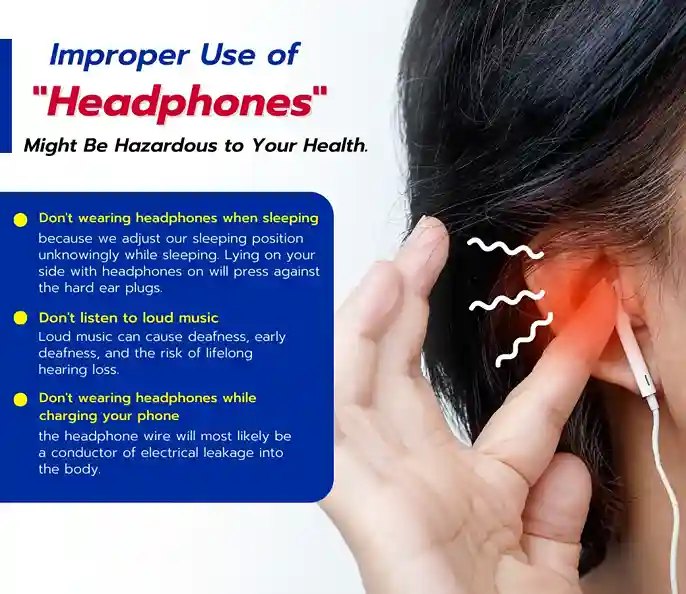
Headphones have become an essential part of modern life—from work calls and gaming to music and streaming. While they offer convenience and immersive sound, prolonged headphone use can pose serious risks to your hearing, brain function, and overall well-being.
Many of these effects develop gradually, making them easy to ignore until the damage becomes permanent. Below, we explore the hidden dangers and how to protect yourself.
1. Gradual Hearing Loss That Goes Unnoticed
One of the most common consequences of excessive headphone use is hearing damage from headphones, which often develops silently over time.
1.1. How It Happens
- Listening at high volumes causes a temporary reduction in hearing sensitivity.
- Repeated exposure leads to permanent damage to inner ear structures.
1.2. Warning Signs
- Increasing volume levels over time
- Muffled hearing after use
- Difficulty understanding speech in noisy environments

2. Increased Risk of Tinnitus
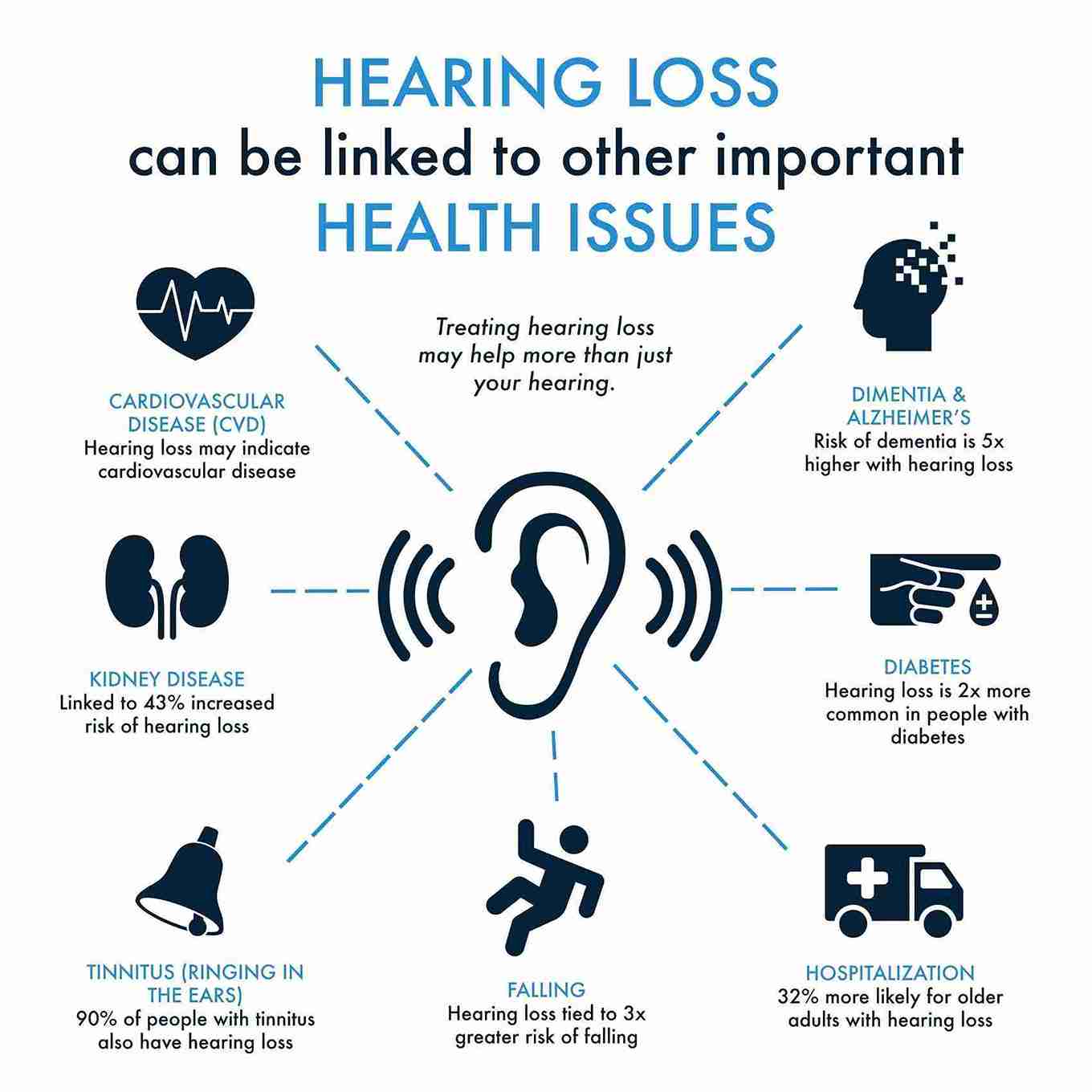
Tinnitus, commonly described as ringing in the ears, is no longer limited to older adults. It is increasingly affecting younger headphone users.
2.1. Causes
- Damage to inner ear hair cells from loud sounds
- Continuous exposure to high-decibel audio
2.2. Effects
- Persistent ringing or buzzing
- Sleep disturbances and fatigue
- Increased stress and anxiety
Ignoring early symptoms can lead to permanent tinnitus.
3. Impact on Brain Function and Cognitive Health
Excessive headphone use doesn’t just harm your ears—it can also affect your brain.
- The brain must work harder to process loud and continuous audio input
- This strain can lead to mental fatigue, poor concentration, and memory issues
- Long-term exposure may contribute to cognitive decline
If you feel mentally drained after long listening sessions, your brain may be overloaded.
4. Increased Sensitivity to Sound (Hyperacusis)
Overuse of headphones can make everyday sounds feel uncomfortably loud.
4.1. How It Happens
- The brain becomes overly sensitive to sound due to constant exposure
4.2. Effects
- Normal noises (traffic, conversations) feel painful
- Reduced tolerance to everyday environments
Hyperacusis can be difficult to reverse, making prevention critical.
5. Ear Infections and Skin Irritation
Headphones—especially earbuds—can trap moisture and bacteria.
5.1. Risks
- Bacterial growth leading to ear infections
- Acne and skin irritation from sweat buildup
5.2. Prevention Tips
- Clean headphones regularly
- Avoid sharing earbuds
- Take breaks to let ears breathe
6. Increased Risk of Balance Issues
The inner ear plays a key role in maintaining balance, and excessive noise exposure can disrupt this system.
6.1. Symptoms
- Dizziness or lightheadedness
- Occasional vertigo
6.2. Risks
- Higher chance of falls or accidents
- Reduced spatial awareness while walking or cycling
7. Psychological Dependence on Headphones
Many people rely on headphones to block out stress or distractions, but this can lead to dependency.
Signs
- Feeling anxious without headphones
- Difficulty concentrating in silence
- Avoidance of social interactions
Balancing headphone use with real-world engagement is essential for mental health.
8. Hidden Risks of Modern Headphone Technologies
8.1. Bone Conduction Headphones
- Transmit sound through skull vibrations
- May cause auditory fatigue over time
8.2. Noise-Canceling Headphones
- Reduce environmental awareness
- Can create pressure in the ears
- Increase risk of accidents in public spaces
Even “safer” alternatives should be used in moderation.
9. How to Protect Yourself from Headphone Damage
- Follow the 60/60 rule: listen at 60% volume for no more than 60 minutes at a time
- Use noise-canceling headphones wisely to avoid raising volume
- Take regular listening breaks
- Keep devices clean to prevent infections
- Pay attention to early warning signs like ringing or discomfort
10. Conclusion
While headphones are an indispensable part of daily life, prolonged headphone use can lead to serious health issues—from hearing loss and tinnitus to cognitive strain and psychological dependence.
By understanding these hidden risks and adopting healthier listening habits, you can protect your ears, brain, and overall well-being—without giving up the convenience of your favorite audio experiences.