
Milk is one of the most nutritionally complete foods in the human diet, providing a balanced combination of macronutrients and micronutrients essential for growth, development, and overall health. While proteins, fats, and carbohydrates supply energy, micronutrients—vitamins and minerals—play critical roles in metabolic processes, immune function, and disease prevention.
The composition of milk varies significantly depending on the animal species, diet, and environmental factors. Understanding the milk role of these micronutrients helps highlight why milk remains a key component of a healthy diet worldwide.
1. Key Micronutrients in Milk
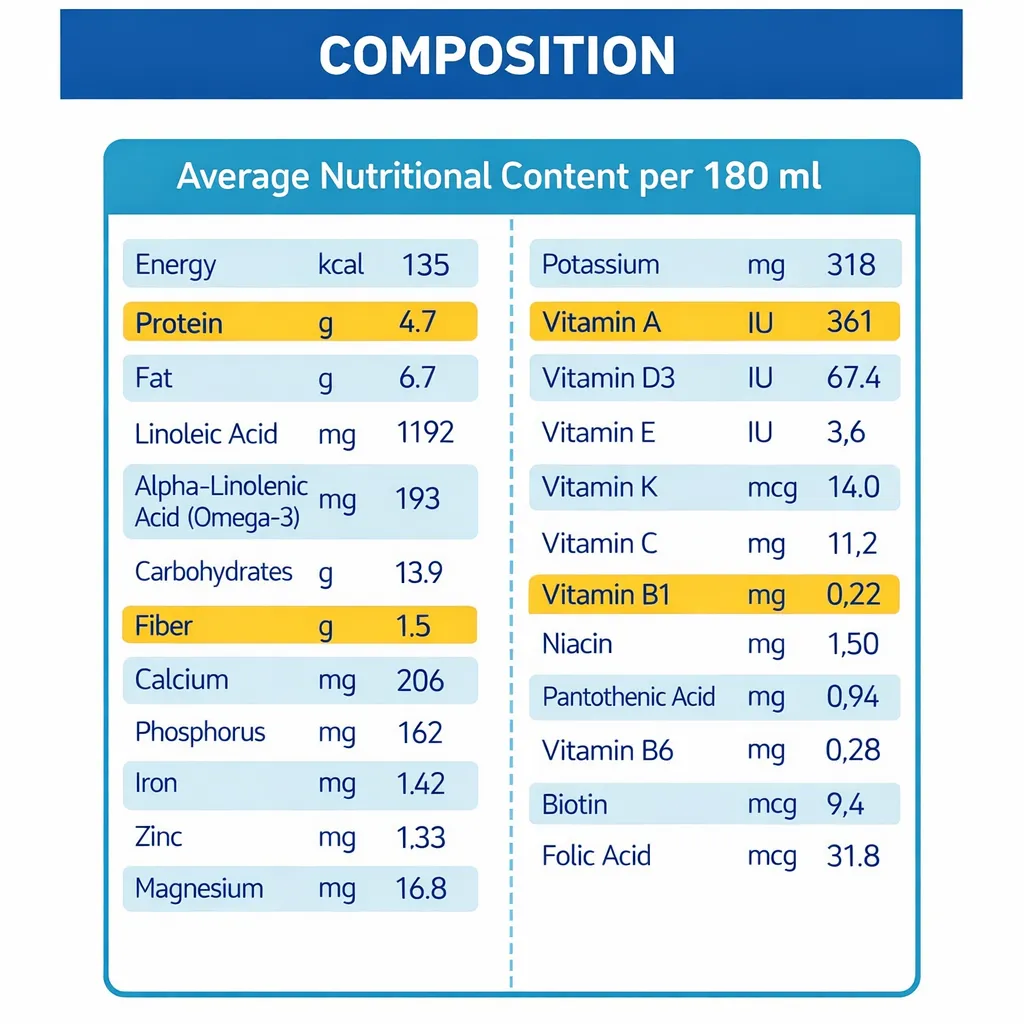
1.1. Essential Minerals in Milk
Milk is a rich source of vital minerals that support multiple physiological functions:
- Calcium (Ca): Supports bone formation, nerve transmission, and muscle contraction
- Phosphorus (P): Works with calcium to strengthen bones and teeth
- Magnesium (Mg): Important for enzyme activity and muscle function
- Potassium (K): Helps regulate fluid balance and blood pressure
- Sodium (Na): Maintains electrolyte balance
- Selenium (Se): Acts as an antioxidant and supports immune health
- Iodine (I): Essential for thyroid hormone production
Among these, calcium is the most abundant and bioavailable mineral in milk, making dairy products a primary dietary source for bone health.

1.2. Vitamins Found in Milk
Milk contains both fat-soluble and water-soluble vitamins, each contributing to different biological functions:
1.2.1. Fat-Soluble Vitamins
- Vitamin A: Supports vision, immunity, and skin health
- Vitamin D: Enhances calcium absorption and bone health
- Vitamin E: Protects cells from oxidative damage
- Vitamin K: Plays a role in blood clotting and bone metabolism
1.2.2. Water-Soluble Vitamins
- Vitamin B Complex (B1, B2, B3, B6, B9, B12): Supports energy metabolism, brain function, and red blood cell production
- Vitamin C: Functions as an antioxidant (though present in low amounts in milk)
Milk is particularly rich in vitamin B2 (riboflavin) and vitamin B12, especially in ruminant milk like cow and sheep milk.
2. Health Benefits of Milk Micronutrients
2.1. Bone Health and Development
Calcium and vitamin D work synergistically to:
- Build strong bones and teeth
- Prevent osteoporosis and fractures
- Support skeletal growth in children
2.2. Supports the immune system in milk
Micronutrients such as vitamin A, selenium, and zinc-related compounds help:
- Strengthen immune defenses
- Reduce inflammation
- Protect against infections
2.3. Cardiovascular and Metabolic Health
- Potassium helps regulate blood pressure
- Vitamin D supports heart health
- Selenium reduces oxidative stress
2.4. Brain Function and Nervous System
B vitamins play a crucial role in:
- Neurotransmitter production
- Cognitive function
- Prevention of neurological disorders
3. Differences in Milk Composition by Animal Species
The micronutrient profile of milk varies depending on its source:
- Cow milk: High in calcium and vitamin B12
- Sheep and goat milk: Richer in minerals and B vitamins
- Human milk: Higher in vitamin A and vitamin E
- Donkey milk: Contains beneficial bioactive compounds and certain vitamins
These differences make each type of milk unique in nutritional value.
4. Milk Fortification: Enhancing Nutritional Value
To address global micronutrient deficiencies, milk is often fortified with essential nutrients, including:
- Vitamin D (common in many countries)
- Vitamin A (especially in low-fat milk)
- Calcium and iron (in specialized products)
Food fortification is a cost-effective public health strategy to prevent malnutrition, particularly in vulnerable populations such as children and pregnant women.
5. Impact of Processing on Milk Nutrients
Modern processing methods like pasteurization and UHT treatment:
- Have minimal impact on most minerals
- Slightly reduce some vitamins (e.g., B1, B12, and C)
- Preserve fat-soluble vitamins relatively well
Overall, processed milk remains a valuable source of micronutrients.
6. Potential Risks of Micronutrient Deficiency
A lack of essential micronutrients from milk can lead to:
- Weak bones and osteoporosis (calcium, vitamin D deficiency)
- Anemia (vitamin B12 deficiency)
- Thyroid disorders (iodine deficiency)
- Impaired immunity (vitamin A, selenium deficiency)

7. FAQs About Milk Micronutrients
7.1. Why are micronutrients in milk important?
Micronutrients support essential body functions such as metabolism, immunity, bone health, and brain activity, even though they are needed in small amounts.
7.2. Which type of milk is the most nutritious?
It depends on nutritional needs. Sheep and goat milk are richer in minerals, while cow milk is widely available and balanced. Human milk is ideal for infants.
7.3. Is fortified milk better than regular milk?
Fortified milk can be more beneficial, especially for individuals at risk of deficiencies, as it contains added nutrients like vitamin D and calcium.
7.4. Does processing destroy milk nutrients?
Most nutrients remain stable, although some vitamins may decrease slightly during heat treatment.
7.5. Can milk help prevent diseases?
Yes. Regular consumption of milk can help reduce the risk of osteoporosis, support immune function, and contribute to overall health.
8. Conclusion
Milk is a highly valuable food due to its rich content of essential vitamins and minerals that support human health at every stage of life. Although present in small amounts, these micronutrients play critical roles in maintaining physiological balance, preventing disease, and supporting growth and development.
Differences in milk composition across animal species provide diverse nutritional benefits, while fortification strategies help address global deficiencies. As research continues, enhancing milk’s micronutrient profile remains a key focus for improving public health worldwide.