
Listen to your body while exercising is one of the important but often overlooked skills for long-term fitness success. Exercise creates controlled stress, and real progress only happens when that stress is balanced with recovery, hydration, nutrition, and proper rest.
Scientific research shows that ignoring the signs of listening to your body’s warnings, such as persistent pain, fatigue, or decreased performance, can increase the risk of injury and exhaustion. Conversely, those with good body awareness who listen to their bodies tend to exercise more regularly and maintain fitness over time.
Sustainable fitness is not about pushing through everything — it’s about knowing when to push, when to pause, and when to adjust.
1. Why Is It Important to Listen to Your Body?
Listening to your body helps regulate training intensity and prevents long-term setbacks.
- Reduces risk of overtraining and injuries
- Supports hormonal balance and nervous system health
- Improves performance and recovery speed
- Promotes long-term consistency in fitness routines
Ignoring body signals such as pain or extreme fatigue can lead to overuse injuries and disrupt your progress for many weeks or even months. Therefore, you need to listen to your body.

2. Important Ways to Listen to Your Body While Exercising
Developing body awareness takes time, but these proven strategies can help you train smarter and safer.
2.1. Pay Attention to Pain
The phrase “no pain, no gain” is often misunderstood.
- Good pain: Mild soreness after workouts (DOMS) is normal
- Bad pain: Sharp, unusual, or persistent pain may signal injury
Warning signs to watch:
- Pain in the back or abdomen
- Discomfort that feels “off” or unfamiliar
- Pain that worsens after exercise
If something doesn’t feel right, stop and consult a healthcare professional. It’s always better to prevent injuries early.
2.2. Focus on Hydration
Proper hydration is critical for performance and safety.
Dehydration can cause:
- Muscle cramps
- Fatigue and dizziness
- Reduced focus and endurance
Hydration tips:
- Carry a water bottle throughout the day
- Drink before, during, and after workouts
- Set reminders to drink water regularly
- Eat water-rich foods like watermelon, cucumbers, and vegetables
Staying hydrated helps your body function efficiently during exercise.
2.3. Monitor Energy Levels and Performance
Your body constantly provides feedback through energy and performance.
Watch for:
- Decreased strength or endurance
- Lack of motivation
- Slower recovery between sets
A single bad workout is normal — but consistent decline means your body may need:
- More rest
- Better nutrition
- Reduced training intensity
Adjust your routine instead of pushing through exhaustion.
2.4. Respect Recovery and Rest Days
Recovery is where real progress happens — not during the workout.
Signs you need more recovery:
- Persistent soreness
- Increased resting heart rate
- Poor sleep quality
- Joint stiffness
Tips for better recovery:
- Prioritize 7–9 hours of sleep
- Schedule regular rest days
- Include light activities like walking or stretching
Rest allows your muscles, joints, and nervous system to rebuild stronger.
3. Pro Tip: Build Body Awareness Daily
- Warm up and check how your body feels
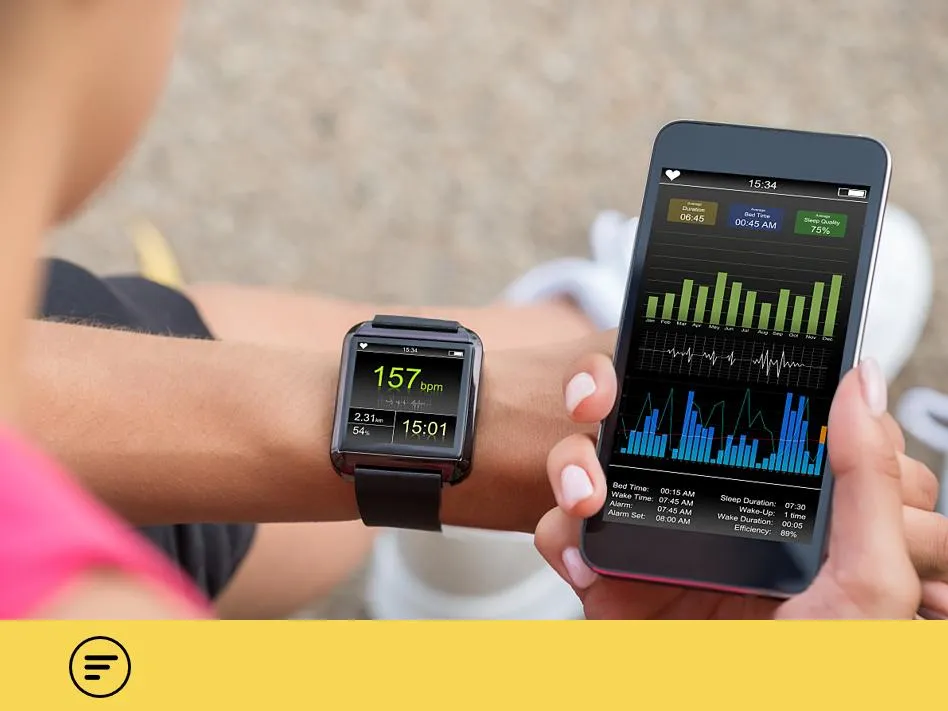
- Track your workouts and recovery
- Practice mindfulness during exercise
- Avoid comparing your progress to others
The more you pay attention, the better you understand your body’s signals.
4. Use Breathing as a Signal of Intensity
Breathing is one of the most immediate and reliable indicators of how hard your body is working during exercise.
When your breathing is:
- Steady and controlled → you are likely in a moderate, sustainable intensity zone
- Rapid but manageable → you are pushing your limits safely
- Gasping or out of control → your intensity may be too high and needs adjustment
Using breathing as a guide helps you:
- Avoid overexertion
- Maintain proper pacing
- Improve endurance and oxygen efficiency
A simple rule: if you cannot speak a full sentence without pausing for breath, you may need to reduce intensity.
5. Final Thoughts: Train Smarter, Not Harder
Listening to your body while exercising is not a weakness — it’s a smart and sustainable fitness strategy.
By respecting signals like:
Pain
Fatigue
Hydration
Recovery needs
Lítening to your body, you turn exercise into a long-term tool for health, strength, and resilience.
Over time, this approach helps you avoid injuries, improve performance, and build a healthier relationship with fitness.