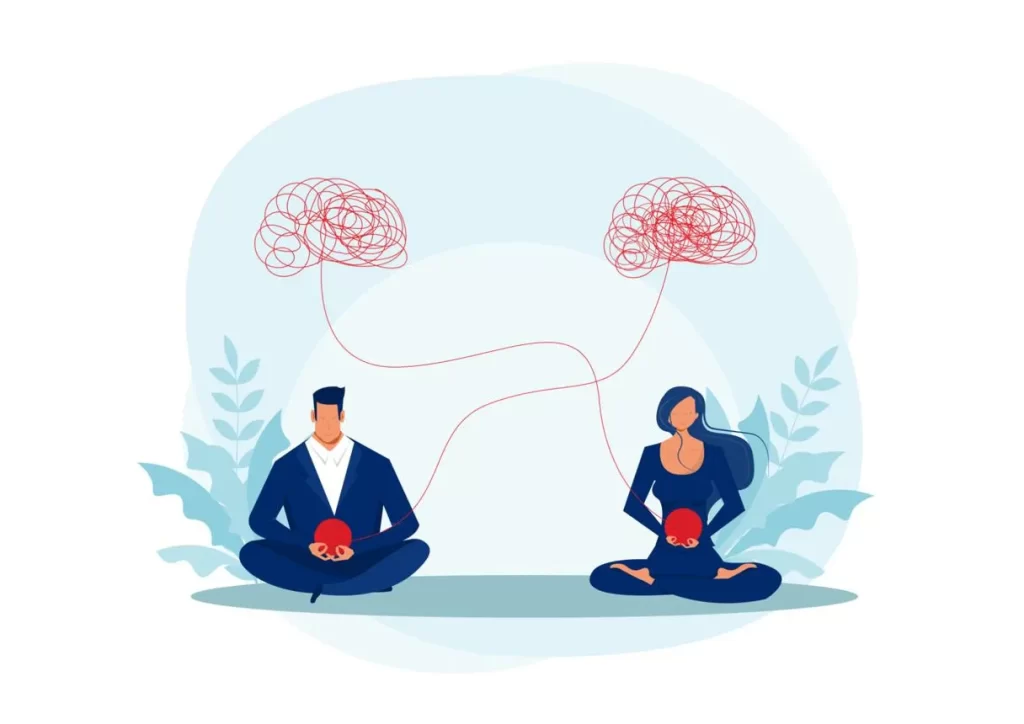
Emotional resilience is the ability to adapt, recover, and grow from stress or adversity. It can be developed through mindfulness, social support, and positive thinking.
Strong resilience improves mental health, wellbeing, and life satisfaction.
1. What Is Emotional Resilience?
Emotional resilience is the ability to bounce back from difficult experiences, remotions emotional, and maintain inner balance during stressful situations.
It is not about avoiding pain or stress — but about:
- Accepting challenges
- Managing emotions effectively
- Continuing to grow despite setbacks
The term “resilience” comes from the Latin resilio, meaning “to bounce back.”
2. Why Emotional Resilience Matters
In today’s fast-changing world — from digital pressure to work stress — emotional resilience helps you:
- Stay calm under pressure
- Recover quickly from setbacks
- Maintain motivation and focus
- Improve relationships and decision-making
Resilient people don’t avoid stress — they handle it better and grow from it.
3. Core Elements of Emotional Resilience
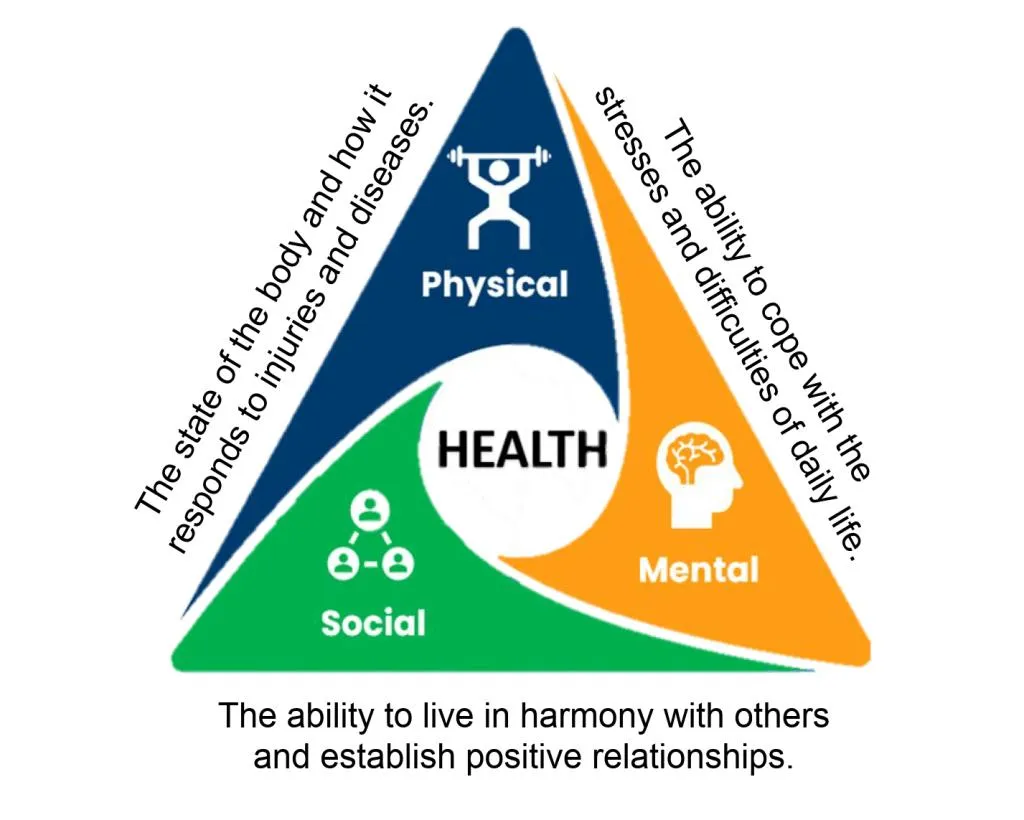
Emotional resilience is built on three key pillars:
3.1. Physical Strength
- Energy, health, and vitality
- Sleep, exercise, and nutrition
3.2. Mental & Psychological Strength
- Self-awareness and confidence
- Emotional regulation
- Focus and adaptability
3.3. Social Connections
- Relationships with family, friends, and colleagues
- Communication and support systems
These three elements work together to create a balanced and resilient life.
4. How Stress Affects Emotional Resilience
Stress is unavoidable — but how you respond to it defines your resilience.
- Poor stress management leads to anxiety and burnout
- Strong resilience helps you stay calm and recover faster
Research shows that resilient individuals:
- Learn from difficult experiences
- Maintain a positive outlook
- Avoid emotional overwhelm
5. 6 Proven Ways to Build Emotional Resilience
Here are six science-backed strategies to strengthen emotional resilience:
5.1. Practice Self-Awareness
Understand your thoughts, emotions, and triggers.
Ask yourself:
- What am I feeling?
- Why do I feel this way?
5.2. Develop Emotional Control
Learn to pause before reacting.
- Avoid impulsive decisions
- Manage negative emotions effectively
5.3. Build Strong Relationships
Social support is essential.
- Connect with trusted people
- Share experiences and emotions
5.4. Cultivate Flexible Thinking
Adapt to change with an open mindset.
- Accept uncertainty
- Focus on solutions instead of problems
5.5. Stay Persistent
Resilience requires consistency.
- Keep trying despite setbacks
- Break goals into smaller steps
5.6. Practice Self-Compassion
Treat yourself with kindness.
- Accept imperfections
- Avoid harsh self-criticism
Self-compassion strengthens inner stability and confidence.
6. Emotional Resilience in Daily Life
6.1. At Work
- Handle pressure and deadlines effectively
- Improve teamwork and leadership
6.2. In Relationships
- Communicate better
- Resolve conflicts calmly
6.3. In Personal Growth
- Build confidence
- Develop a positive mindset
7. Expert Insights: Dr. Harry Barry
Dr. Harry Barry, a CBT expert, highlights three key areas for building resilience:
7.1. Personal Skills
- Self-acceptance
- Emotional regulation
- Problem-solving
7.2. Social Skills
- Empathy
- Communication
- Relationship building
7.3. Life Skills
- Stress management
- Work-life balance
- Adaptability
His approach shows that resilience can be learned and strengthened over time.
8. Conclusion
Emotional resilience is not something you either have or don’t — it is a skill you can build over time. By developing self-awareness, strengthening relationships, and managing stress effectively, you can become more adaptable, confident, and mentally strong.
Life will always bring challenges — resilience helps you rise stronger every time.