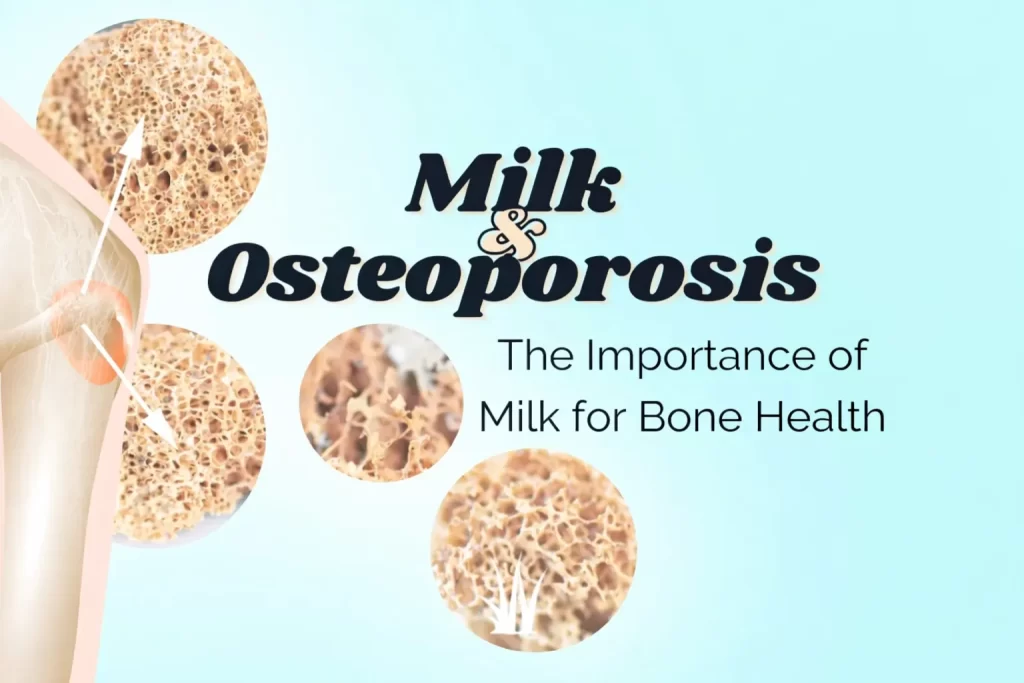
Milk has long been considered a key dietary component for maintaining strong bones. Rich in essential nutrients like calcium, protein, phosphorus, and often fortified with vitamin D, milk plays a vital role in bone metabolism. However, its effects on bone health remain debated due to concerns about D-galactose and potential long-term risks.
This article explores findings from a comprehensive meta-analysis of randomized controlled trials (RCTs) examining the impact of milk supplementation on bone health indices in adults.
1. What Was Studied?
This meta-analysis included 20 randomized controlled trials involving adult participants. Researchers evaluated the effects of milk supplementation on:
- Bone Mineral Density (BMD)
- Bone turnover markers
- Hormonal indicators related to bone metabolism
The duration of studies ranged from 1 month to 36 months, providing both short- and long-term insights.
2. Key Findings
2.1. Milk Slightly Improves Bone Mineral Density
Milk supplementation showed a small but statistically significant increase in:
- Hip BMD
- Lumbar spine BMD
However, no significant changes were observed in:
- Whole-body BMD
- Femoral neck BMD
This suggests milk may support bone strength in specific areas but has limited overall impact.
2.2. Reduction in Bone Turnover Markers
Milk intake was associated with decreased levels of key bone turnover markers:
- Reduced P1NP, CTx, and NTx
- No significant change in osteocalcin and BALP
Lower bone turnover may indicate slower bone loss, especially beneficial for aging populations.
2.3. Positive Effects on Hormonal Balance
Milk supplementation influenced several hormones linked to bone health:
- Decreased parathyroid hormone (PTH)
- Increased insulin-like growth factor 1 (IGF-1)
- Increased 25-hydroxyvitamin D [25(OH)D] (with fortified milk)
These changes support improved calcium balance and bone metabolism.
3. How Does Milk Support Bone Health?
Milk may benefit bones through multiple mechanisms:
3.1. Calcium–Vitamin D–PTH Axis
- Calcium intake increases → PTH decreases
- Lower PTH → reduced bone resorption
- Vitamin D improves calcium absorption
3.2. Bone Remodeling Regulation
- Reduced bone resorption markers → slower bone breakdown
- Balanced remodeling → improved bone stability
3.3. IGF-1 and Growth Hormone Pathway
- Increased IGF-1 → supports bone formation and maintenance
- Protein in milk enhances anabolic processes
4. Does Milk Prevent Bone Loss?
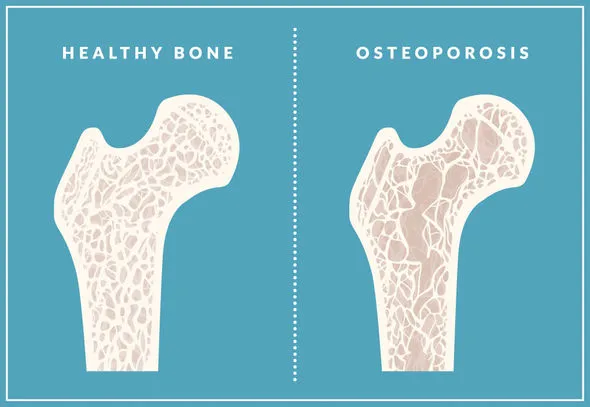
The findings suggest that milk supplementation may help prevent bone loss, especially by:
- Stabilizing bone remodeling
- Improving hormonal balance
- Enhancing calcium intake
However, the magnitude of benefit is modest, and milk alone is not sufficient for optimal bone health.
5. Important Considerations
5.1. Calcium Intake Matters
Greater benefits were observed when milk provided:
- ≥1000 mg calcium/day
Lower calcium intake showed less consistent results.
5.2. Population Differences
Most studies involved:
- Postmenopausal women
- Asian populations with low baseline calcium intake
Results may vary in other populations.
5.3. Duration of Intake
Bone health improvements require long-term, consistent intake. Benefits may disappear if supplementation stops.
5.4. Limitations of the Study
- High variability among trials
- Limited subgroup analysis
- BMD is a surrogate marker (not fracture risk)
6. Milk and Bone Health: Controversy Explained
Some observational studies suggest higher milk consumption may be linked to increased fracture risk, particularly in certain populations. However:
- RCT evidence does not support harmful effects
- No consistent link between milk and increased fractures
Current evidence suggests milk is safe and potentially beneficial for bone health.
7. Practical Recommendations
To support strong bones:
- Include milk or dairy products in your diet
- Ensure adequate calcium and vitamin D intake
- Engage in regular weight-bearing exercise
- Avoid smoking and excessive alcohol
Milk is helpful, but a holistic lifestyle approach is essential.
8. Conclusion
Milk supplementation in adults may provide modest benefits for bone health, including slight increases in bone mineral density and improvements in bone metabolism markers. While not a standalone solution, milk can play an important role in a comprehensive strategy to prevent bone loss.
Future large-scale and long-term studies are needed to better understand its impact on fracture risk and different populations.